

You’ve probably heard the term PPF wrap tossed around in car care circles—but what exactly is it, and why is everyone talking about it? Simply put, a paint protection film (PPF) wrap is a nearly invisible shield that guards your car’s paint from everyday hazards like rock chips, scratches, and UV damage. If you want to keep that fresh-off-the-lot shine without the constant worry of costly repairs, understanding how this advanced yet subtle technology works is a game-changer. In this guide, we’ll break down everything you need to know about PPF wraps, so you can decide if this next-level automotive armor is right for your ride. Let’s dive in!
What Exactly Is a PPF Wrap?
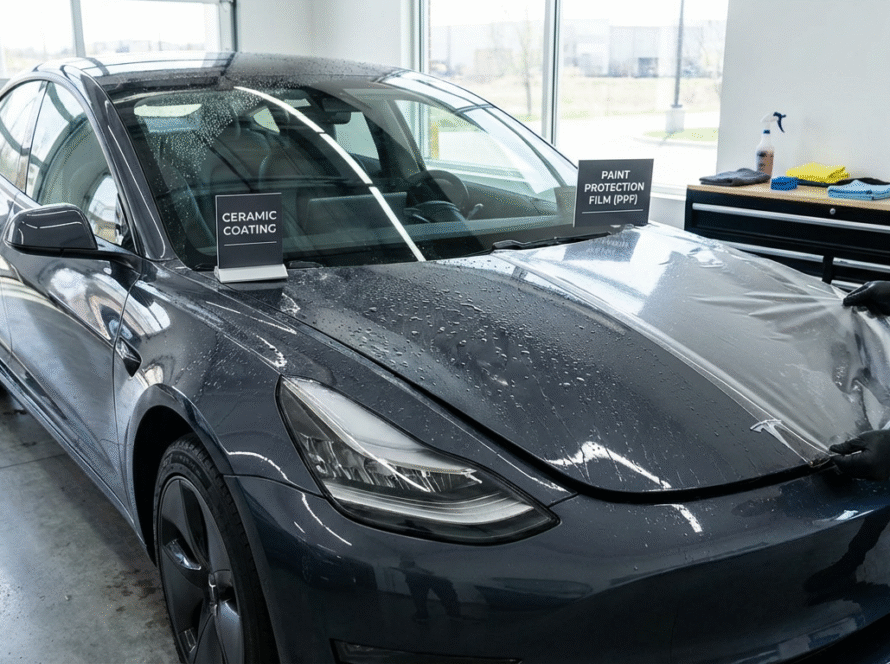
A PPF wrap, or Paint Protection Film wrap, is a transparent thermoplastic urethane film designed to shield your vehicle’s paint from damage. Think of it as a clear, invisible armor that guards against rock chips, scratches, UV rays, and everyday wear and tear. Originally developed for military and aviation use in the mid-20th century, PPF has evolved into an essential automotive paint shield favored by car enthusiasts and professionals alike.
This film is not a simple sticker; it’s a high-tech material engineered to blend seamlessly with your vehicle’s surface, preserving its factory finish without altering its appearance. Unlike vinyl wraps that change color or texture, PPF focuses purely on protection, making it the ultimate clear bra for vehicles wanting to keep their paint job flawless.
Over the years, improvements in self-healing technology and film durability have made PPF wraps widely accessible—not just for luxury cars but for everyday vehicles too. Understanding what a PPF wrap truly is helps us appreciate why it’s become a go-to solution for long-term car paint preservation.
How Does a PPF Wrap Work? The Science Behind the Protection
PPF wrap, or paint protection film, works by acting as a clear, durable shield over your car’s paint. Made from thermoplastic urethane film, it offers a tough barrier that absorbs minor impacts like rock chips and scratches, keeping your paint safe underneath. One standout feature is its self-healing property—when small scratches occur, the film’s surface warms up (from sunlight or engine heat) and smooths itself out, restoring a flawless look without any extra effort.
Beyond physical protection, a PPF wrap also guards against harmful UV rays. This UV resistant vehicle film prevents paint fading and discoloration, extending your car’s vibrant finish longer than without protection. The material’s hydrophobic coating repels water and dirt, making maintenance easier and preserving shine.
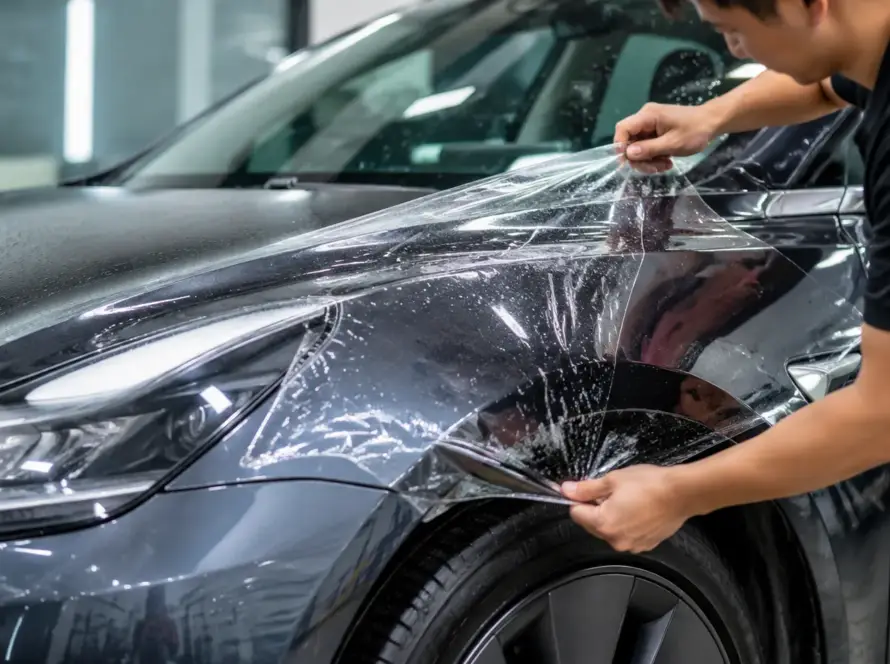
Applying a PPF wrap requires precision. The film is carefully cut and laid onto a clean, prepared surface. Experts use special tools and solutions to eliminate bubbles and ensure a smooth fit. Whether you choose full body paint protection or a partial kit, proper installation is key to maximizing the film’s lifespan and performance.
For more on the application and product options, explore KalisePPF’s clear bra for vehicles, where you’ll find detailed info on protective films designed for durability and style.
Key Benefits of Installing a PPF Wrap on Your Vehicle
Installing a PPF wrap offers several solid benefits that protect and enhance your car:
- Paint Preservation: PPF acts as an invisible shield against scratches, rock chips, and dirt, keeping your automotive paint in factory-fresh condition.
- Durability: Made from tough thermoplastic urethane film, it withstands impacts, harsh weather, and UV rays without yellowing or cracking.
- Maintenance Ease: The hydrophobic coating repels water and grime, making cleaning quick and hassle-free while reducing the need for waxing.
- Aesthetics: PPF wraps keep your car looking glossy and smooth, preserving the original paint color and finish. Options include matte and satin finishes for style variety.
- Cost Savings: Reduced damage means fewer expensive paint repairs. Over time, this protection can save you money, especially if you plan to resell your vehicle.
| Benefit | What It Means | Why It Matters |
|---|---|---|
| Paint Protection | Guards against chips and scratches | Keeps your car looking new |
| Long-Lasting | Resistant to damage and fading | Saves money on repairs |
| Easy to Clean | Repels dirt and water | Minimal upkeep effort |
| Aesthetic Appeal | Maintains or enhances finish | Enhances vehicle’s look |
| Cost Efficiency | Prevents costly paint fixes | Adds value to your vehicle |
For high-quality, hydrophobic options that boost durability and water resistance, consider the hydrophobic 7.5mil clear PPF wrap designed for long-term protection and easy maintenance.
PPF Wrap vs. Other Protection Options: Making the Right Choice
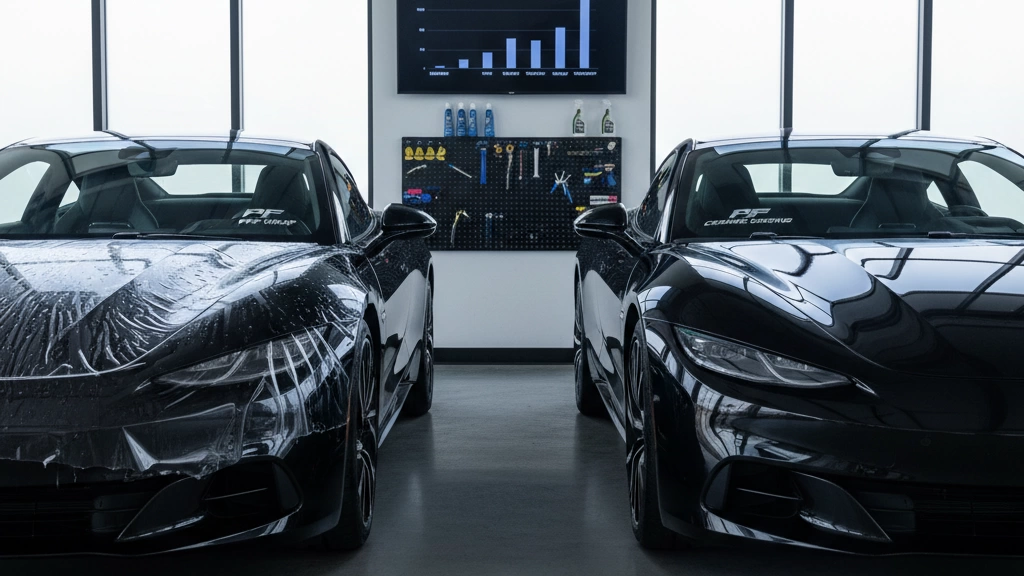
When deciding on paint protection for your vehicle, it helps to know how a PPF wrap stacks up against other options like vinyl wraps, ceramic coatings, clear bras, and hybrid solutions. Each has its place, but the right choice depends on your priorities: protection level, appearance, maintenance, and budget.
| Protection Type | Protection Level | Appearance | Maintenance | Cost | Key Benefits |
|---|---|---|---|---|---|
| PPF Wrap (Paint Protection Film) | High: Shields against rock chips, scratches, UV damage | Clear, nearly invisible | Easy cleaning, self-healing | Moderate to high | Best for paint preservation and impact resistance |
| Vinyl Wraps | Low to moderate: Protection mostly from scratches | Variety of colors/textures | Requires careful washing | Moderate | Great for full color changes and styling options (see our car vinyl wrap film) |
| Ceramic Coatings | Moderate: Adds hydrophobic, UV protection, minor scratch resistance | Glossy finish, enhances shine | Low maintenance, lasts years | Moderate to high | Protects paint surface, easy cleaning |
| Clear Bras | Similar to PPF but often partial coverage | Clear, less flexible | Similar to PPF | Moderate | Focused front-end protection |
| Hybrid Solutions | Varies: Combination of coatings and films | Depends on components | Varies | High | Mixes benefits of coatings and films |
Why choose PPF over others?
- Superior Impact Protection — PPF wraps use thermoplastic urethane film that absorbs rock chips and scratches better than vinyl or coatings.
- Self-Healing Properties — Many PPFs have a self-healing top layer that smooths out swirl marks and minor abrasions.
- Invisible Shield — Unlike colorful vinyl wraps, PPF preserves your car’s original look.
- Durability — PPF generally lasts 5-10 years with proper care, offering long-term value.
- UV Resistance — Protects paint from yellowing and fading, something ceramic coatings and vinyl alone can’t fully prevent.
That said, vinyl wraps can be great if you want to change your car’s look completely or add textures like carbon fiber or matte finishes. If you want a glossy boosted shine and water-repellent finish, ceramic coatings are useful but less tough against impacts.
For the best of both worlds, some go for hybrid solutions—applying ceramic coatings on top of PPF for enhanced durability and shine.
Choosing the right protection comes down to what you value most: ultimate paint preservation (PPF), style flexibility (vinyl), shine and water resistance (ceramic), or a combo. If you want a clear shield that holds up to everyday wear, PPF is usually the safest bet.
For example, you can pair a quality PPF wrap with custom vinyl accents like our silver car wrap vinyl film to keep protection and style balanced.
Types of PPF Wraps Available from KalisePPF
KalisePPF offers a wide variety of paint protection film options to suit different needs and preferences. Whether you’re looking for full-body paint protection or just targeted coverage, they provide several coverage levels—from partial kits focusing on high-impact areas to full-coverage wraps that shield your entire vehicle.
In terms of finishes, KalisePPF supplies films in glossy, matte, and satin textures. This variety lets you choose a look that enhances your car’s style while keeping it protected. They also offer different thickness grades, so you can balance between maximum durability and a sleek, almost invisible layer.
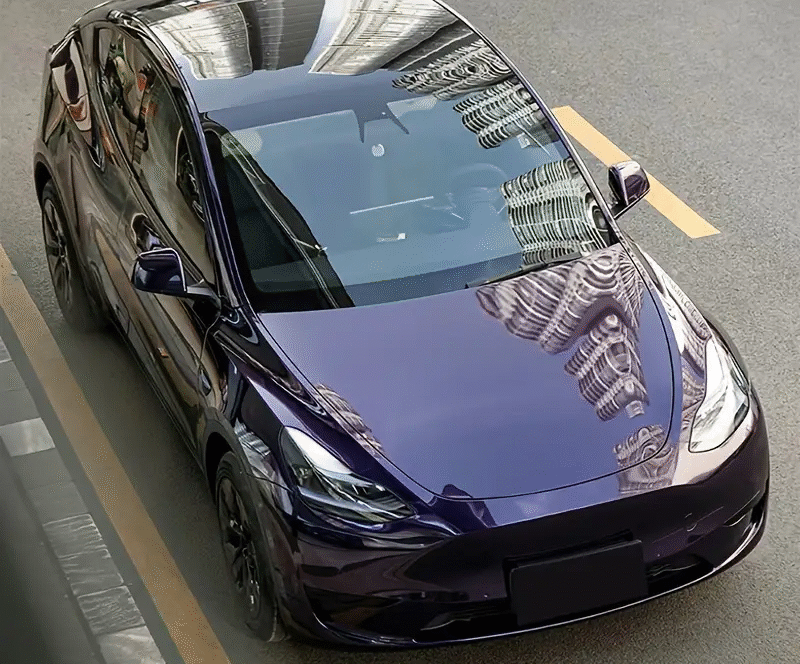
Their premium films are made of thermoplastic urethane, known for excellent self-healing properties and resistance to yellowing and UV damage. For those who want something unique, check out their specialty options like the TPU Chameleon PPF wrap, which adds a color-shifting effect while protecting your paint.
KalisePPF stands out as a factory-direct PPF manufacturer, meaning their films come straight from the source—offering better pricing and quality control compared to middlemen brands. Whether it’s a glossy clear bra for vehicles or a high-performance hydrophobic PPF coating, KalisePPF covers it all with trusted, premium products you can rely on.
The Installation and Maintenance Guide for PPF Wraps
Getting your PPF wrap right starts with proper preparation. Before installation, thoroughly wash and dry your vehicle to remove dust, dirt, and any wax or grease. This ensures the paint protection film adheres smoothly without bubbles or lifting. For best results, the temperature should be moderate—too cold or hot can affect the film’s flexibility and bonding.
When it comes to applying a PPF wrap, professional installation is highly recommended. Experienced installers have the tools and skill to handle complex curves and edges, ensuring full coverage and a seamless finish. While DIY kits are available, they can be tricky—proper surface prep, precise cutting, and careful stretching are crucial. Mishandling can lead to wrinkles, bubbles, or peeling.
After installation, maintenance is straightforward but important:
- Wash gently: Use a mild detergent and soft cloth or sponge. Avoid harsh chemicals and abrasive brushes that can damage the film.
- Avoid high-pressure jets: Keep pressure washers at least a foot away to prevent lifting edges.
- Wax with care: Use wax products safe for PPF to maintain the hydrophobic coating and shine.
- Check for damage: Inspect periodically for chips or tears and repair promptly to keep protection intact.
If you notice issues like bubbling, discoloration, or peeling, professional straightening or partial replacement might be necessary. Following an expert PPF installation guide can help prevent common problems and extend your wrap’s lifespan.
With proper installation and upkeep, your PPF wrap will keep your car looking fresh and protected for years.
Is a PPF Wrap Worth the Investment? Cost Breakdown and ROI
When deciding if a PPF wrap is worth it, the key is weighing the upfront cost against long-term benefits. Pricing varies based on factors like the size of your vehicle, coverage area (partial or full body paint protection), film thickness, and brand quality. Premium TPU films tend to cost more but offer better durability and self-healing properties.
The value proposition is strong: PPF wraps protect your car’s paint from chips, scratches, UV damage, and stains. This preservation can save you thousands in repainting or touch-up costs down the line. Many insurance companies also offer discounts for vehicles equipped with paint protection film, which helps offset installation expenses.
Financing options or spreading out payments through professional installers make the investment manageable for most car owners. Ultimately, the return on investment comes from maintaining your vehicle’s resale value and reducing future maintenance costs, making a PPF wrap a smart choice if you want to keep your car looking new longer.
For detailed pricing and coverage options, consider checking out this does PPF cost? guide for factory-direct pricing insights and installation help.
Frequently Asked Questions About PPF Wraps
Here are some common questions about PPF wraps to help you understand more about this paint protection film:
Can I remove a PPF wrap myself?
While it’s possible to remove PPF on your own, it’s best to have a professional do it to avoid damage to your vehicle’s paint. Professionals use heat and special tools to safely peel off the film.
Is a PPF wrap compatible with all vehicle types and paint finishes?
Yes, PPF works on most cars, trucks, and SUVs regardless of the paint type. However, certain finishes, like matte or textured paint, may require special film or installation techniques.
How do different PPF brands compare?
Brands vary in film thickness, self-healing capabilities, clarity, and warranty coverage. For example, some premium films offer better UV resistance and hydrophobic coatings. Choosing a factory-direct PPF manufacturer ensures you get authentic, high-quality film.
What warranty coverage do PPF wraps usually offer?
Most reputable PPF manufacturers provide warranties covering yellowing, cracking, or peeling for several years, typically around 5 to 10 years. Always check the specific terms, as they differ by brand and film thickness.
Can PPF wraps protect against rock chips and scratches?
Yes, this is one of the main benefits. The thermoplastic urethane film acts as a shield against small debris, scratches, and minor abrasions while preserving your car’s paint.
How often does a PPF wrap need maintenance or replacement?
Maintaining PPF wraps involves regular cleaning and occasional inspection for damage. With proper care, a high-quality wrap can last several years before needing replacement.
For more detailed options on premium films and brand choices, check out our TPU film suppliers and custom brand PPF.

 English
  Portuguese
  Spanish
  German
  French
  Hindi
Hindi