

The Science: Colored PPF vs. Vinyl Wraps
We often encounter vehicle owners torn between a traditional vinyl wrap and color changing ppf film. While both can transform the aesthetic of a car, the similarities end there. The difference isn’t just in the price tag; it is rooted in the molecular structure of the materials we use. Understanding the science behind these films explains why automotive paint protection is an investment, while a vinyl wrap is merely a cosmetic sticker.
Material Composition: TPU vs. PVC
The core distinction lies in the base material. Traditional vinyl wraps are constructed from PVC (Polyvinyl Chloride). PVC is rigid and brittle; while it adds color, it offers virtually no defense against road hazards.
At Carlise, we manufacture our films using high-grade Aliphatic TPU (Thermoplastic Polyurethane). Unlike PVC, TPU is an elastomeric polymer. This means it is flexible, durable, and capable of absorbing energy. When a stone hits Polyurethane vs PVC, the PVC tears, but the TPU absorbs the impact and bounces back.
Quick Comparison: The Material Difference
| Feature | PVC Vinyl Wrap | Carlise TPU Color PPF |
|---|---|---|
| Base Material | Polyvinyl Chloride (Plastic) | Thermoplastic Polyurethane (Rubber-like) |
| Thickness | Thin (3–4 mils) | Thick (8 mils average) |
| Function | Cosmetic styling only | Rock chip protection + Styling |
| Flexibility | Low (prone to cracking) | High (stretchable and self-healing) |
Texture and Finish: The “Orange Peel” Factor
One of the biggest complaints with standard vinyl is the texture. If you look closely at a vinyl-wrapped car, you will often see a rippled, bumpy surface known as “orange peel.” This distortion ruins the reflection and makes the car look like it is covered in plastic.
Our color changing ppf film is engineered for optical clarity. Because we use a wet application method similar to clear bra installation, the film bonds directly to the clear coat without the adhesive distortion found in dry-apply vinyls. The result is a mirror-like finish that mimics factory paint. Whether you are looking for a high gloss black PPF or a vibrant custom hue, the surface remains smooth, deep, and free of texture.
Durability Metrics: Lifespan and Warranty
Durability is where Aliphatic TPU film truly widens the gap. A standard vinyl wrap is a temporary cosmetic fix, typically lasting 2 to 3 years before it begins to fade, crack, or peel under UV exposure. It is not designed to withstand physical abuse.
In contrast, our colored PPF is built for the long haul. The UV resistant car wrap technology integrated into our top coat prevents discoloration and yellowing, ensuring the color remains vibrant. More importantly, the film provides a genuine physical barrier. It resists chemical stains from bird droppings and road oils, and it physically deflects stone chips that would otherwise damage the paint underneath. When we talk about vinyl wrap vs PPF, we are comparing a temporary sticker to a permanent protective shield.
Key Features of Carlise Color Changing PPF
We engineered our color changing ppf film to solve the biggest problem in the aftermarket industry: choosing between style and protection. Unlike standard vinyl that offers zero defense against road debris, our films combine the aesthetic of a custom paint job with the heavy-duty armor of Aliphatic TPU film. We don’t just change the color of your car; we preserve the factory paint underneath.
Instant Self-Healing Technology
Scratches and swirl marks are inevitable, but they don’t have to be permanent. Our film features a heat-activated top coat. When exposed to sunlight or hot water, the molecular structure of the film realigns to fill in fine scratches automatically. This advanced technology ensures superior scratch and stain resistance capabilities that keep the finish looking brand new without polishing.
Impact Resistance: The 8-Mil Shield
Vinyl wraps are typically thin (3-4 mils) and tear easily. Our automotive paint protection film is constructed with an 8 mil thickness, providing a substantial barrier against physical damage. This high-density TPU core absorbs impact energy, offering genuine rock chip protection that prevents stone chips from penetrating through to the metal.
Hydrophobic Top-Coat and the Lotus Effect
Cleaning a wrapped car shouldn’t be a chore. We apply a specialized hydrophobic coating that mimics the “Lotus Effect.” Water, mud, and road oils bead up and slide off the surface rather than sticking. This makes maintenance significantly easier and prevents water spots from etching into the film.
UV & Chemical Resistance
Environmental contaminants like bird droppings, tree sap, and road salts can destroy a finish in days. Our UV resistant car wrap technology integrates UV inhibitors directly into the TPU material. This prevents the “yellowing” often seen in cheaper films and resists chemical staining, ensuring the color remains vibrant for years.
| Feature | Technical Advantage | Real-World Benefit |
|---|---|---|
| Material Base | High-Density Aliphatic TPU | Resists tearing and yellowing |
| Thickness | 8 mil thickness (vs. 3 mil vinyl) | Stops rock chips and debris |
| Surface Tech | Heat-Activated Self-Healing | Erases swirl marks automatically |
| Finish Quality | High-Gloss Wet Look | Matches color change styling to factory paint |
Popular Applications: The “Blackout” Trend & Beyond
The automotive aftermarket in the United States has shifted heavily toward restyling that doubles as protection. We are seeing a massive surge in demand for color changing PPF film, particularly for owners who want to preserve their OEM paint while completely transforming the vehicle’s aesthetic. This isn’t just about looking good; it is about applying a functional, aliphatic TPU armor that defends against highway debris.
High-Gloss Black PPF vs. Black Vinyl
The “chrome delete” or “blackout package” remains the undisputed king of cosmetic upgrades. For years, vinyl was the standard for blacking out roofs, mirrors, and trim. However, vinyl suffers from significant drawbacks: it scratches if you look at it wrong, and it often has a distinct “orange peel” texture that ruins the illusion of glass.
Our piano black car wrap solves these issues by using high-density TPU instead of PVC. This material offers a true, deep black finish that is virtually indistinguishable from factory paint.
Why High-Gloss Black PPF Wins:
- True Reflection: Eliminates the distorted, wavy reflection common in vinyl.
- Self-Healing: Swirl marks from washing vanish with heat.
- Thickness: At 8 mils, it actually stops rock chips, whereas vinyl tears easily.
- Longevity: Resists fading and cracking far longer than standard PVC wraps.
Custom Colors and Matte Finishes
Luxury car styling is moving beyond simple gloss black. Drivers are looking for unique finishes like Nardo Grey, matte conversions, and metallic shifts without devaluing the car with a permanent paint job. A high-quality colored PPF film allows you to change the vehicle’s color completely while maintaining the robust protection of a clear bra.
Unlike traditional vinyl wraps which offer zero impact protection, colored TPU films provide a hydrophobic surface that repels water and road oils. This means you get the custom look of a show car with the daily-driver durability required for US roads. Whether you choose a satin finish or a high-gloss color, the film acts as a sacrificial layer, keeping the original paint underneath pristine for future resale.
The Economics: Is Color Changing PPF Film Worth the Cost?
Upfront Investment vs. Long Term Value
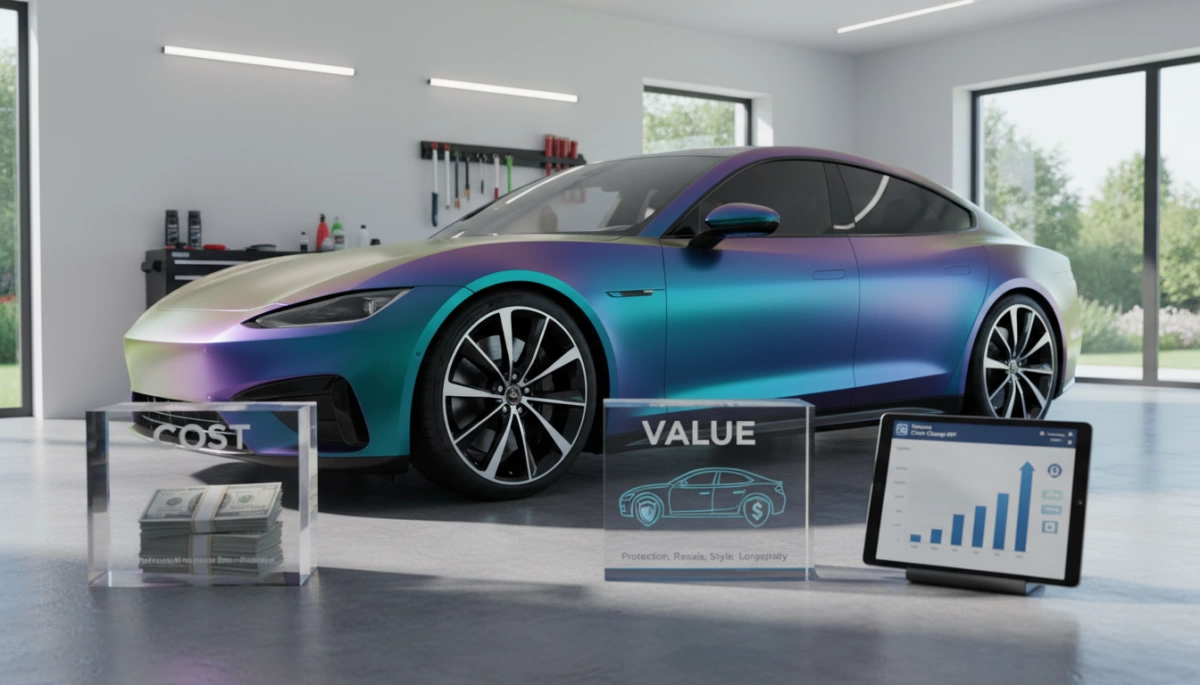
Let’s be real about the price tag. Color changing PPF film costs more upfront than a standard vinyl wrap, but you are paying for completely different materials. Vinyl is PVC—it’s essentially a sticker that offers zero impact protection and degrades quickly under the sun. Our films use Aliphatic TPU, a robust material designed to absorb impact.
When you look at the math over a 5 to 7-year ownership period, the value shifts. A vinyl wrap often needs replacing after 2-3 years due to fading or cracking. In contrast, automotive paint protection film maintains its integrity and self-healing properties much longer. You are buying a cosmetic upgrade and a heavy-duty shield in one transaction, saving you the cost of eventual paint correction or bumper resprays.
Resale Value and Paint Preservation
Modifying a high-end vehicle usually hurts its resale value, especially if you mess with the factory paint. A permanent color change via a paint booth is a financial loss the moment the spray gun triggers. Color changing PPF film solves this problem by acting as a reversible, sacrificial layer.
While you enjoy a custom aesthetic, such as a stunning Midnight Purple finish, the original clear coat underneath remains hermetically sealed against UV rays, bird droppings, and road salts. This is true OEM paint preservation. When it is time to sell or trade the car in, you simply peel off the film to reveal factory-fresh paint. A car with pristine original paint always commands a higher market price than one with a repainted surface or rock-chipped bumper.
Installation Labor and Permanence
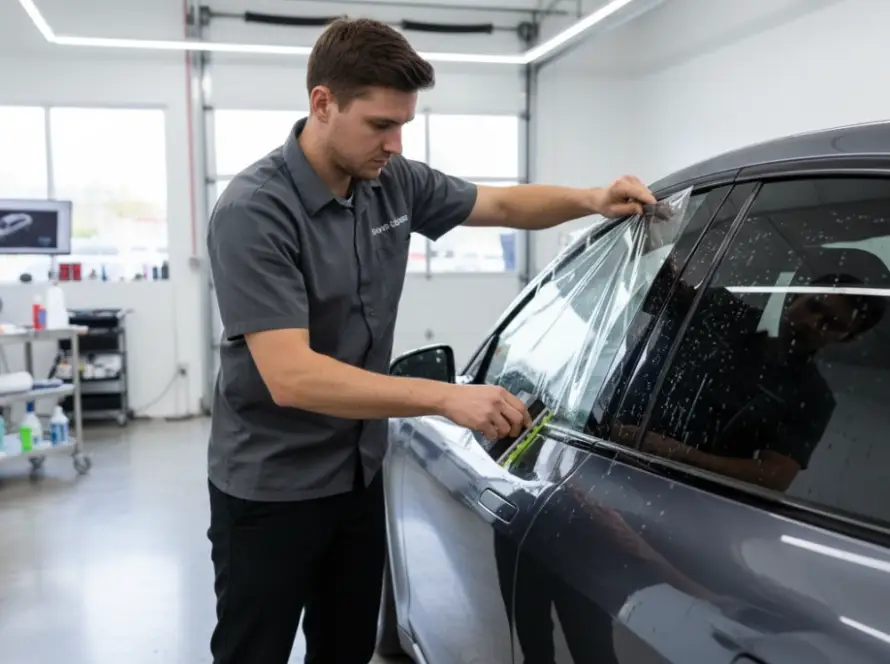
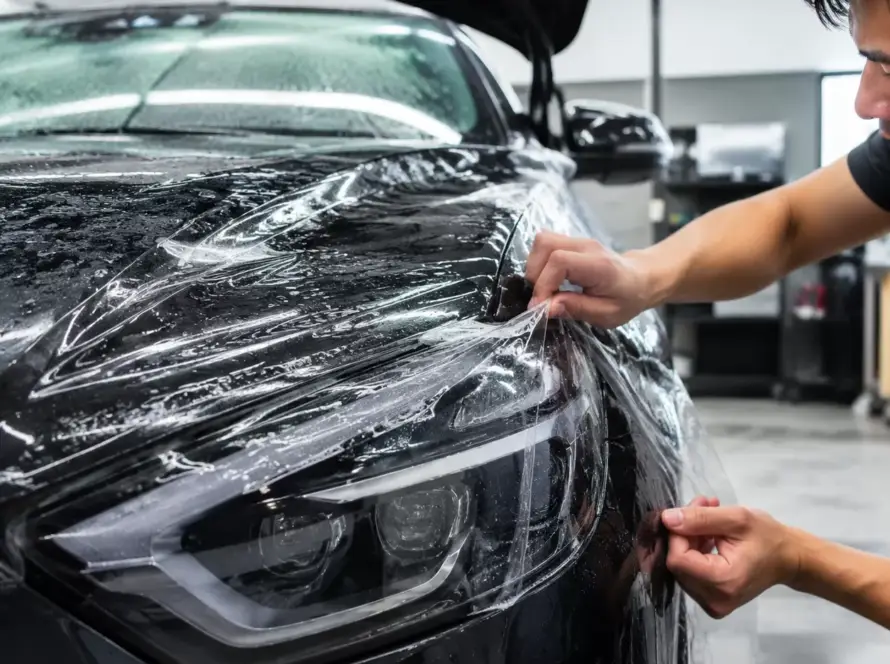
Installing color changing PPF film is a labor-intensive process that justifies the cost. Unlike thin vinyl that can be dry-applied and over-stretched, our 8-mil TPU requires precise wet installation techniques by skilled professionals. This ensures the film bonds correctly without distorting the texture, giving you that paint-like finish without the “orange peel” look.
- Reversibility: The film is designed to be removed without leaving aggressive adhesive residue or damaging the clear coat.
- Stability: Once cured, it acts like a permanent fixture that withstands high-pressure washes and environmental abuse.
You get the durability of a permanent coating with the flexibility of a removable wrap. It is a smart allocation of funds for anyone serious about luxury car styling and asset protection.
Why Choose CarlisePPF?
When you invest in a color changing PPF film, you need to know exactly what is protecting your vehicle. At CarlisePPF, we don’t cut corners with cheap fillers or unstable PVC blends. We engineer our films using premium aliphatic TPU designed to withstand real-world abuse while delivering a paint-like finish that traditional vinyl simply cannot match.
Manufacturing Excellence and 5-Layer Construction
Our films are built on a foundation of material science, not just aesthetics. We utilize a sophisticated multi-layer structure that ensures optical clarity and extreme durability. This isn’t just a sticker; it is a technical barrier against the elements. You can learn more about our rigorous manufacturing standards and brand philosophy to understand why our TPU stands out.
The CarlisePPF Structure:
| Layer | Function |
|---|---|
| Self-Healing Top Coat | Heat-activated repair for swirl marks and scratches. |
| Aliphatic TPU Core | High-density thermoplastic polyurethane for impact resistance. |
| Pressure Sensitive Adhesive | Ensures strong bond without damaging original paint upon removal. |
| Release Liner | Protects the adhesive integrity prior to installation. |
| PET Cap Sheet | Preserves the high-gloss finish during transport. |
Global Supply and Bulk Orders
We understand that consistency is key for business growth. We support professional shops and distributors by providing reliable bulk wholesale TPU color PPF rolls. Whether you are running a single high-end detailing studio or a regional distribution network, our supply chain is built to keep your inventory stocked without the bottlenecks common in the industry.
For businesses looking to scale, we offer specialized TPU film supply and custom branding solutions, allowing you to establish your own market presence with our proven technology.
Partnership Opportunities for Installers
We are looking for serious partners, not just buyers. Through CarlisePPF™ global dealership recruitment, we provide installers with access to factory-direct pricing and technical support. We also offer custom color development for large distributors, giving you the ability to offer unique finishes that your local competitors can’t touch. When you partner with us, you get the material quality necessary to back up your workmanship with confidence.
Frequently Asked Questions About Color Changing PPF
We understand that switching from traditional vinyl to color changing PPF film brings up some technical questions regarding maintenance and longevity. Here are the answers to the most common inquiries we receive from installers and vehicle owners.
Can you wax color changing PPF?
Yes, you can wax it, but you need to be selective about the product. Because our film features a hydrophobic coating, it naturally repels water and dirt, reducing the need for heavy waxing. If you want to add extra gloss to a high gloss black PPF or a vibrant color, use a non-abrasive, natural wax or a dedicated PPF sealant.
- Avoid: Waxes containing naphtha or kerosene (often found in cheaper products) as they can degrade the TPU over time.
- Recommended: Ceramic coatings designed for PPF are superior to wax, enhancing the self-cleaning properties without clogging the film’s pores.
How long does colored PPF last?
Unlike PVC vinyl wraps that tend to crack or fade within 2-3 years, our Aliphatic TPU film is engineered for long-term durability. You can generally expect a lifespan of 5 to 10 years depending on environmental conditions and care. The material is stabilized to resist UV radiation, preventing the color from fading or the clear coat from yellowing. Exploring our diverse range of colored PPF reveals options built to withstand harsh road elements while maintaining that “wet paint” look for the long haul.
Is colored PPF removable?
Absolutely. One of the main benefits of automotive paint protection film is that it is fully reversible. The adhesive is formulated to grip the paint surface strongly enough to prevent lifting during high-speed driving but can be removed by a professional without leaving aggressive residue. This makes it an ideal solution for luxury car styling, allowing you to change the vehicle’s aesthetic without the permanent commitment of a paint job.
Does colored PPF damage the paint?
No, it actually preserves it. Color changing PPF film acts as an 8 mil thickness sacrificial barrier. It absorbs the impact from road debris, preventing rock chip protection issues and scratches from reaching the clear coat.
- OEM Paint Preservation: When the film is removed, the factory paint underneath remains in the exact condition it was in on the day of installation.
- Resale Value: By protecting the original finish from UV damage and physical wear, the film helps maintain the vehicle’s market value.


 English
  Portuguese
  Spanish
  German
  French
  Hindi
Hindi