

The New Standard: Why Car PPF Colors Are Replacing Vinyl Wraps
The Historic Dilemma: Protection vs. Style
For years, automotive enthusiasts and professionals faced a compromising choice. You either selected vinyl wraps for aesthetic customization or Paint Protection Film (PPF) for impact resistance. Traditional vinyl (PVC) offered a wide array of colors but lacked the thickness to stop rock chips and scratches effectively. Conversely, clear PPF provided superior defense against road debris but limited owners to the vehicle’s original factory paint color. This separation forced a trade-off between protecting the asset and achieving a custom look.
The Hybrid Solution: Colored TPU Film
We have engineered the ultimate solution: TPU color changing film. By infusing rich pigments directly into our high-performance Thermoplastic Polyurethane (TPU) substrate, we deliver the best of both worlds. This is not merely a cosmetic layer; it is a robust shield that combines the visual impact of a custom wrap with the engineering excellence of our premium protection films. Our colored paint protection film integrates the following core technologies:
- Self-Healing Capabilities: Minor scratches and swirl marks vanish with heat application.
- High Tensile Strength: Superior resistance to punctures and road debris compared to brittle PVC.
- Hydrophobic Top Coat: Advanced water-beading properties for easier maintenance.
Why Modern Drivers Are Switching
The market is rapidly shifting away from standard vinyl toward automotive aesthetic protection. Drivers are choosing car PPF colors because they eliminate the “orange peel” texture often associated with vinyl, offering a true paint-like finish. Beyond aesthetics, the switch is driven by longevity. While vinyl wraps often degrade after a few years, our colored TPU films are designed for long-term stability, resisting yellowing, cracking, and oxidation. This evolution allows vehicle owners to completely transform their car’s appearance while securing the high-level protection required to maintain resale value.
What is Colored PPF? The Tech Behind the Film
Car PPF colors represent a massive leap forward in automotive material science. Unlike traditional vinyl wraps that are purely cosmetic, colored Paint Protection Film (PPF) is a functional armor that happens to change your vehicle’s aesthetic. We engineer these films to provide the robust defense of a clear bra while delivering the vibrant, deep hues of a custom paint job.
Understanding the Material: TPU vs. PVC
The core difference lies in the substrate. Standard vinyl wraps are made from PVC (Polyvinyl Chloride), which is rigid and prone to cracking over time. In contrast, we manufacture our TPU color changing film using premium Aliphatic TPU material (Thermoplastic Polyurethane).
- Elasticity: TPU is highly stretchable and returns to its original form, allowing for self-healing of fine scratches.
- Durability: Unlike PVC, which becomes brittle with UV exposure, aliphatic TPU remains flexible and resists yellowing or fading.
- Chemical Resistance: Our TPU base withstands harsh road chemicals that would typically stain or eat through standard vinyl.
Thickness Matters: 7.5–8 Mils vs. 3–4 Mils
When it comes to protection, mass is critical. A standard vinyl wrap is typically thin, ranging from 3 to 4 mils. While this covers the original paint color, it offers virtually no protection against road debris.
Our colored PPF is engineered to a thickness of 7.5 to 8 mils. This substantial increase in density allows the film to absorb and disperse the energy from rock chips and road hazards, preventing damage to the OEM paint underneath. You get the style of a wrap with the impact resistance of industrial-grade protection.
The ‘Wet Look’ Finish: Zero Orange Peel
One of the biggest complaints with vinyl is the “orange peel” texture—a distortion that makes the surface look like plastic rather than paint. We utilize advanced manufacturing techniques to ensure our colored PPF film wet TPU delivers a perfectly flat, mirror-like reflection.
This orange peel free finish mimics the depth and clarity of a factory “wet” paint job. Whether you choose a high-gloss black or a custom hue, the result is an optical clarity that standard vinyl simply cannot achieve, maintaining that showroom shine for years rather than months.
Colored PPF vs. Vinyl Wrap: The Ultimate Showdown
For years, car enthusiasts had to choose between styling with vinyl or protecting with film. Today, that gap has closed. The battle of Colored PPF vs Vinyl Wrap is heavily skewed toward Paint Protection Film (PPF) because it combines the visual impact of a wrap with the heavy-duty defense of our clear protective films. While vinyl is purely cosmetic, colored PPF is a functional shield that preserves your vehicle’s value.
Here is why modern drivers are upgrading from PVC vinyl to TPU-based car ppf colors:
- Durability and Lifespan: Standard vinyl wraps typically last 2–3 years before the sun breaks down the PVC, leading to fading and cracking. Our TPU films are built with aliphatic materials that resist UV degradation, offering a lifespan of 5–10 years.
- Self-Healing Science: Vinyl scratches easily and those defects are permanent. A self-healing color wrap features a top coat that repairs fine scratches and swirl marks automatically when exposed to heat from the sun or a warm engine.
- Rock Chip Resistance: This is the most critical difference. Vinyl is thin and brittle; it tears when hit by road debris. Colored PPF is significantly thicker (up to 8 mils) and absorbs impact energy, bouncing rocks off without damaging the paint underneath.
- Removal Safety: We engineer our adhesives to remain stable over the long term. Unlike vinyl, which can become brittle and leave difficult residue that damages the clear coat upon removal, PPF is designed to peel off cleanly, leaving your OEM paint exactly as it was on day one.
The Carlise Color Palette: Popular Finishes & Trends
When selecting car ppf colors, the finish quality is just as critical as the shade itself. We have engineered our colored TPU films to outperform traditional vinyl by delivering superior optical depth and clarity. Our lineup ensures that drivers no longer have to choose between the protection of a clear bra and the custom style of a wrap.
High-Gloss Black PPF
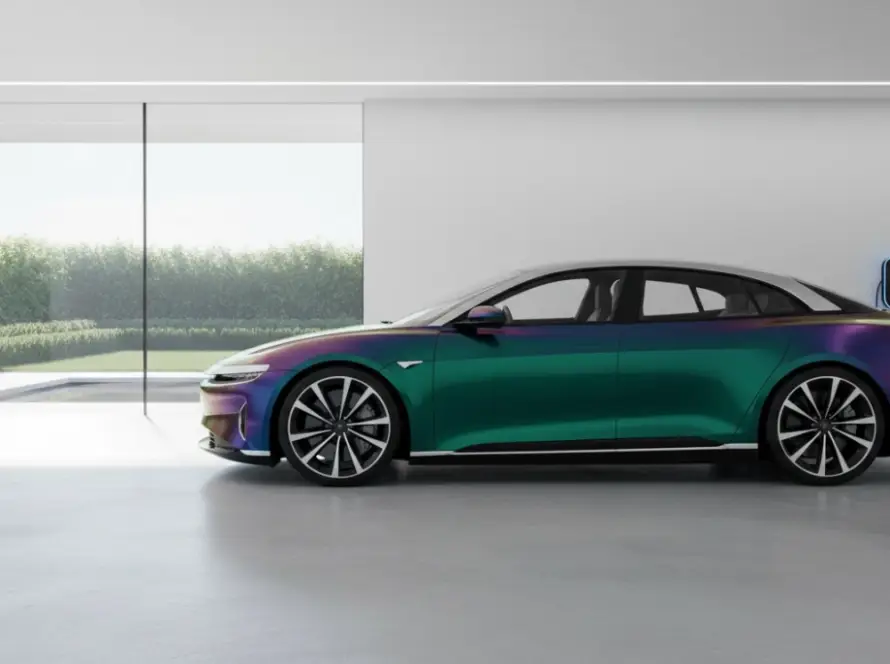
This is the ultimate solution for roof wraps, chrome deletes, and two-tone styling. Unlike PVC vinyl, which often suffers from visible orange peel texture, our High-gloss black PPF offers a true mirror reflection. It provides that deep, liquid aesthetic often referred to as a piano black car wrap film, but with the massive advantage of self-healing durability. Scratches from washing disappear with heat, keeping the black finish jet-black and glossy for years.
Matte & Satin Transformation
For a modern, understated look, Satin finish paint protection is the go-to choice. It delivers a “frozen” or “stealth” appearance that highlights the vehicle’s body lines without the intense glare of gloss.
- Non-Reflective: Eliminates glare while accentuating curves.
- Easy Maintenance: The hydrophobic top coat resists water spots and fingerprints better than factory matte paint.
- Protection: Offers the same rock chip resistance as our clear films.
Custom Color Development & Wholesale
We don’t just stock standard rolls; we manufacture them. For large-scale distributors and fleet managers, we offer Custom color PPF manufacturing to match specific branding requirements. Whether you need vibrant glossy red car wrap colors or a unique corporate shade, we supply Bulk colored PPF rolls designed for professional application.
| Feature | High-Gloss Series | Matte/Satin Series |
|---|---|---|
| Visual Effect | Mirror-like, “wet” look | Flat, stealth texture |
| Surface Feel | Smooth, glass-like | Smooth, non-grippy |
| Best Use | Chrome deletes, roofs, full color change | Full body stealth wraps |
| Durability | High impact & scratch resistance | High impact & scratch resistance |
Technical Superiority: The Carlise Advantage
When we talk about car PPF colors, the conversation often stops at aesthetics, but the real magic happens in the engineering. At Carlise, we don’t just dye a piece of plastic; we engineer a multi-layered shield. The difference between a film that looks good for six months and one that lasts a decade comes down to the molecular structure of the TPU and the chemistry of the top coat. Here is why our colored films stand apart in the US market.
Aliphatic TPU Material: The Anti-Yellowing Engine
The biggest fear with any paint protection film, especially white or light-colored variants, is yellowing over time. This usually happens when manufacturers use Aromatic TPU, which reacts poorly to UV exposure. We utilize premium Aliphatic TPU material for our colored series. This chemical structure is inherently stable against UV radiation and oxidation.
Whether you are choosing a deep gloss black or a vibrant custom hue, the color remains chemically locked in. This ensures that the film does not fade, discolor, or turn brittle under the intense sun, maintaining that “just installed” look for years. This stability is the foundation of our custom brand PPF manufacturing, allowing us to guarantee long-term performance where standard vinyl fails.
Hydrophobic Top Coat Technology
We have integrated a dense, hydrophobic top coat directly into the film’s surface. In the past, you had to apply a ceramic coating on top of a wrap to get water-beading properties. With our colored TPU, that functionality is built-in.
This hydrophobic top coat creates a low surface energy barrier, meaning water, mud, and road grime cannot bond to the film. Instead of smearing, contaminants bead up and roll off. This makes maintenance incredibly easy—often requiring just a simple rinse to restore the shine—and protects the film from chemical staining caused by bird droppings or acid rain.
Installation and Adhesive Performance
For professional installers, the quality of the film is judged by how it handles the curves. Our TPU car wrap film is engineered with a balanced elongation ratio. This means the material can be stretched to fit complex bumpers and mirrors without thinning out the color layer or compromising the protective core.
We pair this flexibility with a high-performance pressure-sensitive adhesive. It is designed to be repositionable during installation but locks down firmly once the squeegee passes, ensuring edges don’t lift and corners stay wrapped.
Comparison: Carlise Color PPF vs. Standard Solutions
| Feature | Carlise Aliphatic TPU | Standard PVC Vinyl | Generic Aromatic PPF |
|---|---|---|---|
| Base Material | Thermoplastic Polyurethane (Aliphatic) | Polyvinyl Chloride (PVC) | Thermoplastic Polyurethane (Aromatic) |
| UV Stability | Excellent (Non-yellowing) | Poor (Fades/Cracks) | Moderate (Yellows over time) |
| Self-Healing | Heat-Activated Repair | None | Limited |
| Surface Feel | Smooth, Paint-like (No Orange Peel) | Plastic/Vinyl Texture | Rubber-like |
| Hydrophobic | Built-in Top Coat | Requires Aftermarket Coating | Varies by Brand |
Is Colored PPF Worth the Investment?
When you compare the upfront cost of car ppf colors against traditional vinyl, the price difference is noticeable. However, looking at the numbers over the lifespan of a vehicle, colored TPU film is often the smarter financial move. We aren’t just selling a color change; we are providing industrial-grade armor for your vehicle’s clear coat.
Breaking Down the ROI: PPF vs. Vinyl
The “sticker shock” fades quickly when you calculate the replacement costs. A standard PVC vinyl wrap typically starts degrading within 2–3 years due to UV exposure and road debris. In contrast, our TPU color changing film is engineered to last up to a decade.
- Frequency of Replacement: You would need to re-wrap a car with vinyl 3 to 4 times to match the lifespan of a single installation of high-quality colored PPF.
- Maintenance Savings: The hydrophobic top coat on our films reduces the need for frequent professional detailing and waxing.
- Damage Prevention: Unlike vinyl, which tears easily, colored PPF absorbs impact from rock chips and scratches, saving you thousands in body shop repainting fees.
Protecting Resale Value
The biggest hidden value of installing a 10-year warranty car wrap lies in what happens when you decide to sell the car. When you peel off a Carlise colored PPF installation after five or seven years, the OEM paint underneath remains in factory-perfect condition.
Standard vinyl often leaves difficult adhesive residue or, worse, peels the clear coat upon removal. Our TPU films use pressure-sensitive adhesives that protect the substrate. Whether you opt for a vibrant Mimosa Red or a deep black, you are effectively freezing the condition of your car’s paint in time. This preservation commands a significantly higher resale value compared to a vehicle with road rash and swirl marks.
Comprehensive Warranty Coverage
We back our products because we know the science behind the material. Investing in premium colored PPF comes with the assurance of long-term performance. Our warranty coverage (ranging from 5 to 10 years depending on the series) specifically protects against:
- Yellowing: Ensuring the color stays true.
- Cracking: Preventing the “dried out” look common in old vinyl.
- Bubbling: Guaranteeing adhesive stability.
For drivers looking for a permanent aesthetic upgrade that pays for itself through protection, colored PPF is the definitive choice.
Frequently Asked Questions (FAQ)
Can you polish colored PPF like real paint?
Generally, you do not need to polish TPU color changing film the same way you treat clear coat. Our films are engineered with a self-healing top coat that naturally repairs fine swirl marks and light scratches when exposed to heat. Using heavy cutting compounds or abrasive polishes can actually damage this self-healing layer. For maintenance, we recommend using sealants or ceramic coatings specifically formulated for PPF to enhance the hydrophobic top coat without compromising the material’s integrity.
Does colored PPF look like a factory paint job?
Yes, and often better. A major differentiator in the Colored PPF vs Vinyl Wrap debate is the surface texture. High-quality TPU films offer an orange peel free finish that mimics the depth and clarity of liquid paint. Because the material is thicker (typically 7.5–8 mils) and constructed from premium aliphatic TPU, it provides a deep, “wet” look that standard PVC vinyl simply cannot achieve. Whether you choose a high-gloss black PPF or a custom color, the result is virtually indistinguishable from a factory spray.
How long does the installation process take?
Quality takes time. A full color change is a complex process that involves thorough washing, decontamination, disassembly of trim, bulk installation, and edge wrapping. Most professional shops require 3 to 5 days to complete a full vehicle wrap to ensure the edges are sealed and the adhesive has bonded correctly. You can learn more about the specific timeline factors in our guide on how long it takes to PPF a car to better plan your vehicle’s downtime.
Is colored PPF safe for all car surfaces?
Car PPF colors are designed to be completely safe for original equipment manufacturer (OEM) paint. The pressure-sensitive adhesive we use provides a strong bond for rock chip resistance but is chemically formulated to be removed without leaving residue or stripping the clear coat. It acts as a sacrificial layer, absorbing impact from road debris so your factory paint remains pristine underneath. However, if your vehicle has been repainted with low-quality aftermarket paint, we recommend consulting a professional installer first.


 English
  Portuguese
  Spanish
  German
  French
  Hindi
Hindi