

If you’re considering how to protect your car’s paint from chips, scratches, and everyday wear, understanding PPF for car is essential. Choosing the right Paint Protection Film can save you thousands in repairs and keep your vehicle looking showroom fresh for years. In this guide, you’ll learn the key differences between top brands, coverage options, and how PPF stacks up against ceramic coatings and vinyl wraps—helping you make an informed decision before investing in professional installation. Let’s get right to what matters most for protecting your ride.
What Is PPF for Cars and How Does It Work?
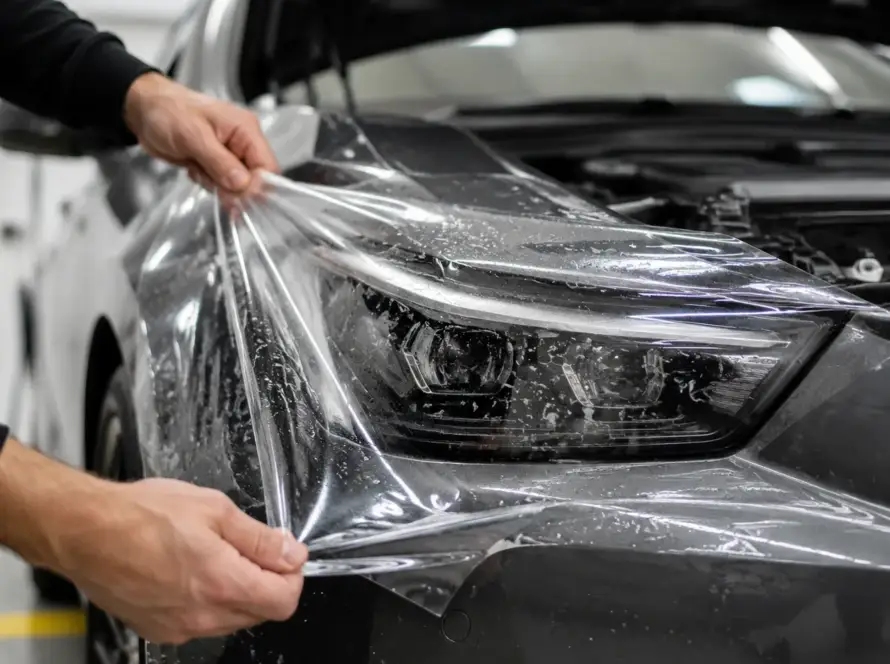
Paint Protection Film (PPF) is a clear or colored thermoplastic polyurethane (TPU) film applied to a vehicle’s painted surfaces to shield against damage. It acts as an invisible armor against rock chips, scratches, stains, and harmful UV rays, preserving the car’s showroom finish over time.
The Architecture of Paint Protection Film
PPF consists of multiple precise layers engineered for durability and performance:
LayerFunctionTopcoatSelf-healing, hydrophobic, anti-yellowingTPU Protective FilmFlexible yet tough barrier against abrasionAdhesive LayerPaint-safe bonding without residueRelease LinerProtective backing, removed during install
This multilayer construction offers impact resistance with flexibility, ensuring strong protection without altering the car’s visual appeal.
Core Protective Benefits
- Self-Healing Technology: Fine scratches and swirl marks vanish with heat or sunlight exposure.
- Anti-Scratch & Anti-Stain: Resists daily road debris, bird droppings, and minor abrasions.
- UV/IR Rejection: Prevents film yellowing and protects paint from sun damage.
- Heat Resistance: Helps reduce surface temperature buildup, protecting paint integrity.
In essence, PPF for cars combines advanced materials with smart design to provide long-lasting, invisible defense that keeps vehicles looking fresh and flawless.
PPF vs. Ceramic Coating vs. Vinyl Wrap: Which Is Right for You?
2.1 Side-by-Side Comparison Matrix
FeaturePaint Protection Film (PPF)Ceramic CoatingVinyl WrapProtection TypePhysical barrier – scratches, chipsChemical bond – hydrophobic layerSurface covering – styling onlyDurability5+ years (with warranty)2-5 years depending on product3-7 years depending on qualitySelf-Healing AbilityYes, with TPU technologyNoNoUV/IR & Heat RejectionYesYesLimitedStyling OptionsClear or colored optionsGlossy or matte finishUnlimited colors, patternsInstallationRequires professional or pre-cut kitsProfessional recommendedEasier DIY or professionalPaint ImpactProtects factory paint from damageEnhances paint shine, no physical barrierTemporary cosmetic change, no protectionMaintenanceModerate – washes safe with proper careLow – easy wash & water beadingModerate – susceptible to scratches
2.2 PPF vs. Ceramic Coating
PPF offers an actual physical shield made from TPU, defending your car’s paint from rock chips, scratches, and stains with a self-healing topcoat. This means minor abrasions fade over time without intervention. Ceramic coatings create a hydrophobic chemical layer that repels water and dirt, enhancing gloss and making cleaning easier, but they don’t stop physical damage like chips or scratches. For owners focused on ultimate paint protection, especially in harsh driving environments, PPF is the superior choice. For shine and easier maintenance without physical barrier needs, ceramic coating is a solid option.
Learn more about these differences at CarlisePPF’s detailed guide on PPF vs. Ceramic Coating.
2.3 PPF vs. Vinyl Wrap
Vinyl wraps mainly change the vehicle’s appearance with colors or finishes but provide minimal protection against scratches or chips because they’re thinner and less durable. PPF, especially high-grade TPU films, is engineered to protect and restore itself from minor damage, maintaining your paint’s original surface beneath. Wraps are great for branding or seasonal style changes, while PPF focuses on long-term paint preservation. Vinyl films generally require replacement sooner and don’t offer the same UV or heat rejection benefits.
2.4 The Hybrid Approach: Combining PPF with Ceramic Coating
Many vehicle owners opt to combine PPF with ceramic coating for a layered defense. Applying ceramic coating on top of PPF enhances gloss, boosts water beading, and reduces cleaning time, while the underlying PPF offers the physical shield. This hybrid setup maximizes protection and aesthetics, delivering a durable, glossy finish that stands up to everyday wear.
For a comprehensive look at combining these technologies, CarlisePPF offers expert insights on blending paint protection film and ceramic coatings at PPF Car vs. Ceramic Coating.
Clear PPF vs. Colored PPF: Protection Meets Styling
Traditional Clear PPF (Invisible Armor)
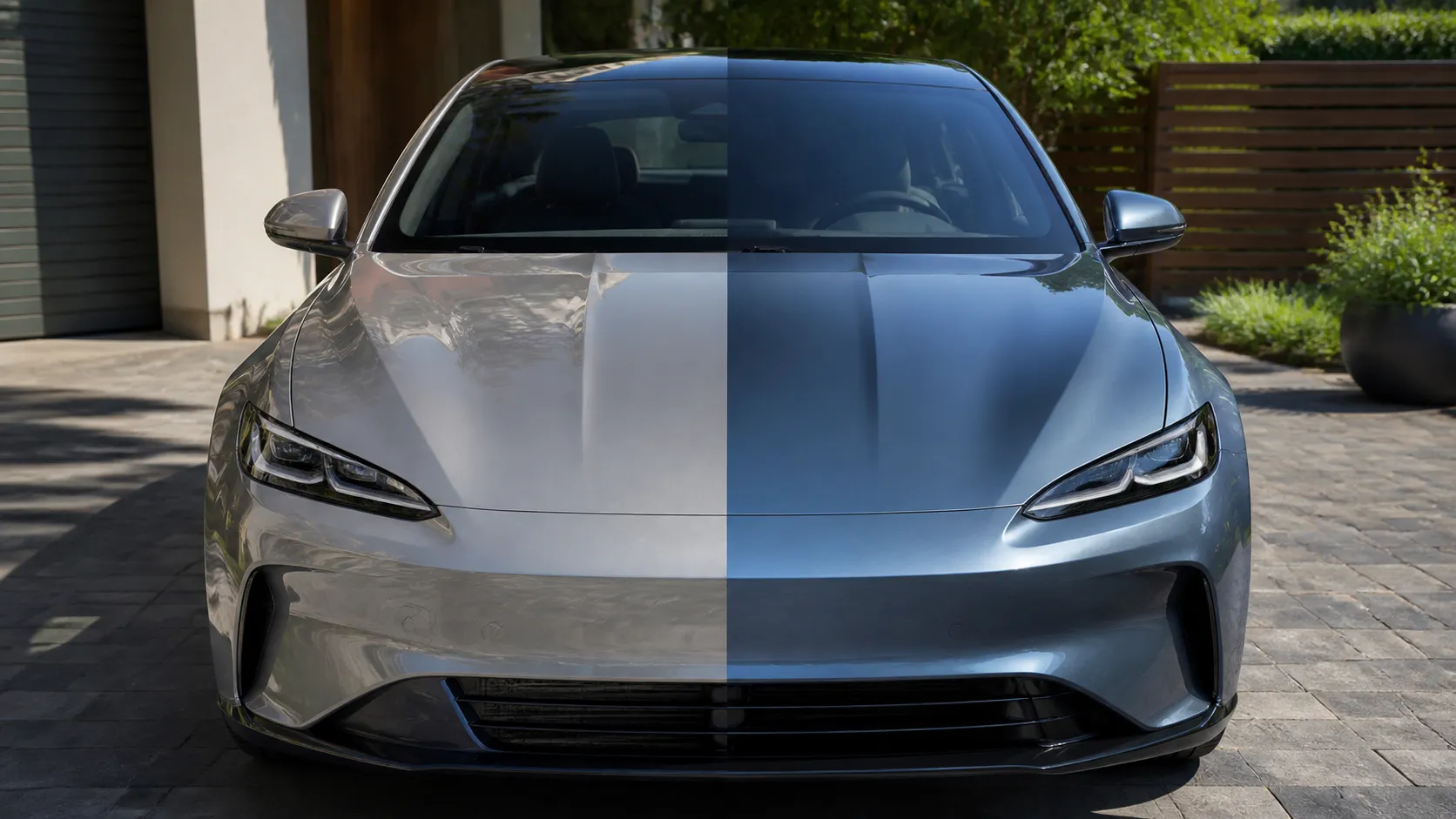
Clear Paint Protection Film is the go-to solution for preserving your vehicle’s original paint finish without altering its appearance. Acting like an invisible armor, it shields against rock chips, scratches, stains, and UV damage while maintaining the factory color and gloss. This self-healing TPU film delivers durable protection with anti-yellowing and heat rejection properties, ensuring long-lasting clarity and performance. Its near-invisibility makes it ideal for owners who want subtle, effective defense without changing their car’s look. For those seeking premium clear options, products like CarlisePPF’s transparent TPU car wrap set the benchmark with reliable 5-year warranties and consistent high quality.
The Rise of Colored TPU PPF
Colored TPU paint protection films offer a bold twist by combining robust protection with eye-catching styling. Unlike traditional clear films, these color-changing PPFs—such as Ferrari Red, Venice Purple, or Black Crystal Blue—transform your vehicle’s appearance while maintaining the same advanced self-healing, anti-scratch, and UV-protection features. This fusion of aesthetics and function makes colored TPU PPF an attractive choice for car owners looking to stand out while safeguarding their paintwork. These films also boast excellent resistance to yellowing and staining, extending both beauty and durability. Explore the wide range of vibrant options in CarlisePPF’s colored PPF wrap collection to find a perfect custom finish that protects and impresses.
How Much Does Car PPF Cost? Real-World Pricing Breakdown
Tiered Coverage Options & Standard Market Rates
Paint Protection Film (PPF) pricing often depends on the coverage area you choose. Here’s a broad classification of common PPF coverage tiers and typical market price ranges:
Coverage TypeDescriptionTypical Price Range (USD)Partial FrontHood, fenders, side mirrors$300 – $700Full FrontFull bumper, full hood, fenders$700 – $1,200Full Car CoverageComplete vehicle wrap$2,000 – $5,000+
Prices vary by film type, vehicle size, and installer skill, but these tiers reflect the baseline options most car owners consider.
Key Factors Influencing Total Installation Cost
Several important elements directly affect the final cost of PPF installation:
- Film Quality & Technology: Premium TPU films with self-healing, anti-yellowing, and UV protection usually cost more upfront but deliver better long-term value.
- Color vs. Clear PPF: Colored TPU PPF adds a style upgrade, typically at a higher price than standard clear film.
- Vehicle Complexity: Larger vehicles or intricate body lines require more film and labor, boosting costs.
- Surface Preparation & Paint Correction: Some installations include paint correction to fix imperfections before applying PPF—adding to the total.
- Installation Type: Professional installation in a controlled environment ensures quality but comes at a premium compared to DIY or pre-cut kits.
- Geographic Location: Labor rates vary widely by region, impacting final pricing.
For a clear understanding and tailored pricing, it’s best to request a quote based on your vehicle and preferences. Factory-direct options and customized PPF kits from providers like CarlisePPF offer competitive pricing and high-quality materials for both wholesale buyers and detailers. For more detailed insights on costs, see the comprehensive PPF car protection cost guide.
What to Look For When Selecting the Best Paint Protection Film
Film Thickness and Material Quality
Opt for a PPF composed of high-grade Thermoplastic Polyurethane (TPU), known for its superior durability and elasticity. Thickness matters—films around 6-8 mils balance robust protection with ease of installation. Thicker films offer better resistance against rock chips and scratches but can be trickier to apply flawlessly.
Clarity, Orange Peel, and Anti-Yellowing Formulation
The best PPF maintains crystal-clear transparency without the “orange peel” texture some lower-quality films show after installation. Look for coatings with advanced anti-yellowing technology to ensure your clear film stays pristine under sun exposure, preserving your car’s showroom look for years.
Adhesive Technology & Paint Safety
A sensitive yet strong adhesive is critical—it must securely bond to your vehicle’s paint but peel off cleanly without residue or damage. Modern paint protection films use advanced adhesive formulations that allow repositioning during installation, reducing risk of paint lifting or bubbling.
Warranty & Manufacturer Reliability
Choose PPF backed by a comprehensive warranty, typically 5 years for TPU films, reflecting confidence in durability and performance. A reliable manufacturer with decades of experience—like CarlisePPF—provides not only quality materials but also OEM/ODM support and factory-direct pricing, ensuring you get genuine, tested protection and professional-level consistency. For a deeper dive into selecting dependable films, check out CarlisePPF’s detailed guide on what to look for when choosing a reliable paint protection film.
Installation Insights: Professional Fitment vs. Pre-Cut Kits
Essential Surface Preparation Protocol
Proper surface prep is crucial before installing PPF for cars. The vehicle’s paint must be thoroughly cleaned and free of contaminants like dirt, wax, or oils that could interfere with adhesion. Often this involves a deep wash, clay bar treatment, and sometimes paint correction to ensure a flawless base. Skipping these steps risks bubbling, lifting, or poor film bonding, which reduces the protection lifespan.
Pre-Cut Pattern Kits vs. Custom Hand-Tucked Wraps
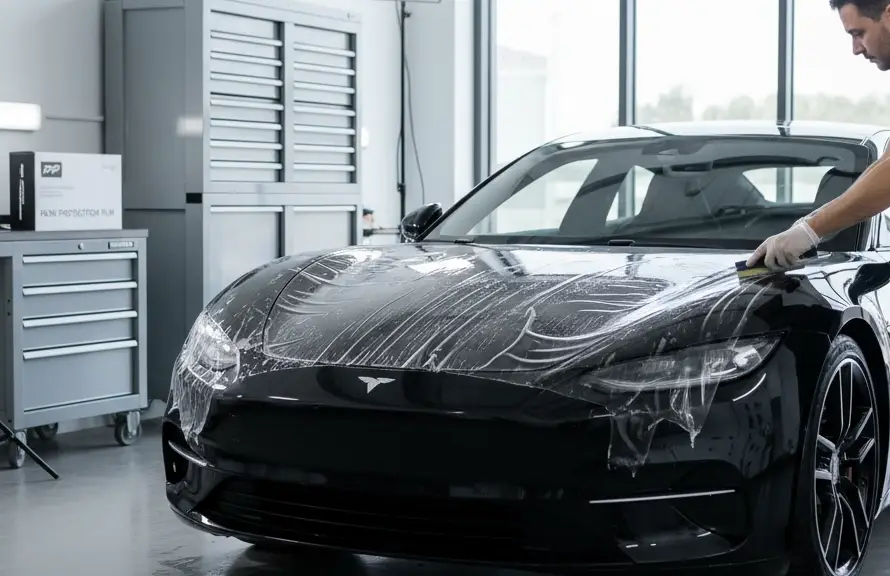
Pre-cut PPF kits offer precise patterns tailored for specific vehicle models, speeding installation and reducing material waste. These kits are ideal for DIY enthusiasts or quick applications but may lack the detailed fit of a custom wrap. On the other hand, professional installers can hand-tuck films, adjusting seam placement and edges for seamless coverage and a fully contoured look, especially on complex surfaces or aftermarket parts. Both methods use top-quality TPU films but differ in finish and installation time.
Why Professional Environmental Control Matters
PPF installation conditions impact the film’s performance and durability. Professionals perform installations in dust-free, temperature-controlled environments to avoid dirt trapping, wrinkles, or poor adhesive curing. Controlled humidity and heat ensure the film conforms perfectly and the self-healing topcoat activates correctly. Neglecting environmental control during fitment often leads to premature yellowing, bubbling, or peeling, compromising the vehicle’s paint protection.
For detailed installation guidelines and to explore custom-fit PPF solutions, CarlisePPF provides expert resources on their comprehensive car PPF installation service pages.
Maintenance & Care Guide for Long-Lasting Protection
7.1 Initial Post-Installation Curing Period
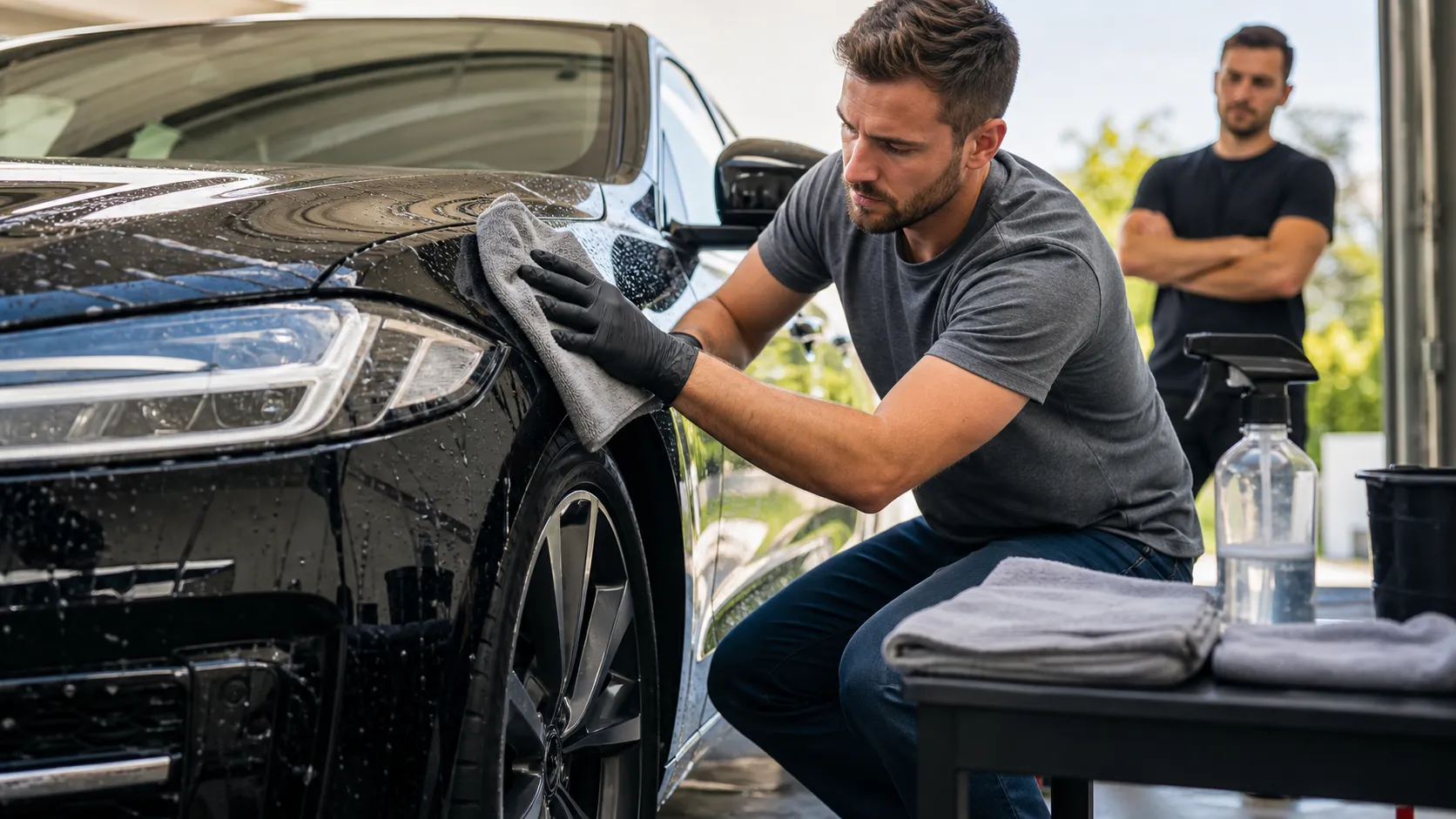
After installing paint protection film (PPF), allow a curing period of at least 48–72 hours before exposing your car to water, extreme temperatures, or washing. This helps the adhesive fully bond to the vehicle surface and prevents lifting or bubbles. During this time, avoid parking in direct sunlight or washing your car to maintain optimal film adhesion.
7.2 Proper Wash Techniques & Safe Products
To keep your PPF looking fresh and performing well:
– Use a mild, pH-neutral car wash soap instead of harsh detergents.
– Always rinse debris off gently using a soft microfiber cloth or sponge to avoid scratching.
– Avoid automated or high-pressure car washes that may damage the self-healing topcoat layer and edges.
– Regularly inspect the film for dirt buildup and clean with proper automotive detailing products designed for PPF.
7.3 Chemicals and Equipment to Avoid
Certain chemicals and cleaning tools can degrade or discolor PPF over time:
– Avoid acidic or alkaline cleaners, solvents, and abrasive compounds.
– Do not use harsh polishes or waxes not formulated explicitly for TPU films.
– Stay clear of scrubbing brushes or rough sponges that can scratch the surface.
– Avoid steam cleaning or pressure washers with excessive PSI near film edges to prevent peeling.
Following these simple steps ensures your car’s protective film retains its clarity, self-healing capabilities, and anti-yellowing properties for years, preserving the value and appearance of your vehicle. For detailed care tips on specific TPU and color PPF products, consult trusted manufacturers like CarlisePPF’s maintenance guidelines.
Debunking Common Myths About Car PPF
Myth 1: PPF Will Damage Your Factory Paint When Removed
Modern high-quality paint protection films, like the TPU-based products we offer at CarlisePPF, are designed with paint-safe adhesives. When removed properly, these films do not damage the factory paint underneath. The adhesive bonds securely but gently, ensuring clean removal without pulling or lifting the paint layer. The key is professional installation and removal, avoiding rushed or improper pulling that might harm your vehicle’s finish.
Myth 2: Paint Protection Film Always Turns Yellow and Cracks
This is an outdated concern tied to old generation films or low-quality materials. Today’s advanced TPU films feature anti-yellowing technology and robust UV/IR rejection properties that preserve clarity and flexibility for years. Our PPF lines come with self-healing topcoats that resist scratches and cracking, maintaining a near-invisible look over a 5-year warranty period. Proper maintenance and choosing premium factory-direct PPF are essential to avoid these issues.
Myth 3: New Cars Don’t Need Paint Correction Before PPF
Even brand-new cars can benefit from paint correction before applying PPF. Minor surface imperfections or factory blemishes can affect the final appearance and longevity of the film application. A smooth, flawless surface ensures optimal adhesion and enhances the visual clarity of the protective layer. Skipping paint correction risks trapping flaws under the film, reducing both protection and aesthetic quality.
For reliable, cutting-edge solutions, explore our full selection of high-performance paint protection film for cars crafted with precision materials and proven durability.
Why Choose CarlisePPF for Your Vehicle & Wholesale Protection Needs
Over 16 Years of Precision Thin-Film Manufacturing
CarlisePPF brings over 16 years of focused expertise in developing and producing high-quality paint protection films. Our deep knowledge of thin-film technology ensures every roll delivers advanced durability, self-healing properties, and consistent performance you can trust. As an integrated factory-direct manufacturer, we maintain strict quality control from raw material sourcing to finished product.
Complete Range of Clear, Matte, and Color TPU Films
We offer a versatile lineup of paint protection films to fit diverse styles and protection needs:
– Clear PPF: Invisible guard with anti-yellowing and UV/IR rejection
– Matte TPU Films: Smooth, glare-free finish ideal for modern styling
– Colored TPU Films: Bold options like Ferrari Red and Venice Purple that blend paint protection with striking color effects, enhancing vehicle appearance while safeguarding the surface
Explore our full colored film range for cars on our color PPF for car page.
Film TypeFinishCore BenefitWarrantyClear TPU PPFGlossy/InvisibleSelf-healing, UV protection5 YearsMatte TPU FilmMatteStylish look, anti-glare5 YearsColored TPU PPFGlossy/ColoredColor change + protection5 Years
Custom Solutions for Vehicle Owners, Detailers, and OEM Partners
CarlisePPF excels in providing OEM/ODM services including custom PPF kits tailored for specific vehicle models and private labeling for wholesale partners. Whether you’re a car owner looking for reliable protection or a detailing shop seeking bulk TPU rolls, our factory-direct service ensures competitive pricing and personalized support. Our expertise includes crafting pre-cut kits as well as bespoke film solutions to meet any protection requirement. Learn more about our custom TPU film manufacturing here.
Choosing CarlisePPF means securing long-lasting vehicle paint protection backed by industry-leading material innovation and manufacturing excellence.


 English
  Portuguese
  Spanish
  German
  French
  Hindi
Hindi