


You already know that protecting your vehicle’s factory paint is a smart investment…
But when it comes to choosing between ppf vs ceramic coating, the sheer amount of marketing hype, astronomical prices, and confusing terminology is enough to make anyone’s head spin.
What is the actual, functional difference? And more importantly, is spending thousands of dollars really justifiable for your specific car?
Well, you’re in for a treat because I’ve put together the ultimate, no-BS guide to finding the ground truth.
As industry experts with over 16 years of manufacturing experience at CarlisePPF, we know exactly what works, what fails, and what is simply an overpriced gimmick. In this post, you’re going to learn the honest differences between these two solutions, the real cost versus long-term ROI, and the exact “best of both worlds” strategy that high-end detailers actually use.
So if you’re looking to protect your ride without emptying your wallet on the wrong product, this guide is for you.
Let’s dive right in.
Explain Like I’m 5: PPF vs Ceramic Coating
We hear it all the time: what is the actual difference between PPF vs ceramic coating? At CarlisePPF, we believe in cutting through the noise and giving you the straight facts.
Think of Paint Protection Film (PPF) as a heavy-duty, impact-resistant screen protector for your phone. If a rock hits your bumper, this thick physical barrier takes the damage instead of your expensive factory paint.
On the flip side, a ceramic coating is like an ultra-durable Rain-X or a long-lasting, self-cleaning wax. It creates a slippery, hydrophobic surface where water, mud, and grime just slide right off.
The Great Rock Chip Myth
Let’s address a massive marketing misconception right now. Ceramic coatings do not prevent rock chips. While a high-quality ceramic coat gives your vehicle a flawless shine and makes washing a breeze, it is completely powerless against flying gravel. If you want true physical protection to prevent rock chips on your bumper, you need a physical film.
Quick The Actual Difference
| Feature | Paint Protection Film (PPF) | Ceramic Coating |
|---|---|---|
| Best Analogy | Heavy-duty phone screen protector | Long-lasting, high-tech liquid wax |
| Primary Superpower | Absorbs physical impacts (rocks, keys) | Repels water, dirt, and chemical stains |
| Stops Rock Chips? | Yes | No |
What is Paint Protection Film (PPF)?
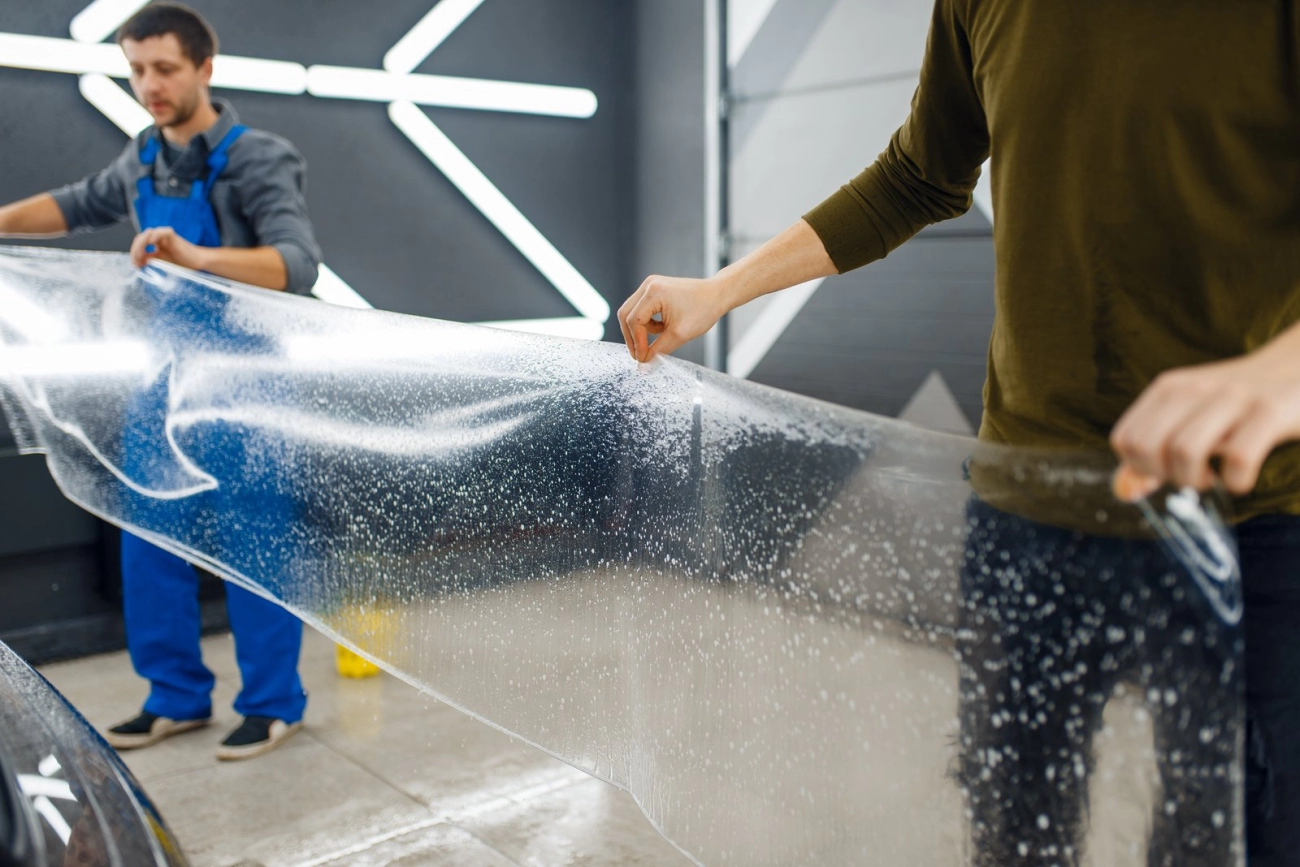
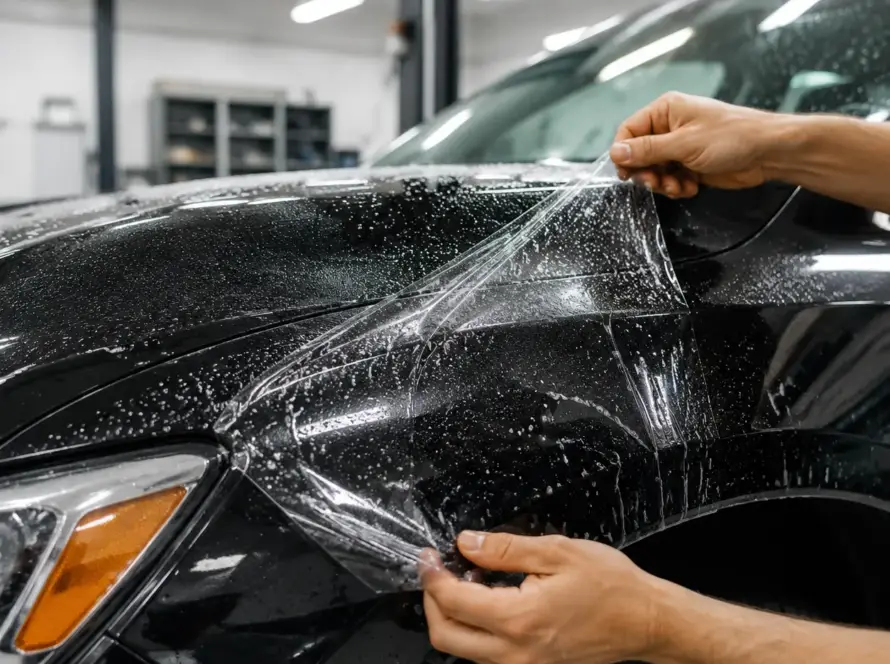
When evaluating PPF vs ceramic coating, you first need to understand the physical defense PPF brings to the table. Paint Protection Film is exactly what it sounds like: a robust, transparent, or colored physical barrier applied directly over your vehicle’s clear coat. High-quality films are engineered from thermoplastic polyurethane (TPU), a material known for its extreme flexibility, durability, and impact absorption.
Core Benefits of Premium PPF
PPF serves as the heavy armor for your daily commute. Here is exactly what a premium self-healing TPU film actively does for your car:
| Feature | Real-World Benefit |
|---|---|
| Physical Impact Resistance | The only proven way to prevent rock chips on bumper panels, hood strikes, and malicious key scratches. |
| Self-Healing Technology | Micro-scratches and swirl marks naturally vanish when the TPU is exposed to heat (sunlight, engine heat, or warm water). |
| UV Rejection | Acts as a dedicated anti-yellowing protection film, stopping harsh sunlight from oxidizing, degrading, or fading your factory paint. |
The CarlisePPF Advantage
We do not just sell film; we engineer it from the ground up. As a factory-direct manufacturer, we know standard films often fail the demands of the modern American driver. We utilize advanced Wet TPU technology to create products that outlast and outshine standard industry offerings.
Whether you need invisible protection for a high-value exotic or a complete style overhaul for your daily driver, we have the exact solution. Our lineup goes far beyond the standard clear bra. We manufacture glossy crystal, aggressive matte finishes, and aesthetic upgrades like our premium colored PPF formulated with Wet TPU, alongside highly realistic 2D carbon fiber. You get the rugged, physical defense of traditional PPF paired with the flawless, custom look of a high-end wrap.
What is a Ceramic Coating?
When customers ask me about PPF vs ceramic coating, I always start by explaining how the liquid side of car paint protection options works. A ceramic coating is a liquid polymer applied by hand directly to the exterior of your vehicle. Once applied, it chemically bonds with your factory paint’s clear coat.
Instead of just sitting on the surface like a traditional carnauba wax, it cures into a semi-permanent, hardened shield. Think of it as an invisible layer of glass that seals your paint from the daily elements. If you are actively weighing a ceramic coating vs PPF for your vehicle, understanding this chemical bonding process is key to knowing what you are actually paying for.
Core Benefits of a Hydrophobic Car Coating
While it will not stop a rock bouncing off the interstate at 70 mph, a ceramic coating dominates when it comes to keeping your daily driver relentlessly clean and glossy.
Here is exactly what a quality ceramic coating brings to the table:
| The Benefit | What It Actually Does for Your Car |
|---|---|
| Extreme Hydrophobicity | Water aggressively beads up and rolls away. Mud, road grime, and dirty rain slide right off the surface, making routine car washes effortless. |
| Candy-Like Gloss | Amplifies your paint’s natural depth, leaving behind a permanent “wet look” and a mirror-like finish that outlasts any wax or sealant. |
| Chemical Resistance | Acts as a sacrificial barrier against highly acidic bird droppings, bug splatter, and tree sap, stopping them from instantly etching into your clear coat. |
| UV Oxidation Defense | Delivers unbeatable car paint UV damage prevention. It blocks the harsh sun rays to stop your factory paint from fading, chalking, or looking dull over time. |
PPF vs Ceramic Coating: Which is Right for You?
If you are trying to figure out the best way to protect your paint, it ultimately comes down to your daily driving habits and your budget. To help you choose the best protective suit for your car, I’ve broken down the clear bra vs ceramic coat debate in the table below.
| Feature | Paint Protection Film (PPF) | Ceramic Coating |
|---|---|---|
| Primary Function | Physical barrier against damage | Chemical barrier for shine and easy cleaning |
| Lifespan | 5 to 10+ years | 2 to 5 years |
| Rock Chip Protection | Excellent (Absorbs impacts) | None |
| Water/Dirt Repellency | Moderate to High | Extreme (Hydrophobic car coating) |
| Cost | High ($$$) | Moderate ($$) |
| Maintenance | Low (Self-healing TPU film) | Moderate (Requires specific wash methods) |
When to Choose PPF
If you want true peace of mind on the road, PPF is the heavy hitter. I recommend investing in a self-healing TPU film if you fall into these categories:
- Highway Commuters: If you spend hours on the interstate, you need physical protection to prevent rock chips on bumper, hood, and mirror panels.
- Track-Day Enthusiasts: Keep flying rubber, debris, and exhaust soot from ruining your pristine paint job.
- Rural Drivers: Absolutely essential for anyone regularly driving on gravel, dirt, or heavily salted roads.
- High-Value Vehicles: Protect your auto detailing ROI and preserve the long-term vehicle resale value of luxury and exotic cars.
When to Choose Ceramic Coating
Not everyone needs a physical armor shield. A high-quality ceramic coat makes perfect sense for:
- City Drivers: Stop-and-go traffic and low-speed commutes mean significantly fewer flying rocks.
- Garage-Kept Cars: Perfect for weekend cruisers stored indoors and kept away from harsh weather.
- Budget-Conscious Owners: A much lower entry point compared to the overall paint protection film cost.
- The Gloss Chasers: If you prioritize a flawless, candy-like shine and effortless weekly washes over hardcore physical impact protection, this is your go-to option.
Cost-Benefit Analysis: PPF vs Ceramic Coating
When looking at the true auto detailing ROI, you have to look beyond the initial price tag. The real financial impact of PPF vs ceramic coating comes down to how long you plan to keep your vehicle and what you drive.
Long-Term Vehicle Resale Value
If you lease your vehicle or plan a trade-in down the road, dealership appraisers in the US will scrutinize your front end. Every rock chip, heavy scratch, and bug etching equals a direct deduction from your car resale value.
- Avoid lease penalties: A thick physical barrier prevents the daily wear and tear that leads to expensive reconditioning fees at the end of a lease term.
- Maximize trade-in value: Applying a reliable clear PPF car wrap entirely prevents dealership deductions for front-end damage. It preserves the factory clear coat flawlessly under a self-healing TPU film, keeping the car’s condition rating as high as possible.
The Commuter Car vs. The Exotic Car Reality
I always give our customers honest advice: the upfront paint protection film cost isn’t universally justified for every single car on the road.
- The Economy Commuter Car: If you drive an older budget daily driver, doing a full-body PPF wrap is overkill. Financially, it is usually cheaper to just pay a local body shop to repaint a pitted front bumper in five years rather than investing thousands into wrapping the whole car today. A simple ceramic spray or standard coating is often the better budget-friendly choice here to keep the car easy to wash.
- The Luxury or Exotic Car: If you just bought a brand-new sports car, a luxury SUV, or a high-end truck, the original factory paint is sacred. Repainting a damaged bumper on a high-value car creates mismatched panels and immediately flags the vehicle’s history report, tanking its value. For these vehicles, installing a physical barrier to prevent rock chips on the bumper and hood is an absolute necessity.
The “Best of Both Worlds”: Layering PPF and Ceramic Coating
When looking at the classic ppf vs ceramic coating debate, you don’t actually have to choose just one. If you browse auto detailing subreddits or talk to industry experts across the US, you will notice a growing trend: the hybrid approach.
To get the absolute best results, we highly recommend you combine PPF and ceramic coating into one complete package. This strategy gives you heavy-duty physical defense where it matters most, plus that slick, easy-to-wash shine everywhere else.
The Optimal Setup
Here is how we structure the ultimate car paint protection option:
- High-Impact Zones: We apply premium CarlisePPF to the areas taking the most abuse on the highway. This means wrapping the front bumper, hood, and side mirrors to physically block rock chips and road debris.
- Remaining Panels: We apply a high-quality ceramic coating to the doors, roof, and trunk for intense gloss, UV protection, and extreme water repellency.
- The Double Layer: For maximum slickness, we apply ceramic coating directly over the PPF. This makes the film completely hydrophobic, meaning water, bugs, and mud slide right off, making maintenance washes a breeze.
Why Automotive Professionals Trust CarlisePPF
When deciding on your setup in the PPF vs ceramic coating debate, the quality of the materials you choose makes all the difference. At CarlisePPF, we are more than just a brand; we are a dedicated factory-direct PPF manufacturer with over 16 years of experience engineering top-tier vehicle protection.
Auto detailing shops across the United States trust us because we build our products on a strict philosophy: “Empowering protection with technology.” Here is exactly what sets our manufacturing process apart:
- Proven Expertise: Over 16 years of factory-direct production ensures strict, consistent quality control on every single roll.
- Industry Integration: We provide comprehensive OEM and ODM services to help auto businesses scale their operations seamlessly.
- Guaranteed Durability: We stand behind our materials. We back our premium clear paint protection film with a rock-solid 5-Year Warranty, giving both installers and everyday drivers total peace of mind.
By controlling the production process from the factory floor to the final wrap, we deliver the exact reliability that automotive professionals need to maximize their auto detailing ROI.
Frequently Asked Questions (FAQs): PPF vs Ceramic Coating
Can I apply ceramic coating on top of PPF?
Absolutely. When you combine PPF and ceramic coating, you get the ultimate defense for your vehicle. We actually highly recommend this hybrid approach. The paint protection film (PPF) acts as the physical armor to prevent rock chips on your bumper, while the ceramic layer adds extreme water repellency and makes washing a breeze. Layering a hydrophobic car coating over your film is one of the best car paint protection options to maximize UV damage prevention and keep the surface slick.
Will PPF ruin my factory paint when removed?
No, it won’t. If your vehicle has its original factory paint, a premium self-healing TPU film will peel off cleanly without damaging the clear coat. Paint damage during removal typically only happens under two conditions: if the car had a cheap, low-quality aftermarket repaint, or if a low-grade film with aggressive adhesive was used. As a factory-direct PPF manufacturer, we engineer our adhesives to protect your factory finish from day one to the day you decide to take the film off.
How long do both products actually last in the real world?
When looking at ceramic coating lifespan vs PPF, real-world longevity depends heavily on your driving habits and whether the car is garage-kept.
- Ceramic Coatings: A professional-grade ceramic coat usually lasts 2 to 5 years. Keep in mind that a DIY ceramic spray vs professional application is night and day; off-the-shelf sprays might only buy you a few months of real protection.
- Paint Protection Film: A high-quality clear bra will easily last 5 to 10 years. Our premium lines, including our vibrant colored PPF wraps, are built with advanced anti-yellowing protection film technology. They are designed to withstand years of harsh American sun, road salt, and highway debris without cracking or fading.

 English
  Portuguese
  Spanish
  German
  French
  Hindi
Hindi