

What is Paint Protection Film (PPF)? The Ultimate Physical Armor
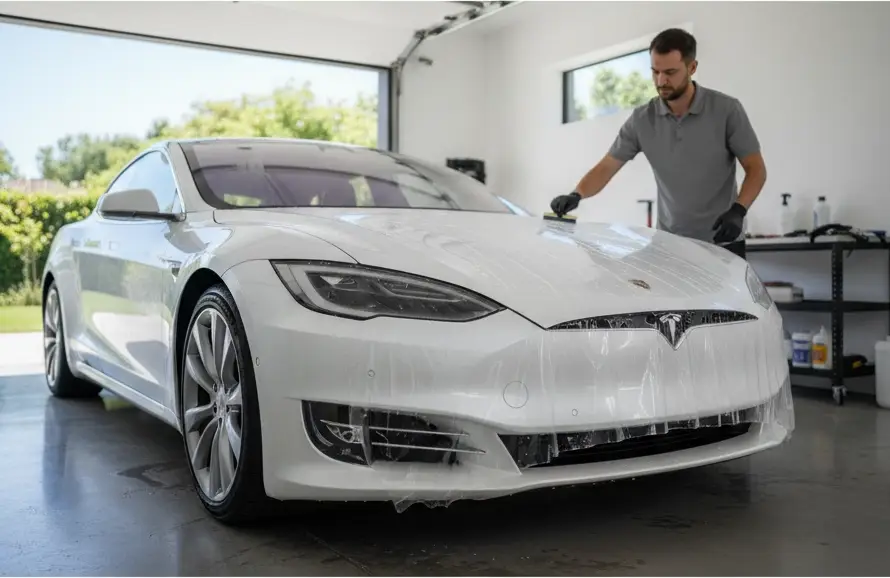
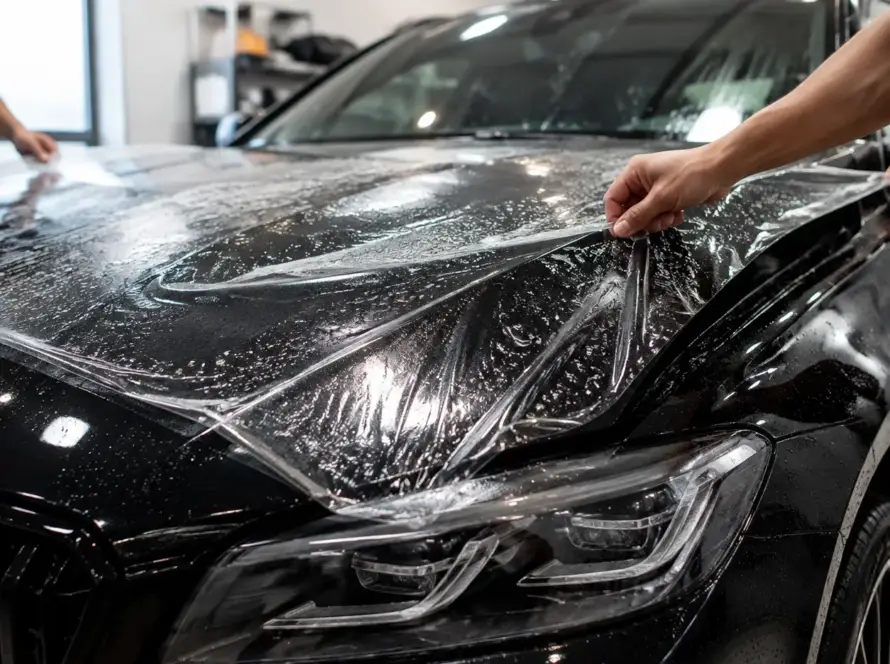
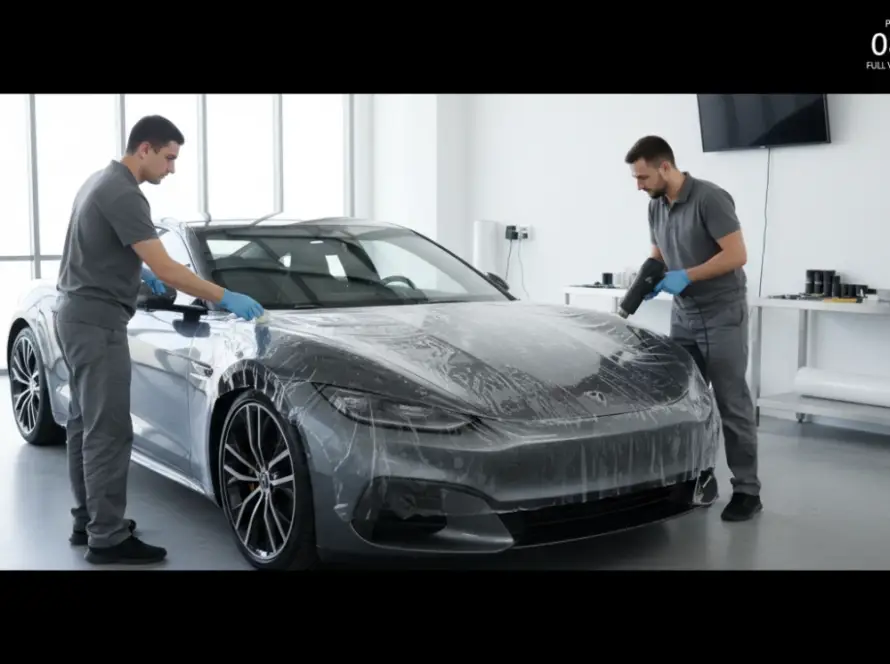
When trying to figure out the right path for ppf versus ceramic coating, the first thing I tell my clients is to think of PPF as a physical force field. A lot of car owners worry about rock chips, road debris, and stray shopping carts ruining their factory paint. While traditional auto detailing provides a great shine, Paint Protection Film (often associated with clear bra installation) is an actual, physical barrier engineered to take the damage so your clear coat doesn’t have to.
Material Breakdown: TPU vs PET/PVC
Not all films are built the same. As a manufacturer and installer, I always advise skipping the cheap plastics and investing in modern chemistry. The real magic of automotive clear coat protection lies in the material and its mil-thickness, which determines how much impact energy the film can absorb.
| Material Type | Composition & Quality | Impact Absorption |
|---|---|---|
| TPU (Thermoplastic Polyurethane) | The industry standard. Highly flexible, premium grade. | Excellent. Stretches to absorb heavy rock impacts. |
| PET / PVC | Outdated, cheap, rigid plastics. | Poor. Prone to cracking, peeling, and fading. |
Key Defensive Specs: Self-Healing TPU Film
Premium PPF does more than just sit on top of your paint; it actively maintains a pristine surface.
- True Self-Healing: Minor scratches, wash-induced swirl marks, and light abrasions disappear when the film is exposed to heat, such as sitting out in the hot summer sun or under a heat gun.
- Anti-Yellowing Technology: High-quality TPU includes advanced UV inhibitors. This prevents the film from hazing or turning yellow over time, ensuring your paint remains crystal clear.
- Extreme Scratch Resistance: Acts as a heavy-duty sacrificial layer against daily physical hazards that would otherwise dig deep into your paint.
Colored PPF Wrap: Aesthetic & Customization Power
If you want to completely change the look of your vehicle while keeping it bulletproof, a colored PPF wrap is the ultimate upgrade. Historically, if you wanted a new color, you had to settle for a thin vinyl wrap that offered zero physical defense. Today, colored PPF gives you the radical styling of a vinyl color change combined with the heavy-duty, self-healing protection of thick TPU film. You get an aggressive new look, and your underlying factory paint stays absolutely flawless.
What is a Ceramic Coating? The Chemical Force Field
We get a lot of questions from drivers looking for the ultimate auto paint sealant. At its core, a ceramic coating is a liquid polymer structure that chemically bonds with your vehicle’s factory paint. Instead of just sitting on top like a traditional wax, it cures to form a microscopic, semi-permanent layer of automotive clear coat protection.
The Hydrophobic Advantage
The biggest daily payoff of a quality hydrophobic car coating is the self-cleaning effect.
- Extreme Water Repellency: Rain, dirty road slush, and mud bead up and instantly roll off the surface.
- Nature Defense: It creates a slick, hardened barrier against sticky tree sap and acidic bird droppings.
- Effortless Maintenance: Routine car washes become incredibly fast. Dirt and grime simply cannot grip the treated paint, meaning a quick rinse does most of the heavy lifting.
The Hard Truth: Ceramic Coating Pros and Cons
Let’s clear the air and address the biggest myth in the auto detailing industry. While coatings are fantastic for high-gloss shine and chemical resistance, they are not physical armor.
- What it does: Prevents UV fading, chemical etching, and light swirl marks from routine washing.
- What it does NOT do: It will absolutely not stop rock chips, deep key scratches, rogue shopping carts, or parking lot door dings.
When we evaluate ppf versus ceramic coating for our customers, we always state the facts clearly: a microscopic chemical layer cannot absorb the impact of gravel hitting your front bumper at 75 mph on the highway. If your primary goal is to effectively prevent rock chips on your car, you need physical thickness and impact absorption, not just a chemical bond.
Head-to-Head Comparison: PPF versus Ceramic Coating
When weighing PPF versus ceramic coating, you need to look at exactly what your vehicle faces daily on American roads. Here is the honest breakdown of how these two solutions handle real-world driving hazards.
Scratch & Rock Chip Resistance
If your primary goal is to prevent rock chips on your car, Paint Protection Film is the undisputed winner. PPF is a thick, physical armor designed to absorb heavy impacts from highway gravel, road debris, and minor parking lot scrapes. A ceramic coating, on the other hand, is a microscopic liquid layer. It cannot and will not stop a flying rock or a deep key scratch.
UV Protection & Chemical Resistance
Both options deliver excellent automotive clear coat protection by blocking harsh UV rays and preventing your factory paint from fading. However, when looking at ceramic coating pros and cons, chemical resistance is where the liquid polymer truly excels. The slick, highly hydrophobic surface of a coating aggressively repels acidic bird droppings, bug splatter, and harsh winter road salts, preventing them from etching into the paint faster than film can.
Longevity & Warranties
Ceramic coating longevity typically ranges from 2 to 5 years before the chemical bond breaks down and requires complete reapplication. In contrast, premium polyurethane films are built for the long haul. By investing in a high-quality clear 7.5mil PPF, you secure an extended lifespan that can last up to 10 years without yellowing, cracking, or peeling.
Quick Comparison Table
| Feature | Paint Protection Film (PPF) | Ceramic Coating |
|---|---|---|
| Rock Chip Defense | Excellent (Absorbs physical impacts) | None (Too thin to stop debris) |
| Scratch Resistance | High (Features self-healing TPU) | Low (Only prevents light wash marring) |
| Chemical Resistance | Good | Excellent (Repels acids, sap, and bugs) |
| Lifespan | 7–10+ Years | 2–5 Years |
The Financial Angle: Cost-Benefit & Long-Term Resale Value
Upfront Costs vs. Long-Term Savings
When comparing ppf versus ceramic coating, the numbers speak for themselves. We see it every day: the upfront car PPF cost is undeniably higher than applying a liquid polymer. However, a real-world cost-benefit analysis of PPF vs Coating reveals massive long-term savings.
Over a typical 5 to 7-year ownership cycle, relying solely on a coating leaves your car vulnerable to physical damage. Paint protection film acts as a sacrificial layer, saving you thousands of dollars in repainting costs and trips to the body shop by physically absorbing the heavy hits from highway rock chips and road debris.
Protecting Vehicle Resale Value
Original factory paint is the absolute gold standard when it comes time to trade in or sell your car. Keeping that paint pristine keeps your appraisal at its absolute peak.
- Avoid Repainting Penalties: Dealerships deduct heavy value for repainted panels, as they almost always signal past accidents or severe wear.
- Lock in Flawless Condition: A physical TPU barrier stops the deep scratches and door dings that crush trade-in offers.
- Maximize Returns: Strong vehicle resale value protection means private buyers and dealers are willing to pay top dollar for a factory-original finish.
For maximizing your long-term vehicle resale value, investing in high-quality paint protection film before you hit the road is the smartest financial move you can make.
Can You Combine PPF and Ceramic Coating?
Yes, you absolutely can. If you are weighing ppf versus ceramic coating, you do not actually have to pick just one. Combining both technologies delivers the ultimate automotive clear coat protection. Here is how we usually set this up for our customers to get the best of both worlds.
The Middle Ground Strategy
This is the most practical approach if you want to manage your overall paint protection film cost without sacrificing daily drivability.
- High-Impact Zones: We focus on a targeted clear bra installation on the front bumper, hood, fenders, and side mirrors. This absorbs the heavy physical damage from highway rock chips and road debris.
- The Rest of the Car: We apply a high-quality ceramic coating to the doors, roof, and rear. You get heavy-duty defense exactly where you need it, plus a glossy, easy-to-wash surface everywhere else.
Stacking Protections
For maximum long-term vehicle resale value, you can combine PPF and ceramic by directly layering them.
- The Foundation: A full self-healing TPU wrap acts as your physical armor.
- The Top Coat: A ceramic layer goes right over the top of the film.
- The Result: You get impenetrable scratch resistance paired with a slick, hydrophobic car coating that repels mud, water, and grime instantly.
Making Your Decision: PPF Versus Ceramic Coating
When we help our customers choose the best paint protection for new cars, the decision always comes down to daily driving habits, goals, and budget. Here is the bottom line to help you make the right call for your vehicle.
Quick Decision Guide
| Factor | Choose Paint Protection Film (PPF) | Choose Ceramic Coating |
|---|---|---|
| Driving Environment | Interstate commutes, gravel roads, track days | Low-speed city driving, short local trips |
| Main Goal | Ultimate impact protection & scratch defense | High gloss shine & effortless car washes |
| Budget | Higher upfront paint protection film cost | Lower overall PPF vs ceramic coating cost |
| Best For | High-value vehicles & factory paint preservation | Budget-conscious owners needing an auto paint sealant |
Choose PPF If:
- You Commute on Highways: Driving at high speeds means flying debris is unavoidable. PPF is the only reliable way to physically absorb impacts.
- You Drive on Gravel: Keep your lower doors and rocker panels safe from constant abrasive sandblasting.
- You Own a High-Value Vehicle: Preserving a flawless factory clear coat is the easiest way to protect your long-term resale value.
- You Want a Custom Look: If you want to change your car’s aesthetic while adding heavy-duty armor, upgrading to a high-quality colored PPF film gives you the visual flair of a vinyl wrap with the defensive power of TPU.
Choose Ceramic Coating If:
- You Drive Strictly in the City: Stop-and-go, low-speed traffic significantly lowers the risk of serious rock chips and deep scratches.
- You Prioritize a Glossy Shine: Nothing beats the deep, wet-look finish that a chemical polymer layer adds to your paint.
- You Want an Easy Wash Routine: The intense hydrophobic properties mean dirt, mud, and water slide right off with minimal effort.
- You Are on a Budget: It delivers fantastic chemical and UV resistance at a much lower price point than wrapping the entire car in film.
Why Source Premium Protection from CarlisePPF?
No matter where you stand in the PPF versus ceramic coating debate, the quality of the materials you apply dictates the final result. At CarlisePPF, we operate as a fully integrated manufacturer. That means when you work with us, you cut out the middleman entirely.
Here is what our factory-direct advantage brings to your auto detailing or distribution business:
- Unbeatable B2B Wholesale Pricing: Securing the best paint protection for new cars shouldn’t destroy your budget. We provide true factory-direct pricing to maximize your profit margins on every clear bra installation or auto paint sealant job in the competitive US market.
- Custom OEM/ODM Capabilities: Whether you need a standard
Here is what our factory-direct advantage brings to your auto detailing or distribution business:
- Unbeatable B2B Wholesale Pricing: Securing the best paint protection for new cars shouldn’t destroy your budget. We provide true factory-direct pricing to maximize your profit margins on every clear bra installation or auto paint sealant job in the competitive US market.
- Custom OEM/ODM Capabilities: Whether you need a standard self-healing TPU film or customized colored PPF, we manufacture precisely what your brand demands. Discover exactly [why our industry partners choose us](
Here is what our factory-direct advantage brings to your auto detailing or distribution business:
- Unbeatable B2B Wholesale Pricing: Securing the best paint protection for new cars shouldn’t destroy your budget. We provide true factory-direct pricing to maximize your profit margins on every clear bra installation or auto paint sealant job in the competitive US market.
- Custom OEM/ODM Capabilities: Whether you need a standard self-healing TPU film or customized colored PPF, we manufacture precisely what your brand demands. Discover exactly why our industry partners choose us for scalable, tailored manufacturing solutions.
- Proven Global Trust: We don’t just supply local shops; we manufacture and ship premium automotive clear coat protection to over 80 countries worldwide. Navigating international logistics is our specialty, and our streamlined export operations ensure your bulk supplies arrive at your American warehouse seamlessly and on time.
Stop paying heavy markups to distributors. Source directly from the manufacturer to secure the most competitive pricing, relentless quality control, and reliable supply lines for your business.

 English
  Portuguese
  Spanish
  German
  French
  Hindi
Hindi