

You’ve likely heard that a ppf car wrap is the ultimate shield for your vehicle…
But is it worth the investment over a standard vinyl wrap?
As an industry insider, I know the terminology can be confusing.
Some drivers want pure aesthetics.
Others demand heavy-duty rock chip protection.
But in 2025, you don’t have to choose between the two.
In this guide, you’re going to learn exactly how modern TPU paint protection works, the rise of colored PPF, and how to spot premium quality like carliseppf.
Let’s dive right in.
What Is PPF and How Does It Work as a “Car Wrap”?
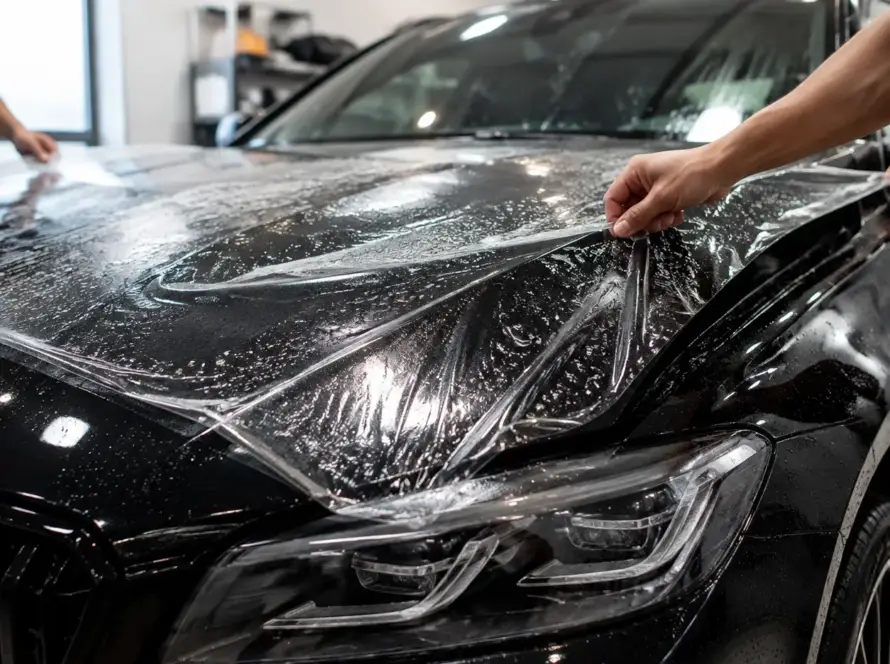
You’ve probably heard the term “wrap” thrown around loosely in the auto world, but a PPF car wrap is a completely different beast than your standard color-change vinyl. When I talk to clients about paint protection film (PPF), I describe it as an invisible suit of armor for your vehicle. It isn’t just about looks; it is about preserving the factory finish that you paid a premium for.
The Science: TPU Paint Protection vs. Vinyl
At the core of every high-quality film we use is TPU paint protection (Thermoplastic Polyurethane). Unlike vinyl, which can be brittle and thin, TPU is an elastomeric polymer. This means it is designed to absorb impact. When a rock hits a vinyl wrap, it tears. When a rock hits a TPU vehicle paint shield, the material absorbs the energy and bounces back.
Here is why TPU is the superior choice for protection:
- Self-Healing Car Wrap Capabilities: This is the feature that blows people’s minds. The top coat of our film is designed to re-flow when exposed to heat. Swirl marks, fine scratches, and abrasion literally disappear under the sun or warm water.
- Hydrophobic Car Film Properties: We engineer these films to repel water. Dirt, grime, and bird droppings have a hard time sticking, making washing your car significantly easier.
- UV Resistance & Clarity: High-grade aliphatic TPU prevents the film from yellowing (a common issue with cheap PVC films) and ensures 99% optical clarity, so your paint’s true metallic flake shines through.
The “Wrapping” Process
While the material is different, the application method is why we call it a “wrap.” We take this transparent, durable film and stretch it over every curve of your vehicle’s body panels. A professional installation involves tucking the edges around the hood, fenders, and doors to create a seamless finish. The goal is simple: you shouldn’t know it’s there. It is the ultimate invisible defense.
Key Takeaway
If you are looking for style alone, vinyl is fine. But if you want a self-healing car wrap that actually protects your investment from road debris, chemical stains, and UV damage, PPF is the only real solution.
Would you like me to draft the next section covering “PPF vs. Vinyl Wrap: Key Differences and When to Choose Each”?
PPF vs. Vinyl Wrap: Key Differences and When to Choose Each
It is the most common debate in the automotive aftermarket: PPF car wrap versus standard vinyl. While both films change the look of your vehicle, they serve fundamentally different purposes. Vinyl is thin and designed for aesthetics; PPF is thick and engineered for combat against road debris.
Here is a quick breakdown to help you decide:
Comparison: PPF vs. Vinyl
| Feature | PPF (Paint Protection Film) | Vinyl Wrap |
|---|---|---|
| Primary Purpose | Protection (Impact resistance) | Aesthetics (Color change/Style) |
| Material | TPU (Thermoplastic Polyurethane) | PVC (Polyvinyl Chloride) |
| Thickness | 6–10 mils (Heavy-duty) | 2–4 mils (Paper-thin) |
| Self-Healing | Yes (Heat heals scratches) | No |
| Lifespan | 7–10+ Years | 3–5 Years |
| Protection Level | High (Stops rock chips, scratches) | Low (Light abrasion only) |
Why Choose PPF? (The Shield)
If your main goal is preserving your car’s factory finish, paint protection film is the only real option. We utilize aliphatic TPU paint protection because it offers distinct advantages:
- Impact Resistance: It is thick enough to absorb the energy from flying rocks, preventing chips that lead to rust.
- Self-Healing Properties: Swirl marks and light scratches disappear with heat (sunlight or hot water).
- Resale Value: By keeping the original paint pristine under a vehicle paint shield, you maintain the car’s highest possible value.
When to Choose Vinyl (The Style)
Vinyl is strictly for cosmetic changes or commercial branding. It allows you to change your car from gloss black to matte orange for a fraction of the cost of a paint job. However, because it is made of PVC, it is brittle. It offers zero rock chip protection and will tear upon impact.
The Hybrid Solution: Colored PPF
For years, car owners had to choose between the protection of clear bra and the custom look of vinyl. That has changed. We now offer a “hybrid” solution: Colored PPF wrap.
This technology utilizes the same thick, self-healing TPU base found in clear film but infuses it with high-end pigments. This means you get the stunning aesthetic of a color change with the heavy-duty durability of a self-healing car wrap. You can explore our colored PPF film series to see how we combine dry-application ease with wet-application protection, giving you the best of both worlds without compromising on safety.
Benefits of Choosing a PPF Car Wrap
investing in a PPF car wrap isn’t just about vanity; it is the single most effective way to preserve your vehicle’s condition in the harsh reality of American roads. Whether you are driving a daily commuter or a weekend sports car, the road throws a lot at you—literally.
Here is why applying automotive protection film is a smart move for your asset:
- Daily Defense: Your paint is constantly under attack from road debris, gravel, and salt. A vehicle paint shield absorbs the impact of rocks that would otherwise chip your paint. It also creates a barrier against chemical stains from bird droppings, bug splatter, and tree sap.
- Long-Term ROI: Factory paint is one of the biggest factors in resale value. By keeping the original coat flawless, you avoid expensive repainting costs and command a higher price when it’s time to sell.
- Aesthetic Versatility: You are not limited to clear film. You can choose a matte PPF finish for a modern “stealth” look * Daily Defense: Your paint is constantly under attack from road debris, gravel, and salt. A vehicle paint shield absorbs the impact of rocks that would otherwise chip your paint. It also creates a barrier against chemical stains from bird droppings, bug splatter, and tree sap.
- Long-Term ROI: Factory paint is one of the biggest factors in resale value. By keeping the original coat flawless, you avoid expensive repainting costs and command a higher price when it’s time to sell.
- Aesthetic Versatility: You are not limited to clear film. You can choose a matte PPF finish for a modern “stealth” look or even a colored PPF wrap. For example, our [purple paint protection film](https://www.carl* Daily Defense: Your paint is constantly under attack from road debris, gravel, and salt. A vehicle paint shield absorbs the impact of rocks that would otherwise chip your paint. It also creates a barrier against chemical stains from bird droppings, bug splatter, and tree sap.
- Long-Term ROI: Factory paint is one of the biggest factors in resale value. By keeping the original coat flawless, you avoid expensive repainting costs and command a higher price when it’s time to sell.
- Aesthetic Versatility: You are not limited to clear film. You can choose a matte PPF finish for a modern “stealth” look or even a colored PPF wrap. For example, our purple paint protection film allows you to change your car’s color completely while maintaining the thick, protective benefits of TPU.
Why Carliseppf Stands Out
We don’t settle for generic films. At Carliseppf, we engineer our TPU paint protection with specific advantages designed for longevity and performance.
| Feature | The Carliseppf Advantage |
|---|---|
| Material Composition | Aliphatic TPU prevents yellowing and ensures durability. |
| Self-Healing | Minor scratches and swirls vanish with heat application. |
| Nano-Ceramic Integration | Built-in hydrophobic properties mean you don’t need extra coatings. |
| Clarity | Industry-leading 99.3% clarity ensures your paint shines through without distortion. |
By combining a self-healing car wrap with advanced ceramic technology, we ensure your vehicle looks freshly detailed every day, with minimal effort on your part.
Would you like me to detail the specific cost breakdown for different vehicle sizes in the next section?
Types of PPF Coverage Options and 2026 Cost Estimates
Choosing the right ppf car wrap coverage isn’t just about budget; it’s about how you use your vehicle. Whether you are driving a daily commuter in the suburbs or taking a sports car to the track, we customize protection levels to match exposure risks. Here is how the coverage breaks down in the current US market.
Popular Coverage Packages
- Partial Front Coverage: This is the entry-level “clear bra installation.” It covers the front bumper, headlines, and the first 18-24 inches of the hood and fenders. It protects the most vulnerable leading edges from rock chip protection but leaves a visible line across the hood.
- Full Front Coverage: The most popular choice for 2026. This creates a seamless vehicle paint shield across the entire hood, front bumper, front fenders, and side mirrors. There are no visible edges, keeping the front end pristine.
- Track Package / High Impact: Designed for highway warriors and track enthusiasts. This builds on the Full Front by adding protection to rocker panels, A-pillars, and the splash areas behind rear wheels where rubber and debris hit hardest.
- Full Vehicle Coverage: The ultimate solution. Every painted surface of the car is wrapped. This is ideal for matte conversions or protecting high-value exotics to maximize resale value.
Estimated Cost Breakdown (2026 Market Rates)
Pricing varies heavily by location and shop reputation, but these ranges give you a solid baseline for budgeting.
| Coverage Level | Sedan / Coupe | SUV / Truck | Exotic / Sports Car |
|---|---|---|---|
| Partial Front | $900 – $1,200 | $1,000 – $1,400 | $1,200 – $1,600 |
| Full Front | $1,800 – $2,400 | $2,000 – $2,600 | $2,500 – $3,500 |
| Full Vehicle | $5,000 – $7,000 | $6,000 – $8,500 | $7,000 – $10,000+ |
Factors Influencing the Price
The sticker price isn’t just about square footage. Several variables drive the cost of a full front PPF cost or complete wrap:
- Vehicle Complexity: Cars with aggressive curves, massive grills, or complex vents (like a Corvette or Civic Type R) require more labor and skill than a flat-paneled Tesla.
- Film Quality: Not all film is created equal. Premium aliphatic TPU offers self-healing and anti-yellowing properties that cheaper PVC films lack. Sourcing from reliable TPU film suppliers ensures you are paying for material that lasts 10+ years, not just a clear sticker.
- Paint Correction: Before we lay down the film, the paint must be perfect. Any swirl mark left underneath is locked in permanently. Most high-end quotes include a stage of polishing prep.
What Should You Do Next?
If you are unsure which package fits your driving habits, start with a Full Front coverage. It offers the best balance of protection and cost for 90% of drivers on US roads.
Colored PPF: The 2026 Trend Combining Style and Protection
Gone are the days when you had to choose between a custom color and actual paint protection. In 2026, the industry is shifting heavily toward colored PPF wrap. We are seeing a massive surge in demand for unique styling options—from deep metallic purples to vibrant glossy red finishes—that serve as a genuine shield for your vehicle.
Benefits of Colored PPF Over Standard Vinyl
Traditional vinyl wraps are primarily aesthetic; they are made of thin PVC that offers little resistance to road debris. Colored PPF is a game-changer because it uses a robust TPU paint protection base. This means you get the stunning look of a color change with the heavy-duty impact resistance of a clear bra.
Here is why upgrading to a TPU-based color film is the smarter investment:
- Real Impact Protection: Unlike vinyl, which tears easily, colored PPF prevents rock chips and scratches from reaching your paint.
- Self-Healing Properties: Swirl marks and light scratches disappear with heat, keeping the finish flawless.
- Superior Depth: The clear coat layer on PPF provides a depth of gloss (or flat matte) that standard vinyl cannot match.
The Carliseppf Advantage: True TPU Technology
At Carliseppf, we engineer our films to withstand the harsh US climate. Our colored PPF series is built with True TPU and features an integrated ceramic PPF series topcoat. This advanced composition ensures the film is hydrophobic, repelling water and dirt instantly, while our anti-yellowing film technology prevents the color from fading or shifting under UV exposure.
| Feature | Standard Vinyl Wrap | Carliseppf Colored PPF |
|---|---|---|
| Material Base | PVC (Polyvinyl Chloride) | Aliphatic TPU |
| Thickness | ~3–4 mil (Thin) | ~7.5–8 mil (Thick) |
| Durability | Prone to ripping/fading | High Impact Resistance |
| Lifespan | 2–3 Years | 7–10 Years |
Next Step: Are you interested in seeing a swatch sample of our colored PPF to compare the thickness and finish against standard vinyl?
Technical Specs: What Makes Premium PPF Stand Out
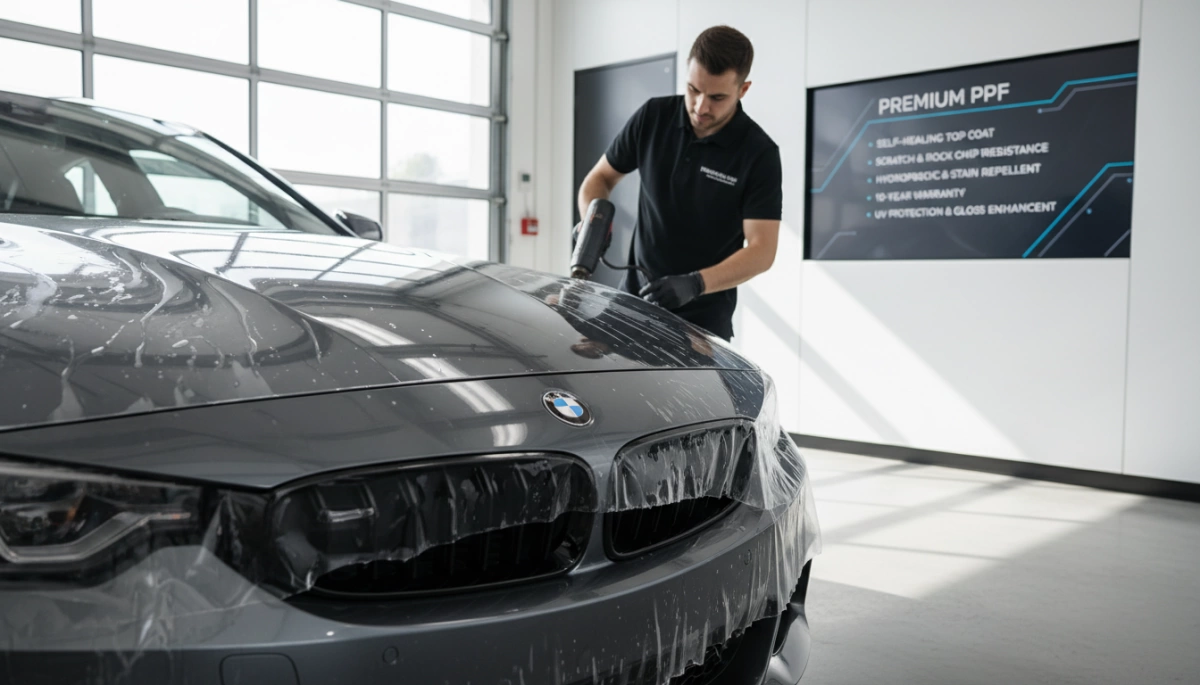
When you are looking for a ppf car wrap, it is easy to get lost in the marketing fluff. However, the real difference between a film that fails in two years and one that lasts a decade lies in the material science. As a manufacturer, I can tell you that the core of any premium film is Aliphatic TPU. Unlike cheaper aromatic plastics used in lower-grade films, Aliphatic TPU is chemically stable against UV radiation. This is what creates a true anti-yellowing film, ensuring your white Porsche doesn’t turn beige after a summer in the sun.
To truly understand what you are paying for, you need to look at the metrics. We focus on film thickness (mils) and shear resistance. A standard vehicle paint shield might be 6 mils thick, but for real impact protection against highway debris, you want a sweet spot between 7.5 and 8 mils. For extreme heavy-duty use, we even push towards 10 mils.
Here is a breakdown of how premium specs compare to standard market films:
| Feature | Standard Vinyl/Cheap PPF | Premium TPU Paint Protection |
|---|---|---|
| Base Material | PVC or TPH | Aliphatic TPU (Thermoplastic Polyurethane) |
| Thickness | 3–5 mils | 7.5–10 mils |
| Clarity | High orange peel | Optical clarity (99.3%+) |
| Hydrophobic | Requires wax/coating | Integrated Nano-ceramic Top Coat |
| Lifespan | 2–3 Years | 7–12 Years |
Hydrophobic Ratings and Stain Resistance
The top coat is where the magic happens for your daily maintenance. A high-quality hydrophobic car film doesn’t just repel water; it creates a surface tension that prevents contaminants from bonding. This means bird droppings, bug splatter, and road tar wipe off with minimal effort. Our premium clear 7.5mil PPF utilizes a covalent bond nano-coating, which is far superior to films that just have a silicone layer sprayed on top. This integrated technology ensures the film remains stain-resistant even after years of washing.
The Advantage of Factory-Direct Brands
There is a massive value gap in the current market. Big-name brands have huge markups to cover marketing and distribution layers. By opting for factory-direct pricing, you are paying for the material science, not the billboard ads.
We control the entire manufacturing process (Aliphatic TPU), ensuring rigorous quality control standards at every stage. Whether you need bulk rolls for distributors or specific cuts, dealing directly with the source guarantees you get the freshest adhesive and the latest technology.
- OEM/ODM Services: We customize specs for specific regional climates.
- Global Logistics: We handle the global shipping and logistics to get the film to your shop efficiently.
- Transparency: You know exactly what resin and top coat are on your car.
Understanding what constitutes the best PPF film comes down to these hard specs—thickness, chemical stability, and the integrity of the manufacturer.
Installation Process and Aftercare for Your PPF Car Wrap
Getting a PPF car wrap is a significant investment in your vehicle’s future, but the film is only as good as the installation and the care it receives afterward. We often see great material wasted by poor application or neglect. To ensure you get the full 10-year lifespan out of our aliphatic TPU, here is what you need to know about the process and maintenance.
Professional Application vs. DIY Attempts
While I admire the DIY spirit, clear bra installation is rarely a job for beginners. High-quality TPU relies on specific tension, heat, and moisture control to adhere correctly without stretch marks or lift lines. A professional installer understands how to navigate complex curves and tuck edges so the film becomes invisible.
If you are a shop owner or distributor, you know that using pre-cut software compatibility is vital for efficiency, but hand-cutting is often needed for custom coverage. You can explore our applications and service capabilities to better understand the precision required for a seamless finish. We strongly recommend professional installation to ensure the warranty remains valid and the finish looks like factory paint.
Maintenance Best Practices
Once your automotive protection film is installed, how you wash your car matters. The goal is to prevent swirling and let the self-healing car wrap properties do their job.
- Wait 7 Days: Do not wash the vehicle for at least a week after installation to let the adhesive fully cure.
- The Two-Bucket Method: Use one bucket for soap and one for rinsing your mitt to avoid dragging dirt across the film.
- Avoid Automatic Car Washes: The stiff bristles in automatic tunnels can mar the surface of even the toughest paint protection film. Touchless washes are generally safer but often use harsh acids that can degrade the film over time.
- Remove Contaminants Immediately: Bird droppings and bug splatter are acidic. While our film is stain-resistant, leaving these on for weeks under the hot sun can eventually etch the surface.
Maximizing Longevity with Ceramic Topcoats
Many of our customers ask about layering protection. While our PPF is naturally hydrophobic, adding a ceramic layer on top creates the ultimate barrier. This makes cleaning effortless and adds an intense gloss. It essentially acts as a sacrificial layer for the film itself.
Understanding the interaction between ceramic coating vs. PPF helps you choose the right maintenance routine. A ceramic topper prevents road tar and industrial fallout from sticking to the TPU pores, ensuring your vehicle paint shield remains clear and non-yellowing for years to come.
Is a PPF Car Wrap Worth the Investment?
Let’s get down to brass tacks. Is spending money on a PPF car wrap a smart financial move, or just an expensive accessory? As someone deeply embedded in the industry, I see the aftermath of “naked” cars versus protected ones every day. The answer almost always comes down to how much you value your vehicle’s condition and future resale price.
Real-World Protection: Highway vs. City
If you are commuting on the interstate or navigating tight urban parking lots, your paint is constantly under attack.
- Highway Driving: At 70 mph, a tiny pebble becomes a bullet. Rock chip protection is the primary reason our US customers invest in film. I’ve seen 5-year-old daily drivers peel off their film to reveal pristine paint underneath, looking exactly like it did on the showroom floor.
- Urban Parking: In the city, it’s about door dings and bumper scuffs. A thick TPU automotive protection film acts as a sacrificial barrier, absorbing impacts that would otherwise chip your clear coat.
Resale Impact: Preserving Factory Paint
Car paint preservation is directly tied to your wallet when it comes time to sell or trade-in. Original factory paint always commands a premium. Savvy buyers and dealerships use paint depth gauges; if they detect repainted panels due to previous damage, the vehicle’s value drops significantly. A documented history of PPF coverage proves the car was cared for, often recouping a large chunk of the initial installation cost during resale.
The Math: Repainting vs. Prevention
High-quality bodywork in the US is expensive. A proper respray of a hood and bumper—blended to match the fenders—can easily exceed the price of a standard clear bra package.
When you look at the numbers, the comprehensive car PPF cost is essentially an insurance policy for your exterior. You pay upfront to avoid the massive depreciation hit and expensive paint correction bills down the road. For anyone planning to keep their car for more than a few years, the ROI is undeniable.
Would you like me to create the FAQ section next to address common concerns about installation time and warranty coverage?
Frequently Asked Questions About PPF Car Wraps
As a supplier and manufacturer in the industry, I hear a lot of the same questions from both vehicle owners and shop installers. Here is a breakdown of what you need to know before committing to a PPF car wrap.
How much does a professional PPF installation cost?
The price varies significantly based on vehicle size and the coverage package. For a high-quality clear bra installation covering the “Full Front” (bumper, hood, fenders, mirrors), expect to pay between $1,500 and $2,500 in the US market. A full vehicle coverage package typically ranges from $5,000 to $9,000. Factors influencing the price include the complexity of the body panels and the labor rates in your area. For businesses, we offer factory-direct pricing to help manage these costs on the material side.
Is PPF the same as a vinyl wrap?
No, they serve different primary purposes. Paint protection film (PPF) is a thicker (usually 8-10 mils), transparent or colored polyurethane material designed specifically for impact resistance and rock chip protection. Vinyl is thinner and primarily used for aesthetic color changes. If you are strictly looking for a cosmetic
The price varies significantly based on vehicle size and the coverage package. For a high-quality clear bra installation covering the “Full Front” (bumper, hood, fenders, mirrors), expect to pay between $1,500 and $2,500 in the US market. A full vehicle coverage package typically ranges from $5,000 to $9,000. Factors influencing the price include the complexity of the body panels and the labor rates in your area. For businesses, we offer factory-direct pricing to help manage these costs on the material side.
Is PPF the same as a vinyl wrap?
No, they serve different primary purposes. Paint protection film (PPF) is a thicker (usually 8-10 mils), transparent or colored polyurethane material designed specifically for impact resistance and rock chip protection. Vinyl is thinner and primarily used for aesthetic color changes. If you are strictly looking for a cosmetic style overhaul without the heavy-duty road defense, exploring our [car vinyl wrap film](https://www.carlThe price varies significantly based on vehicle size and the coverage package. For a high-quality clear bra installation covering the “Full Front” (bumper, hood, fenders, mirrors), expect to pay between $1,500 and $2,500 in the US market. A full vehicle coverage package typically ranges from $5,000 to $9,000. Factors influencing the price include the complexity of the body panels and the labor rates in your area. For businesses, we offer factory-direct pricing to help manage these costs on the material side.
Is PPF the same as a vinyl wrap?
No, they serve different primary purposes. Paint protection film (PPF) is a thicker (usually 8-10 mils), transparent or colored polyurethane material designed specifically for impact resistance and rock chip protection. Vinyl is thinner and primarily used for aesthetic color changes. If you are strictly looking for a cosmetic style overhaul without the heavy-duty road defense, exploring our car vinyl wrap film collection might be the right alternative. However, for true preservation, TPU paint protection is superior.
How long does the film last?
Premium automotive protection film, specifically those made with Aliphatic TPU, typically lasts anywhere from 5 to 10 years. Our Carliseppf series comes with extended warranties covering issues like yellowing, cracking, or peeling. The longevity relies heavily on proper aftercare and whether the car is garage-kept.
Can I order bulk rolls for my shop?
Absolutely. We specialize in wholesale paint protection film and provide bulk rolls for distributors across the globe. We offer OEM/ODM services allowing you to customize specifications like film thickness (mils) and adhesive strength. Our global shipping and logistics team ensures that whether you need a single roll or a container, the product arrives ready for pre-cut software compatibility.
Does the “self-healing” feature really work?
Yes. The top coat of high-quality PPF is elastomeric. When exposed to heat (sunlight, hot water, or a heat gun), the polymer chains realign, effectively erasing fine swirl marks and light scratches. This keeps the vehicle paint shield looking glossy and new without constant polishing.

 English
  Portuguese
  Spanish
  German
  French
  Hindi
Hindi