

How PPF Works: Science and Multi-Layer Architecture
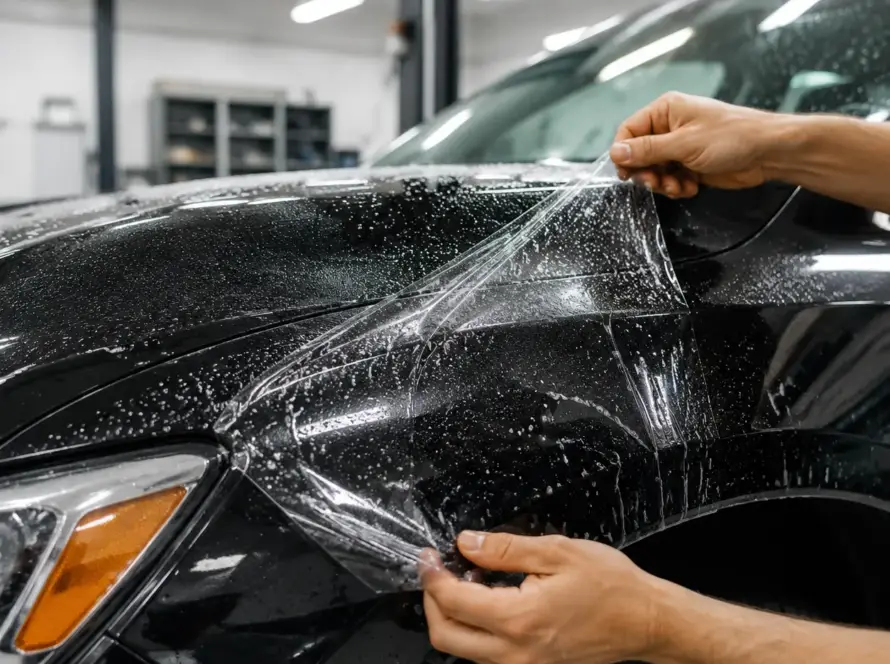
If you are asking what about ppf makes it the gold standard in automotive paint preservation, the secret lies in advanced materials science. Our paint protection film uses a multi-layer design to create an invisible, heavy-duty barrier between your vehicle’s factory paint and everyday road hazards.
Multi-Layer Breakdown
Our film relies on a four-layer architecture engineered for maximum durability and optical clarity:
- Release Liner: Protects the adhesive layer and maintains surface purity prior to installation.
- High-Tack Acrylic Adhesive: Formulated for seamless optical clarity, preventing edge-lifting while allowing clean removal without damaging factory paint.
- Impact-Absorbing TPU Core: Heavy-duty Thermoplastic Polyurethane (TPU) engineered to absorb and dissipate kinetic impact from stone chips and road debris.
- Self-Healing Topcoat: An elastomeric barrier that shields against swirl marks, environmental contaminants, and micro-scratches.
Self-Healing Mechanism
The core feature of modern TPU PPF is its dynamic repair capability.
How it works: The elastomeric polymers in the topcoat possess shape-memory properties. When exposed to heat—such as direct sunlight, engine heat, or warm water—the polymer structure relaxes and flows back into its original smooth state, causing micro-scratches and wash swirls to disappear.
Chemical and UV Resistance
Beyond physical impact defense, our film is built to withstand extreme environmental damage:
- Anti-Yellowing Technology: Integrated UV inhibitors combat sun radiation, preventing film oxidation, hazing, and discoloration over time.
- Hydrophobic Properties: A slick, low-surface-energy topcoat forces water, mud, and road grime to bead up and slide off, simplifying routine wash cycles.
- Stain Resistance: Non-porous outer protection prevents chemical etching from bird droppings, bug splatter, acid rain, and harsh road salts.
Clear PPF vs. Colored TPU PPF
When car owners ask us what about ppf options for their builds, we break it down into two clear paths: invisible OEM protection or custom color transformation with high-impact defense. Both rely on premium Thermoplastic Polyurethane (TPU) rather than flimsy plastic layers.
Classic Clear PPF
Our clear PPF car wrap transparent TPU film serves as an invisible barrier. It seals and shields your original paint without altering the factory shade or finish.
- OEM Preservation: Keeps factory gloss or matte finishes entirely authentic.
- Invisible Shield: Fits tight around complex panels with clean, virtually hidden edges.
- Resale Protection: Prevents swirl marks and micro-abrasions from degrading original vehicle value.
Next-Gen Colored TPU PPF
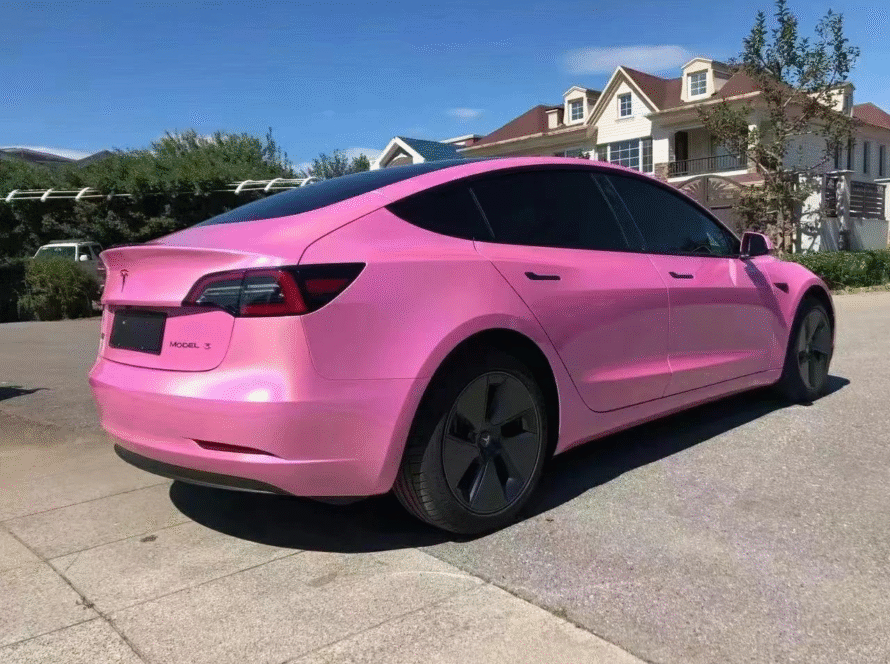
We engineered our colored TPU PPF line to eliminate the compromise between bold styling and serious physical defense. You get striking custom shades like Venice Purple and Black Crystal Blue combined with heavy-duty impact absorption.
- Rich Depth: High-gloss color depth without the orange peel effect common in paint resprays.
- 2-in-1 Performance: Changes vehicle color while offering true stone chip protection.
- Advanced Topcoat: Includes self-healing elastomeric technology and hydrophobic water-beading built directly into the color layer.
TPU Colored PPF vs. Standard PVC Vinyl Wraps
Standard vinyl wraps are purely cosmetic. Thin PVC material tears easily when struck by highway gravel. Colored TPU PPF completely upgrades the wrap market by delivering physical durability alongside deep custom color.
FeatureKarlisePPF Colored TPU PPFTraditional PVC Vinyl WrapPrimary FunctionHeavy-Duty Protection + Color ChangeCosmetic Style Change OnlyBase MaterialThermoplastic Polyurethane (TPU)Polyvinyl Chloride (PVC)Rock Chip ResistanceHigh (Absorbs kinetic energy)Minimal (Punctures and tears easily)Self-Healing AbilityYes (Scratches clear with heat)No (Scratches are permanent)Lifespan5 – 10 Years2 – 4 Years
PPF vs Ceramic Coating vs Vinyl: Choosing Your Defense
When car owners ask what about ppf compared to ceramic coatings or vinyl wraps, the distinction comes down to physical armor versus chemical protection and styling. Each option serves a unique purpose, but their level of stone chip protection and service life vary significantly.
Protection FeaturePaint Protection Film (PPF)Ceramic CoatingVinyl WrapPrimary FocusHeavy-duty physical impact defenseChemical stain & gloss defenseVisual restyling & color changesRock Chip ResistanceMaximum (TPU shock absorption)NoneMinimalSelf-Healing TopcoatYes (Erases swirls with heat)NoNoService Life5 – 10 Years2 – 5 Years3 – 5 Years
Understanding the differences in PPF vs ceramic coating performance prevents costly protection missteps:
- Ceramic Coatings: Create a microscopic chemical barrier. Excellent for chemical resistance, UV protection, and deep gloss, but they cannot stop physical road debris or rock chips.
- Vinyl Wraps: Thin PVC films designed purely for aesthetic color changes. They offer virtually zero protection against flying gravel.
- KarlisePPF TPU: Built with multi-layer Thermoplastic Polyurethane engineered specifically to absorb harsh impacts, preventing deep paint damage.
The Ultimate Protection Setup
For drivers seeking absolute perfection, you do not have to choose just one. Layering a ceramic coating over high-performance KarlisePPF provides the ultimate hybrid setup:
- Physical Armor: The underlying PPF absorbs road impacts and self-heals light swirl marks.
- Hydrophobic Properties: The slick ceramic top layer maximizes water-beading, making washing off road grime and bug splatter effortless.
- Long-Term Gloss: Keeps film surfaces cleaner while preserving factory paint for up to a decade.
Coverage Packages, Pricing, and Financial ROI
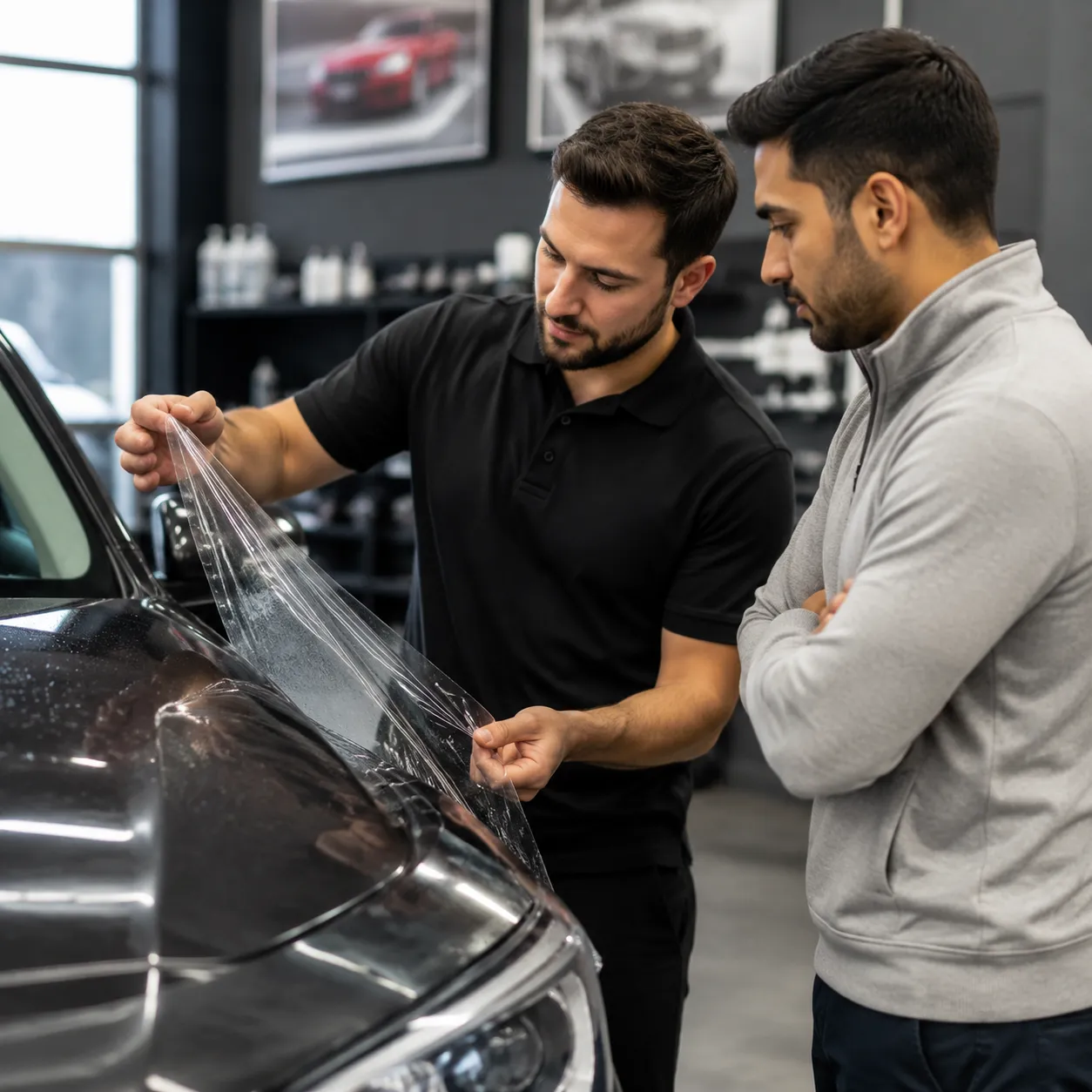
When shop owners and car owners evaluate what about ppf packages, choosing the right coverage depends on driving habits and budget limits.
Coverage TierIncluded AreasRecommended UsePartial Front Coverage PackageHood edge, front bumper, side mirrorsEssential stone chip protection for highway drivingFull Front PackageComplete hood, front bumper, full fenders, headlightsComplete defense against front-end road debrisFull Body PPF WrapComplete bumper-to-bumper protectionTotal paint preservation and high resale security
Key Cost Factors and Value Breakdown
Installation costs fluctuate based on distinct project variables: Vehicle Size & Panel Complexity: Deep contours, custom body kits, and larger panels require additional material and labor. Surface Preparation: Professional paint correction before film installation ensures maximum adhesion and a mirror finish. Material Tier: Premium TPU films offer superior durability and self-healing properties over lower-tier alternatives.
Investing in film protection yields direct financial savings over vehicle ownership: Eliminate Respray Costs: Repainting damaged panels costs $500–$3,000 per panel and destroys original factory paint status. Resale Value Preservation: Vehicles featuring intact OEM paint retain a 10–15% higher resale value at trade-in.
Factory-Direct Advantage for Detailers
We support shop owners and detailers directly through our custom brand PPF manufacturing, cutting out middleman markups to protect your profit margins.
- PPF Master Roll Supply: Standard 1.52m x 15m rolls built for high-volume installation shops.
- Private Label Solutions: Custom branded packaging and release liner logo printing tailored to your business identity.
- Competitive Direct Pricing: Factory wholesale roll prices that maximize your shop’s bottom line.
Installation, Maintenance, & Warranty: What About PPF Upkeep?
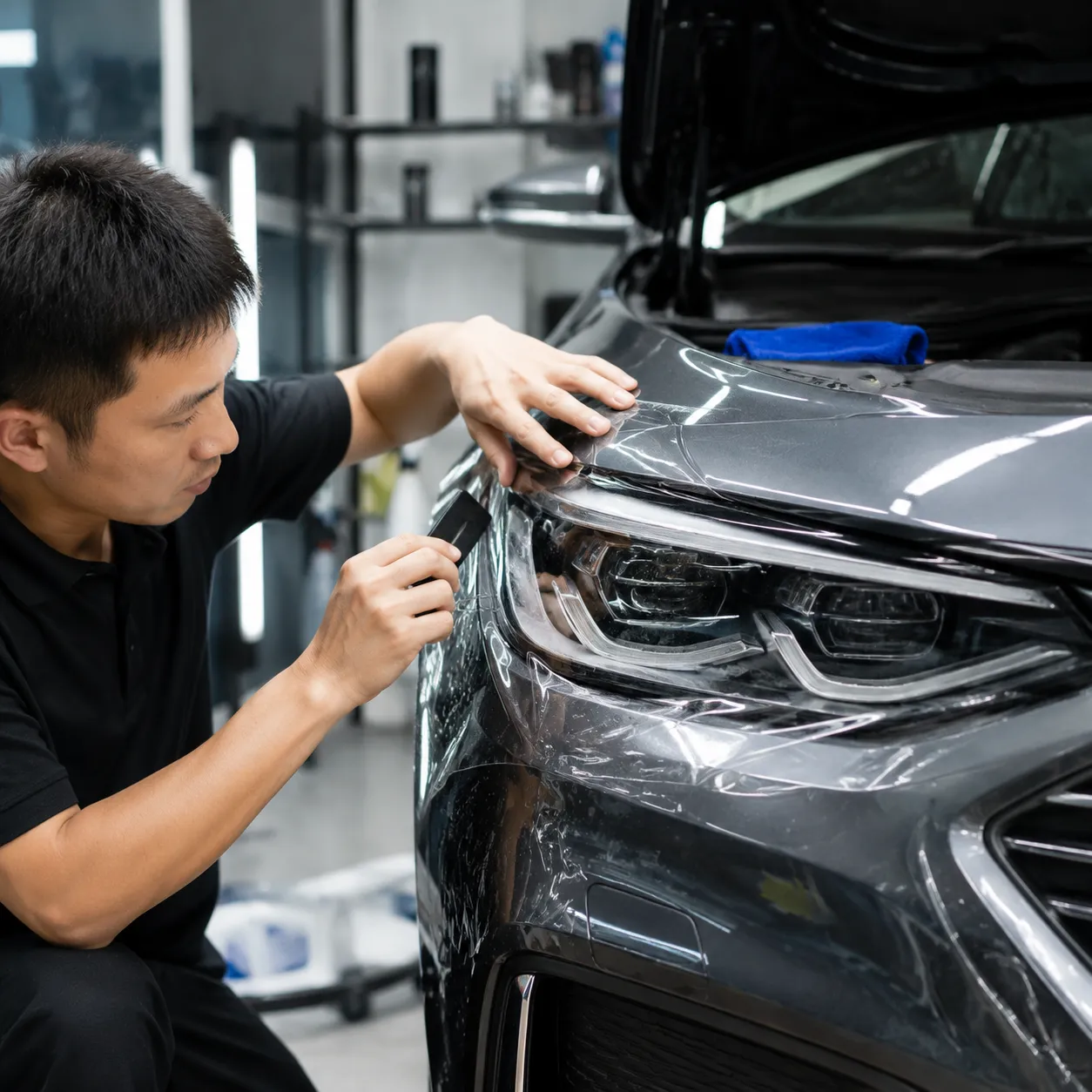
Getting the most out of your vehicle’s protection comes down to proper prep, simple daily care, and solid warranty coverage. So, what about PPF installation and long-term care? Here is exactly how we ensure flawless results from day one.
Surface Prep: Essential Automotive Paint Correction
Before laying down any film, surface prep is non-negotiable. Performing thorough automotive paint correction eliminates swirl marks, scratches, and oxidation first. If you trap paint defects under clear film, they become permanently visible. A perfectly polished paint surface ensures maximum film adhesion and a crystal-clear finish.
Simple Maintenance Rules
Keeping premium film in top condition requires minimal effort, but following a few key practices keeps it looking brand new:
- Washing: Wait at least 7 days after installation before washing. Use a pH-neutral car wash soap and a soft microfiber wash mitt.
- Avoid Harsh Chemicals: Skip solvent-based degreasers, harsh bug removers, and abrasive polishing compounds.
- Edge Care: When pressure washing, keep spray nozzles at least 12 to 18 inches away from seams and edges to prevent lifting.
Safe, Damage-Free Removal
When you eventually decide to replace or remove the film, your original factory finish remains completely safe. Our advanced adhesive system lifts off clean with mild heat, leaving zero glue residue and preserving your original clear coat intact.
5-Year Manufacturer Warranty Protection
We stand firmly behind our material quality. Every installation using our paint protection film comes with a comprehensive 5-year manufacturer warranty that guarantees against:
- Yellowing: Complete resistance against harsh UV degradation and discoloration.
- Structural Failure: Defense against premature cracking, hazing, and delamination.
- Adhesive Defects: Coverage against bubbling, lifting, or glue separation.
Frequently Asked Questions: What About PPF?
Can PPF be applied over existing paint chips or scratches?
Yes, but film will not fix or hide deep physical defects. Because paint protection film conforms tightly to the panel, it can actually highlight deep rock chips or uneven edges. We always recommend performing proper paint correction and chip touch-ups before applying a ppf wrap for cars to ensure a flawless finish.
Will removing PPF damage factory car paint?
No, removing quality TPU film will not damage original OEM factory paint.
- Factory Paint Safety: The high-tack acrylic adhesive is designed to peel away cleanly when pulled properly with mild heat or steam.
- Repainted Panels: If a panel was repainted poorly without proper primer or curing, loose paint might lift during removal.
How long must paint cure before applying PPF after a repaint?
Fresh body shop paint needs time to off-gas solvents.
- Standard Wait Time: We recommend waiting 30 days before installing film over fresh paint.
- Potential Risks: Applying film too early traps escaping gases, leading to unsightly bubbling, loss of adhesion, or silvering under the film. Always check with your painter for specific clear coat curing times.
Is PPF worth the investment for a daily driver?
For a daily driver exposed to highway gravel, bugs, road salt, and tight parking spaces, full or partial coverage pays off quickly. Investing in dedicated ppf for car protection preserves pristine original paint, saves thousands in body shop resprays, and helps you command maximum trade-in value down the road.

 English
  Portuguese
  Spanish
  German
  French
  Hindi
Hindi