

What Is Car PPF Film and How Does It Work?
Let’s be honest—that first rock chip on a brand-new hood hurts the most. That is exactly why we manufacture and champion paint protection film for cars (PPF). Often referred to as a “clear bra,” modern PPF is far more than just a sticker; it is a sophisticated, transparent armor designed to preserve your vehicle’s factory finish.
At its core, premium PPF is constructed from Thermoplastic Polyurethane (TPU). Unlike the brittle PVC films of the past, TPU is an elastomeric material. Think of it as a highly durable, invisible shield that acts as a sacrificial layer. When we engineer this material, we focus on its ability to absorb impact energy rather than deflecting it, ensuring the paint underneath remains untouched by road debris.
The Mechanics of Self-Healing Car Film
The most common question we get is, “does it actually heal?” The answer is yes, provided you are using high-quality TPU paint protection.
The chemistry behind self-healing car film is fascinating yet practical. The top coat of the film is comprised of polymers that are essentially in a constant fluid state, though they appear solid. When the surface is scratched—creating a “valley” in the film—the application of heat (from the sun, hot water, or a heat gun) energizes these polymers. This causes them to flow back into their original arrangement, effectively erasing swirl marks and fine scratches before your eyes.
Hydrophobic Top Coats and UV Defense
Beyond physical protection, we design our vehicle clear protection film to handle the elements. A crucial feature of modern PPF is the hydrophobic top coat.
- Hydrophobic Properties: This creates a surface tension where water beads up and rolls off, taking dirt and grime with it. This makes washing your car significantly easier and prevents stains from bird droppings or bug splatter.
- UV Resistance: High-grade PPF contains UV inhibitors. This protects your paint from fading under harsh sunlight and ensures the film itself resists yellowing over time—a standard we rigorously test for in our manufacturing process.
Debunking Common PPF Myths
There is a lot of outdated information circulating about paint protection. Let’s set the record straight on a few things:
- “It looks like orange peel”: This was true for old-school films. Today, premium hydrophobic car protection film is optically clear. When installed correctly, it actually enhances the gloss and is virtually indistinguishable from the factory clear coat.
- “It ruins the paint upon removal”: False. Professional-grade TPU is designed to adhere strong but remove clean. It will not strip your factory paint when removed by a professional.
- “It kills resale value”: Quite the opposite. By keeping the original paint in showroom condition, PPF essentially freezes the age of your car’s exterior, maximizing its value when it’s time to sell.
Benefits of Applying PPF Film to Your Car
When I look at vehicle ownership today, applying car PPF film isn’t just an accessory expenses; it is a critical investment in your asset. The primary benefit is straightforward: preserving your factory finish to maximize resale value. In the US market, buyers and dealerships scrutinize paint condition, and a flawless exterior commands a significantly higher trade-in value.
Unmatched Defense and Aesthetics
We engineer paint protection film for cars to handle the harsh realities of American roads. I’m talking about gravel from freeway construction, acidic bug splatter in the summer, and corrosive road salt during winter.
- Impact Resistance: The film acts as a sacrificial layer, absorbing the energy from rock chips that would otherwise crater your clear coat.
- Stain Resistance: High-quality TPU provides a barrier against chemical etching from bird droppings and tree sap.
- Style Upgrade: You aren’t limited to invisible protection. For enthusiasts who want protection and a new look, our Gemstone Red PPF film offers a stunning color transformation that shields the paint underneath.
Long-Term Cost Analysis: PPF vs. Repainting
Many folks hesitate at the upfront cost, but self-healing car film is a financial shield against future repair bills. Repainting a hood or bumper destroys the “factory original” status and rarely matches perfectly.
| Cost Factor | High-Quality PPF | Paint Repaint / Correction |
|---|---|---|
| Durability | 5–10 Years (Self-Healing) | Permanent but fragile to new chips |
| Maintenance | Easy wash, hydrophobic surface | Requires waxing, polishing, buffing |
| Resale Impact | Increases Value (Preserves OEM paint) | Decreases Value (Non-original paint) |
| Protection | Prevents physical damage | None (Purely cosmetic) |
By choosing a vehicle clear protection film, you are effectively freezing your car’s condition in time, ensuring it looks as good on sale day as it did on delivery day.
Would you like me to proceed to the next section: “Top Paint Protection Film Brands in 2026: Detailed Comparison”?
Top Paint Protection Film Brands in 2026: Detailed Comparison
When you are shopping for car ppf film in 2026, the market is crowded with options ranging from expensive legacy brands to high-performance factory-direct alternatives. As a manufacturer in this industry, I evaluate these films based on three non-negotiables: optical clarity (zero “orange peel”), durability (impact resistance), and warranty length. Whether you are a shop owner looking for wholesale paint protection film or a car enthusiast, understanding who makes the material matters more than the logo on the box.
Spotlight on Industry Leaders and Market Shifters
The “Big Five” still dominate the retail conversation. XPEL remains the go-to for many due to their robust pre-cut software ecosystem. 3M leverages massive brand recognition, though their film evolution has sometimes lagged behind smaller innovators. LLumar and SunTek (both under Eastman) are known for exceptional clarity and ease of installation. STEK revolutionized the game by introducing hydrophobic top coats early on, merging fashion with function.
However, the landscape is shifting. Savvy installers are realizing that premium automotive PPF rolls from factory-direct sources often use the exact same Aliphatic TPU base materials as these giants, minus the massive marketing markup. By sourcing through OEM/ODM services, businesses can access high-grade TPU that offers identical anti-yellowing PPF properties and self-healing tech. Understanding what to look for when choosing a reliable paint protection film factory is crucial to separating actual quality from brand hype.
Feature Comparison: Thickness, Hydrophobics, and Value
We are seeing a trend toward thicker films in 2026. Standard protection used to be 6-7 mils, but now 8-10 mils is the new standard for TPU paint protection in high-impact zones. A good film must also be inherently hydrophobic—meaning the water-repelling property is built into the top coat, not just a wax layer that washes off.
Here is how the current market landscape stacks up regarding specs and value:
| Brand / Type | Standard Thickness (Mils) | Hydrophobic Top Coat | Clarity Rating | Value (Price vs. Performance) |
|---|---|---|---|---|
| XPEL Ultimate Plus | 8.0 mil | High | Excellent | Moderate (High Cost) |
| 3M Scotchgard Pro | 8.0 mil | Moderate | Good | Moderate |
| SunTek Reaction | 8.0 mil | High (2-in-1) | Excellent | Moderate |
| Carlise (Factory Direct) | 7.5 – 10 mil | Ultra-Hydrophobic | Superior | Best (Factory Pricing) |
| STEK DYNOshield | 8.0 mil | High | Excellent | Moderate (High Cost) |
The Factory-Direct Advantage
While the big brands offer safety in name recognition, opting for factory-direct pricing gives you more control and higher margins. We focus on quality control standards that ensure every roll of vehicle clear protection film meets global requirements for UV resistance and shear strength.
For installers and distributors, this means you can get bulk rolls for distributors that perform identically to the big names but allow you to offer competitive pricing to your customers. You can explore our comprehensive range of paint protection film to see how high-grade materials translate into real-world protection without the inflated price tag.
Key Takeaway: In 2026, look at the spec sheet, not just the box. Whether you need standard clear bra or colored paint protection film, the underlying TPU technology is what dictates longevity.
Next Step: Would you like me to create a detailed breakdown of the installation tools required for these specific film brands?
Clear vs. Colored PPF Film: Which Suits Your Vehicle?
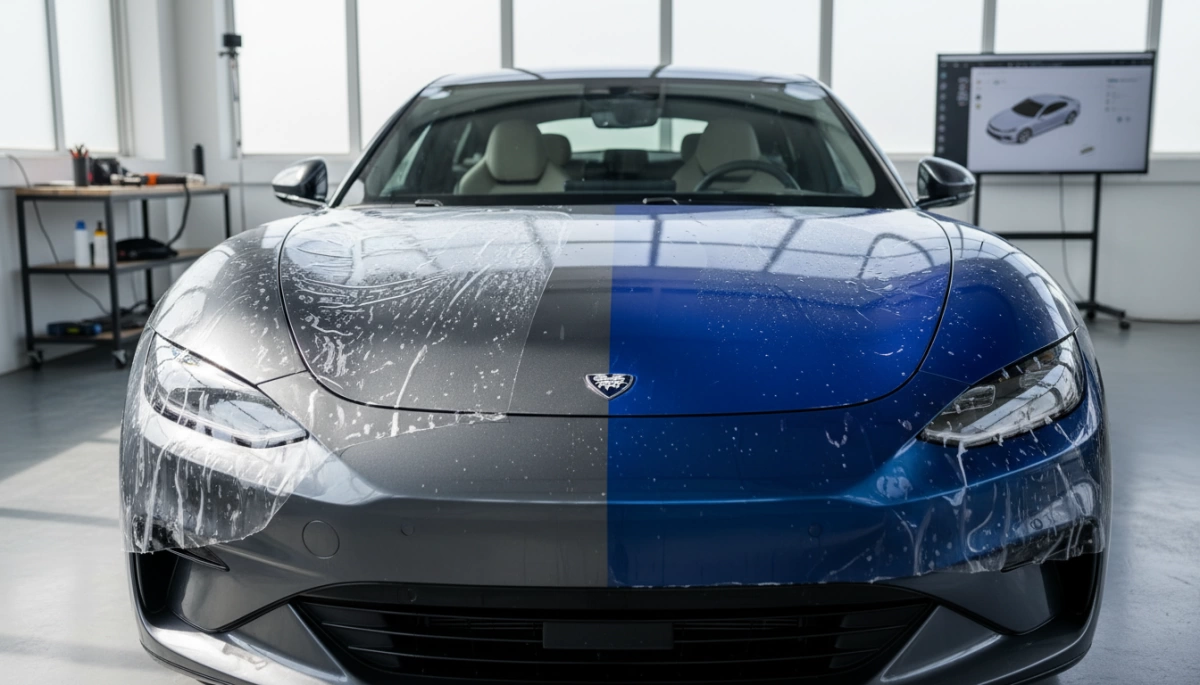
Choosing between clear and colored film often comes down to your end goal: are you a purist who loves the factory paint, or are you looking to reinvent your ride’s aesthetic? As a manufacturer, I see distinct trends in how our OEM/ODM services are utilized for both categories in the US market.
Clear PPF for Invisible Factory Paint Protection
For most vehicle owners, the goal is simple: keep the car looking exactly how it did on the dealership lot. Vehicle clear protection film is designed to be virtually invisible. When we engineer these films using high-grade Aliphatic TPU, we prioritize optical clarity and non-yellowing properties.
This is the standard choice for daily drivers and collectors who want to preserve the authenticity of their paint code. It acts as a sacrificial layer against road debris without altering the car’s appearance. For those wanting to maintain the original showroom finish, our high-gloss clear PPF options offer invisible defense that enhances the natural depth of your paint.
Colored PPF: Style Transformation with Real Protection
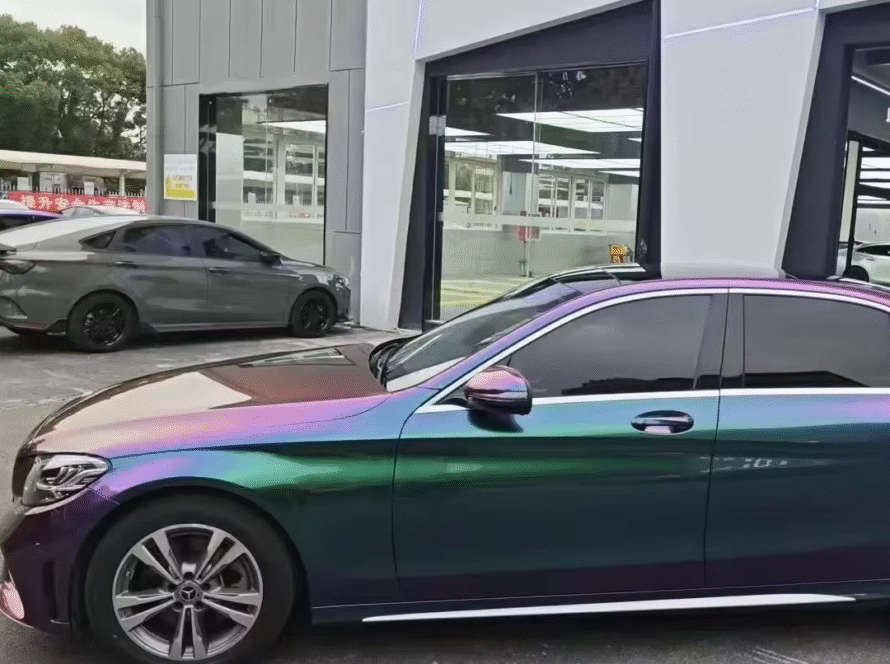
Historically, if you wanted to change your car’s color, you used vinyl. But vinyl offers minimal protection against rock chips and scratches. Colored paint protection film bridges that gap. It provides the heavy-duty thickness (usually 8 mil+) and self-healing properties of traditional PPF, but with the pigment of a wrap.
This is becoming a massive trend for luxury applications. You get a dry install that looks like paint, protects like armor, and completely changes the visual character of the vehicle. If you are looking to completely transform your vehicle’s aesthetic while ensuring robust shielding, consider applying vibrant colored TPU film to get the best of both worlds.
Choosing Based on Your Driving Lifestyle
When advising our wholesale paint protection film clients, we break it down by usage:
- Daily Commuters: Stick to clear PPF. It’s cost-effective, protects resale value, and doesn’t require declaring a color change on your registration.
- Show Cars & Luxury Fleets: Colored PPF allows for customization without devaluing the original factory paint underneath.
- Budget: With factory-direct pricing, the cost gap between premium colored TPU and standard clear is narrowing, making style upgrades more accessible.
Quick Comparison:
| Feature | Clear PPF | Colored PPF |
|---|---|---|
| Primary Goal | Invisible Preservation | Style Change + Protection |
| Material | Clear Aliphatic TPU | Pigmented Aliphatic TPU |
| Thickness | Typically 7.5 – 10 mil | Typically 8 mil+ |
| Resale Value | Maximizes OEM value | Protects OEM paint (removable) |
Key Features to Look for in Premium Car PPF Film
When sourcing car ppf film for your vehicle, you aren’t just buying a protective layer; you are investing in chemical engineering. The difference between a film that yellows in six months and one that remains invisible for a decade comes down to specific technical specs. If you want a shield that actually performs, you need to look beyond the brand name and check the data sheet.
Aliphatic TPU and Material Chemistry
The most critical component is the base material. You must insist on Aliphatic TPU (Thermoplastic Polyurethane). Unlike cheaper aromatic plastics used in budget films, aliphatic TPU is chemically structured to resist oxidation and UV radiation. This is the industry standard for anti-yellowing PPF, ensuring the film stays clear regardless of sun exposure.
We also prioritize self-healing car film capabilities. A premium film features a top coat that is elastomeric, meaning it can “reflow” when heated by the sun or an engine, effectively erasing swirl marks and fine scratches.
Thickness and Hydrophobic Properties
Protection is about physical barriers. Standard films often hover around 6-7 mils, but for real defense, you should look for film thickness (mils) in the 8-10 range, especially for high-impact zones. This added density acts as a shock absorber against rock chips. Additionally, a hydrophobic car protection film layer is essential for maintenance; it forces water and mud to bead up and roll off, preventing stains.
For those looking to combine heavy-duty protection with a style change, our colored TPU car wrap film offers these same protective benefits in various distinct finishes.
Premium PPF Spec Breakdown
| Feature | Standard Budget Film | Premium Aliphatic PPF |
|---|---|---|
| Material Base | PVC or Aromatic TPU | Aliphatic TPU |
| Yellowing Resistance | Low (Yellows within 1-2 years) | High (Anti-yellowing technology) |
| Self-Healing | Non-existent or weak | Heat-activated healing |
| Thickness | 5-6 mil | 8-10 mil |
| Warranty | 1-3 Years | 5-10 Years |
Warranty and Longevity
ly, a warranty is only as good as the material backing it. Premium automotive PPF rolls generally come with a 7 to 10-year warranty covering cracking, bubbling, and delamination. If you are applying our transparent TPU clear PPF wrap, you can expect factory-level clarity that essentially pauses the aging process of your vehicle’s paint.
Would you like me to create a comparison guide for the “Installation Guide: Professional vs. DIY Expectations” section next?
Installation Guide: Professional vs. DIY Expectations
Applying car PPF film is a specialized craft, not a standard weekend DIY project. While you can buy DIY kits, the difference between a garage install and a professional application is usually obvious in the clarity and longevity of the bond. As a manufacturer providing bulk rolls for distributors, we see firsthand that high-quality TPU requires experienced handling to perform correctly.
Why Professional Installation Ensures Seamless Results
Professional PPF installers work in controlled, dust-free environments to ensure no debris gets trapped under the film. They understand the stretch limits of the material.
- Contamination Control: Prevents dust specs that look like pimples in the paint.
- Edge Wrapping: Pros wrap the edges of the film around the panel for a seamless, invisible look.
- Squeegee Technique: Proper pressure ensures the adhesive bonds without leaving “lift lines” or silvering.
Coverage Options: Tailoring Your Defense
Most US drivers choose their coverage based on driving habits and budget. You can explore the specific zones suitable for our automotive film applications to decide what fits your needs.
| Coverage Level | Details | Best For |
|---|---|---|
| Partial Front | Covers bumper, mirrors, and partial hood (18-24 inches). | Budget-conscious daily drivers. |
| Full Front | Covers entire hood, fenders, bumper, and mirrors. | The US standard; no visible line on the hood. |
| Full Vehicle | Wraps every painted surface. | Luxury cars, exotics, and matte finishes. |
Pre-Cut Patterns vs. Bulk Application
There are two main ways to apply the film:
- Pre-Cut Kits: Installers use plotters with pre-cut software compatibility to slice the film to the vehicle’s exact specs before application. This minimizes the risk of knife marks on the paint and speeds up the process.
- Bulk Installation: The installer lays a large sheet of car PPF film over a panel and trims it by hand. This allows for deeper edge wrapping and a cleaner clear bra installation, but it requires a master installer with a steady hand.
Finding Certified Installers
Don’t just go for the lowest price. A bad install can ruin expensive film.
- Check the Shop: It should be clean, well-lit, and climate-controlled.
- Ask About Prep: If they don’t mention clay bar treatment and paint correction, walk away.
- Inspect Work: Look at edges on cars they are currently working on.
Cost Breakdown: Car PPF Film Pricing in 2026
When you are ready to invest in car PPF film, understanding the financial commitment is just as important as choosing the right material. In 2026, pricing isn’t a one-size-fits-all number; it fluctuates based on labor rates in your area, the complexity of your vehicle’s curves, and the grade of TPU used. Generally, you are paying for skilled labor just as much as the material itself, as a flawless install requires hours of meticulous prep work.
Factors Influencing the Bill
The price tag on paint protection film for cars varies significantly depending on a few core variables:
- Coverage Area: Are you covering just high-impact zones or the entire vehicle?
- Vehicle Size & Complexity: A flat-hooded sedan is cheaper to wrap than an SUV with aggressive aero kits and complex vents.
- Film Quality: Premium films with hydrophobic top coats and self-healing properties command a higher price than standard clear bras.
Average Cost Ranges: Partial vs. Full Application
To give you a realistic idea of what to expect in the U.S. market, here is a breakdown of current pricing tiers. Understanding the nuances of car PPF cost is crucial for budgeting your project effectively:
| Coverage Type | Estimated Cost | What It Covers |
|---|---|---|
| Partial Front | $900 – $1,500 | Bumper, roughly 18-24 inches up the hood, and mirrors. Good for basic highway defense. |
| Full Front | $1,800 – $2,500 | Entire hood, bumper, fenders, and mirrors. Seamless look with no visible lines across the hood. |
| Full Vehicle | $5,000 – $9,000+ | Full car PPF coverage. Every painted surface is protected. Ideal for exotics, luxury cars, or matte finishes. |
The Value of Factory-Direct and Wholesale
For installers and distributors, the landscape is shifting. Instead of paying inflated premiums for big-name branding, many are turning to factory-direct pricing. As a manufacturer, I can tell you that cutting out the middleman allows access to top-tier, aliphatic TPU at a fraction of the cost. Sourcing custom brand PPF solutions directly from the factory not only secures better margins for businesses but also ensures you aren’t paying extra marketing fees rolled into the product price. Whether you need wholesale paint protection film or specific bulk rolls for distributors, going direct is the smartest play for long-term value.
Would you like me to outline the “Maintenance and Care Tips for Long-Lasting PPF” section next?
Maintenance and Care Tips for Long-Lasting PPF
Investing in car PPF film is the first step, but how you treat it determines how long it protects your vehicle. While our aliphatic TPU is engineered for durability, a proper maintenance routine ensures your film stays invisible and effective for years. We always tell our partners and customers: treat the film like paint, but with a bit more strategy.
Daily Washing Techniques and Recommended Products
To keep your paint protection film for cars looking pristine, you need to avoid abrasive habits. Automatic car washes with stiff bristles are the enemy—they can lift edges and dull the surface over time. Instead, stick to the “two-bucket method” or use a touchless wash.
- Wait to Wash: Do not wash the car for at least 7 days after installation to allow the adhesive to fully cure.
- pH Neutral Soap: Always use a pH-neutral car shampoo. Harsh detergents can strip the hydrophobic top coat.
- Pressure Washer Safety: Keep the nozzle at least 12 inches away from the surface and avoid spraying directly at the edges of the film to prevent lifting.
- Avoid Wax with Naphtha or Kerosene: These solvents can damage the polyurethane. Stick to waxes specifically made for PPF or ceramic boosters.
Handling Minor Damage and Maximizing Self-Healing
One of the biggest selling points of our product is the self-healing car film technology. This feature works through thermoplastic properties that rearrange when heated, erasing fine swirl marks and light scratches.
However, “self-healing” doesn’t mean magic. It requires heat activation.
- Sun Exposure: On a hot summer day, the sun will naturally heal most fine scratches.
- Hot Water: Pouring warm water (around 120°F – 140°F) over the area can trigger the healing process if the sun isn’t out.
- Heat Gun: Professionals use heat guns, but use caution—too much heat can burn the film.
Note: Deep scratches that penetrate through the clear coat of the film into the urethane layer will not heal.
Pairing Ceramic Coating with PPF for Added Protection
Many car owners ask if they should choose one over the other. The reality is that they work best together. PPF provides physical impact resistance against rocks, while ceramic coating offers superior chemical resistance and hydrophobicity.
Applying a ceramic layer over your PPF makes the car easier to clean * Wait to Wash: Do not wash the car for at least 7 days after installation to allow the adhesive to fully cure.
- pH Neutral Soap: Always use a pH-neutral car shampoo. Harsh detergents can strip the hydrophobic top coat.
- Pressure Washer Safety: Keep the nozzle at least 12 inches away from the surface and avoid spraying directly at the edges of the film to prevent lifting.
- Avoid Wax with Naphtha or Kerosene: These solvents can damage the polyurethane. Stick to waxes specifically made for PPF or ceramic boosters.
Handling Minor Damage and Maximizing Self-Healing
One of the biggest selling points of our product is the self-healing car film technology. This feature works through thermoplastic properties that rearrange when heated, erasing fine swirl marks and light scratches.
However, “self-healing” doesn’t mean magic. It requires heat activation.
- Sun Exposure: On a hot summer day, the sun will naturally heal most fine scratches.
- Hot Water: Pouring warm water (around 120°F – 140°F) over the area can trigger the healing process if the sun isn’t out.
- Heat Gun: Professionals use heat guns, but use caution—too much heat can burn the film.
Note: Deep scratches that penetrate through the clear coat of the film into the urethane layer will not heal.
Pairing Ceramic Coating with PPF for Added Protection
Many car owners ask if they should choose one over the other. The reality is that they work best together. PPF provides physical impact resistance against rocks, while ceramic coating offers superior chemical resistance and hydrophobicity.
Applying a ceramic layer over your PPF makes the car easier to clean and enhances depth. Understanding the synergy in [ceramic coating vs PPF](https://www.carliseppf* Wait to Wash: Do not wash the car for at least 7 days after installation to allow the adhesive to fully cure.
- pH Neutral Soap: Always use a pH-neutral car shampoo. Harsh detergents can strip the hydrophobic top coat.
- Pressure Washer Safety: Keep the nozzle at least 12 inches away from the surface and avoid spraying directly at the edges of the film to prevent lifting.
- Avoid Wax with Naphtha or Kerosene: These solvents can damage the polyurethane. Stick to waxes specifically made for PPF or ceramic boosters.
Handling Minor Damage and Maximizing Self-Healing
One of the biggest selling points of our product is the self-healing car film technology. This feature works through thermoplastic properties that rearrange when heated, erasing fine swirl marks and light scratches.
However, “self-healing” doesn’t mean magic. It requires heat activation.
- Sun Exposure: On a hot summer day, the sun will naturally heal most fine scratches.
- Hot Water: Pouring warm water (around 120°F – 140°F) over the area can trigger the healing process if the sun isn’t out.
- Heat Gun: Professionals use heat guns, but use caution—too much heat can burn the film.
Note: Deep scratches that penetrate through the clear coat of the film into the urethane layer will not heal.
Pairing Ceramic Coating with PPF for Added Protection
Many car owners ask if they should choose one over the other. The reality is that they work best together. PPF provides physical impact resistance against rocks, while ceramic coating offers superior chemical resistance and hydrophobicity.
Applying a ceramic layer over your PPF makes the car easier to clean and enhances depth. Understanding the synergy in ceramic coating vs PPF helps explain why this “hybrid” approach is becoming the standard for ultimate vehicle preservation. The ceramic layer acts as a sacrificial barrier for the film, extending the life of the stain resistant PPF beneath it.
Next Step
Would you like me to outline the “PPF vs. Alternatives” section next to compare these protection methods in more detail?
PPF vs. Alternatives: Ceramic Coating and Vinyl Wraps
There is often confusion between car PPF film, ceramic coatings, and vinyl wraps. As a manufacturer, I see customers assume these products are interchangeable, but they serve very different roles in vehicle protection. It is crucial to choose the right tool for the job.
Here is the breakdown of how they compare:
- Paint Protection Film (PPF): This is a thick (8-10 mil) thermoplastic polyurethane barrier designed for impact resistance. It is the only solution that physically stops rock chips, deep scratches, and road debris from damaging your factory paint.
- Ceramic Coating: A liquid polymer applied chemically. It provides excellent gloss and hydrophobic properties (water beading), making the car easier to clean. However, it offers no impact protection against rocks or parking lot dings.
- Vinyl Wraps: Primarily used for aesthetic changes. While a stylish silver car wrap vinyl film can completely transform your vehicle’s appearance, it is much thinner than PPF and lacks the robust self-healing capabilities required for heavy-duty paint defense.
Hybrid Approaches for Optimal Vehicle Defense
You don’t always have to choose just one. For the best of both worlds, I recommend a hybrid approach:
- Impact Zones: Install clear PPF on high-impact areas like the front bumper, hood, and mirrors to absorb road debris.
- Aesthetics & Ease: Apply a ceramic coating over the PPF and the rest of the car. This seals the film and paint, ensuring hydrophobic performance and distinct gloss without sacrificing protection.
This combination ensures your ride stays pristine while maintaining a showroom shine.
Why Choose Carliseppf for Your Next PPF Project
When it comes to sourcing top-tier car ppf film, experience matters. I’ve spent over 16 years in this industry, not just selling film, but perfecting the manufacturing process behind it. At Carliseppf, we focus on delivering premium automotive PPF rolls that solve real-world problems for installers and vehicle owners alike, specifically targeting the harsh weather and road conditions found across the United States.
We utilize high-grade Aliphatic TPU in our production, which is the gold standard for creating anti-yellowing PPF. Unlike cheaper alternatives that degrade under UV exposure, our film maintains its clarity and flexibility for years. This isn’t just about protection; it’s about providing a product that installers love to work with because of its consistent quality and ease of application. You can learn more about our specific advantages and why professionals choose Carliseppf for their business.
Innovation Beyond Clear Film
While we excel at invisible protection, we are also pioneers in style. We offer a robust lineup of colored paint protection film, allowing you to change a car’s color while providing the heavy-duty defense of a 7.5 or 10-mil shield. Whether you need a matte black finish or a custom color, our innovative colored PPF options give you the best of both worlds: vinyl aesthetics with PPF durability.
The Carliseppf Advantage
We operate with a factory-direct model. This means whether you need wholesale paint protection film for a distribution center or bulk rolls for distributors, we cut out the middleman to offer competitive pricing without sacrificing quality control.
| Feature | Carliseppf Standard | Competitor Average |
|---|---|---|
| Material Base | Premium Aliphatic TPU | Standard / Aromatic TPU |
| Experience | 16+ Years Manufacturing | < 5 Years (Re-sellers) |
| Services | OEM/ODM services Available | Generic Branding Only |
| Durability | 5-10 Year Warranty | 1-3 Years |
| Supply Chain | Factory-direct pricing | Markups via middlemen |
We understand the logistics required for global shipping and logistics, ensuring your stock arrives on time, every time. If you are looking to build your own brand, our OEM/ODM services allow you to customize specifications, including film thickness (mils) and box design, to fit your local market needs.
Would you like me to detail the specific steps for handling warranty claims and the coverage details for our films next?
Common FAQs About Car PPF Film
When you are investing in paint protection film for cars, you want straight answers, not sales fluff. As a manufacturer, I see the same questions pop up from vehicle owners and installers across the US. Here is the breakdown of what you need to know about warranties, safety, and finishes.
How Does the PPF Warranty Work?
A solid PPF warranty comparison usually reveals that reputable brands (including us) offer coverage ranging from 5 to 10 years. However, you need to know exactly what that covers.
- What is covered: Manufacturer defects like yellowing, bubbling, cracking, or delamination. If the self-healing car film stops healing or turns yellow prematurely due to UV exposure, that is a claim.
- What isn’t covered: Wear and tear, accidents, or damage caused by improper washing (like using high-pressure washers too close to the edges).
Will Removing the Film Ruin My Paint?
This is the biggest fear for most customers. The short answer is: No, provided the paint is original (OEM) and the removal is done right.
If your car has factory paint, the bond is stronger than the film’s adhesive. However, if your car has had aftermarket bodywork or a cheap respray, there is a risk of paint lifting. We always recommend using professional PPF installers for removal. They use steam or heat guns to soften the adhesive, ensuring the film peels off cleanly without leaving residue or pulling up the clear coat.
Is PPF Suitable for Matte Paint Finishes?
Absolutely. In fact, matte paint needs car PPF film more than glossy paint does because you cannot buff out scratches on a matte finish—polishing it would make it shiny.
You generally have two options here:
- Stealth/Matte PPF: Goes over your factory matte paint to protect it without altering the sheen.
- Colored/Styled TPU: If you want to change the look of your vehicle while adding heavy-duty protection, you can opt for colored
A solid PPF warranty comparison usually reveals that reputable brands (including us) offer coverage ranging from 5 to 10 years. However, you need to know exactly what that covers.
- What is covered: Manufacturer defects like yellowing, bubbling, cracking, or delamination. If the self-healing car film stops healing or turns yellow prematurely due to UV exposure, that is a claim.
- What isn’t covered: Wear and tear, accidents, or damage caused by improper washing (like using high-pressure washers too close to the edges).
Will Removing the Film Ruin My Paint?
This is the biggest fear for most customers. The short answer is: No, provided the paint is original (OEM) and the removal is done right.
If your car has factory paint, the bond is stronger than the film’s adhesive. However, if your car has had aftermarket bodywork or a cheap respray, there is a risk of paint lifting. We always recommend using professional PPF installers for removal. They use steam or heat guns to soften the adhesive, ensuring the film peels off cleanly without leaving residue or pulling up the clear coat.
Is PPF Suitable for Matte Paint Finishes?
Absolutely. In fact, matte paint needs car PPF film more than glossy paint does because you cannot buff out scratches on a matte finish—polishing it would make it shiny.
You generally have two options here:
- Stealth/Matte PPF: Goes over your factory matte paint to protect it without altering the sheen.
- Colored/Styled TPU: If you want to change the look of your vehicle while adding heavy-duty protection, you can opt for colored TPU. For example, applying a [Nado Grey TPU film](https://www.carliseppf.A solid PPF warranty comparison usually reveals that reputable brands (including us) offer coverage ranging from 5 to 10 years. However, you need to know exactly what that covers.
- What is covered: Manufacturer defects like yellowing, bubbling, cracking, or delamination. If the self-healing car film stops healing or turns yellow prematurely due to UV exposure, that is a claim.
- What isn’t covered: Wear and tear, accidents, or damage caused by improper washing (like using high-pressure washers too close to the edges).
Will Removing the Film Ruin My Paint?
This is the biggest fear for most customers. The short answer is: No, provided the paint is original (OEM) and the removal is done right.
If your car has factory paint, the bond is stronger than the film’s adhesive. However, if your car has had aftermarket bodywork or a cheap respray, there is a risk of paint lifting. We always recommend using professional PPF installers for removal. They use steam or heat guns to soften the adhesive, ensuring the film peels off cleanly without leaving residue or pulling up the clear coat.
Is PPF Suitable for Matte Paint Finishes?
Absolutely. In fact, matte paint needs car PPF film more than glossy paint does because you cannot buff out scratches on a matte finish—polishing it would make it shiny.
You generally have two options here:
- Stealth/Matte PPF: Goes over your factory matte paint to protect it without altering the sheen.
- Colored/Styled TPU: If you want to change the look of your vehicle while adding heavy-duty protection, you can opt for colored TPU. For example, applying a Nado Grey TPU film gives you that trendy, flat aesthetic with all the rock-chip defense of a traditional clear bra.

 English
  Portuguese
  Spanish
  German
  French
  Hindi
Hindi