


What Is PPF Coating for Cars?
When people say PPF coating for car, they’re talking about paint protection film – a clear, flexible film that’s applied on top of your car’s paint to act like an invisible shield.
Basic Definition: Clear Protective Layer
Paint protection film (PPF), also known as clear bra paint protection or automotive TPU film, is:
- A transparent, urethane-based film (usually TPU)
- Installed on high‑impact areas (front bumper, hood, fenders, mirrors) or the full body PPF wrap
- Designed to be nearly invisible while adding serious chip-resistant car coating protection
Think of it as a sacrificial layer: the film takes the abuse, so your factory paint doesn’t.
How PPF Coating Works on Car Paint
Once installed, PPF bonds to your clear coat and:
- Absorbs impacts from rock chips, gravel, and road debris
- Blocks UV rays, slowing oxidation and fading
- Provides a slick surface that’s easier to wash and less likely to stain
- On premium, self-healing paint protection film, light swirls and minor marks disappear with heat from the sun or warm water
Your original paint stays sealed underneath, protected from physical damage and environmental fallout.
PPF vs. Liquid Waxes, Sealants, and Coatings
PPF is not the same as wax or ceramic coating:
| Product Type | Main Role | Thickness / Protection Level |
|---|---|---|
| Wax / Sealant | Shine, short-term protection | Very thin, minimal rock chip resistance |
| Ceramic Coating | Gloss, hydrophobic, UV resistance | Hard, thin layer; some scratch resistance |
| PPF (Paint Protection Film) | Physical impact protection | Thick, flexible film; real rock chip barrier |
- Wax / sealants: great for gloss and beading, last weeks–months
- Ceramic coating: long-lasting shine, easy cleaning, but doesn’t stop rock chips
- PPF: your best option for true rock chip and impact protection
You can still use ceramic coating on top of PPF for extra gloss and easier maintenance, but PPF is doing the heavy lifting for car rock chip protection.
Who Really Needs PPF on Their Car (and Why)
PPF isn’t just for show cars. It makes real sense if:
- You drive a lot on highways (constant rock and debris impacts)
- You own a new car and want to keep the paint looking fresh for years
- You have a luxury or sports car where paint repairs and resprays are expensive
- Your car has matte paint, where repainting or correcting damage is tricky and costly
- You live in areas with gravel roads, construction zones, or harsh climates
If you care about long-term value, clean original paint, and lower repair costs, PPF car protection is often the smartest upgrade you can do to your exterior.
How PPF Coating Protects Your Car Paint
PPF coating for car paint is basically your “physical shield” against the real‑world damage your clear coat takes every day.
1. Rock Chips & Road Debris Protection
PPF is a thick, impact‑absorbing TPU film that takes the hit before your paint does.
It helps protect against:
- Gravel and stone chips on the front bumper, hood, and mirrors
- Sand and small debris on highways and construction zones
- Damage from tires kicking up loose material in city traffic
For many of our clients, just a front bumper PPF kit and hood coverage is enough to stop the classic white rock chips you see on dark cars.
2. UV, Oxidation & Fading Shield
Quality paint protection film for cars is UV resistant, so it:
- Blocks most UV rays that cause clear coat failure
- Slows down paint oxidation and fading
- Helps maintain color depth on darker and bright colors (reds, blues, yellows)
A good gloss clear car wrap style PPF keeps your paint looking newer for longer, especially in hot, sunny regions.
3. Bird Droppings, Bugs & Acid Rain Defense
PPF adds a barrier between your paint and harsh contaminants like:
- Bird droppings and tree sap
- Bug splatter on the front end
- Light acid rain and road film
Instead of etching directly into your clear coat, they sit on the film, which is much easier (and safer) to clean. On busy workday cars that live outdoors, this makes a huge difference.
4. Swirl Marks & Light Scratch Reduction
Daily washing and wiping is where most swirl marks come from. PPF coating helps by:
- Absorbing light wash scratches and towel marks
- Reducing marring from automatic car washes
- Acting as a “sacrificial” layer that can be replaced instead of polishing paint
With self healing paint protection film, light swirls from washing can even level out with heat from the sun or warm water.
5. Real‑World Use Cases
Here’s how I typically see PPF car protection pay off:
- Daily city driver:
- Front bumper + hood + mirrors wrapped
- Protects from tight parking, scooters, and flying gravel
- Highway commuter / long‑distance driver:
- Extended front, A‑pillars, rocker panels
- Serious defense against high‑speed rock chips and bug splatter
- New or luxury car owner:
- Full body PPF wrap for maximum coverage and resale protection
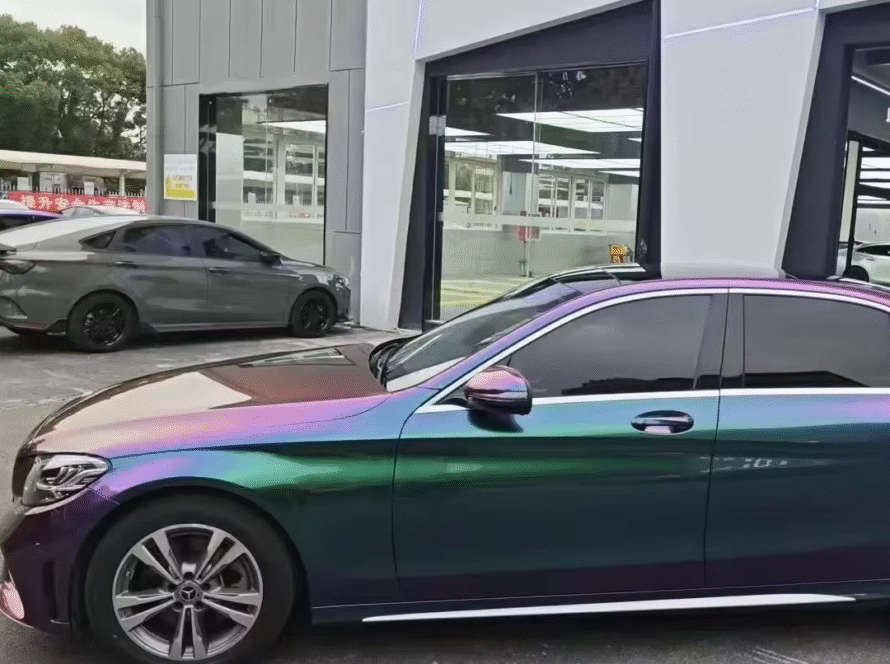
If you’re interested in different finishes and colors, you can look at options like our color PPF with anti‑scratch function or other automotive TPU paint protection films that combine strong chip resistance with style.
Types of PPF Coating for Cars
When you’re choosing PPF coating for your car, it really comes down to finish, performance, and coverage. Here’s the quick breakdown so you don’t overthink it:
Standard Clear Gloss PPF
This is the classic clear bra paint protection most people know.
- High clarity, keeps your original paint color and gloss
- Great for car rock chip protection and daily abuse
- Best choice if you just want the car to look “stock but newer for longer”
High-quality films like a high-gloss 7.5mil clear PPF give a strong balance of clarity and impact resistance, ideal for new car protection.
Self-Healing PPF Film
Self healing paint protection film has an advanced topcoat that closes up light swirls and fine scratches with heat (sun or warm water).
- Swirl marks from washing “disappear” over time
- Perfect for darker cars that show defects easily
- Ideal for owners who care about a clean, glossy look but drive daily
Matte and Satin PPF Finishes
If you have matte paint or want that stealth look without a respray:
- Matte PPF protects factory matte without changing the finish
- Turn a gloss car into a satin/matte look safely
- Much easier and safer to maintain than repainting in matte
Colored and Custom PPF
Colored and style-focused PPF gives you paint-like color with built‑in protection:
- Solid colors, smoked lights, fashion tints, accents
- Great for branding, styling, or making a common model stand out
- Safer than cheap colored vinyl if you care about long‑term durability
Partial Front-End vs Full-Body PPF
Your PPF coverage matters more than people think:
- Partial front-end (budget-friendly):
- Front bumper, partial hood, partial fenders, mirrors
- Best for city drivers and light commuting
- Full front-end:
- Full hood, full fenders, bumper, mirrors, headlights
- Ideal if you do a lot of highway miles
- Full-body PPF wrap:
- Maximum protection for luxury, sports, and high-value cars
- Best resale value, minimal paint touch-ups
If you’re comparing options, look at premium TPU PPF films with 7–8mil thickness and 8–10 year warranties, like a 10-year clear PPF film that balances clarity, durability, and long-term gloss.
PPF Coating vs Ceramic Coating
Key differences: PPF vs ceramic coating
Here’s the simple breakdown:
- PPF (paint protection film / clear bra)
- A physical TPU film layer, 7–10+ mil thick.
- Absorbs rock chips, minor impacts, and scratches.
- Can be self-healing when warmed.
- Slightly more visible up close (edges, seams).
- Higher upfront cost, stronger actual impact protection.
- Ceramic coating
- A liquid protection product that cures into a hard, thin layer.
- Adds gloss, slickness, chemical and UV resistance.
- Does not stop rock chips or deeper scratches.
- Easier washing, better hydrophobic effect.
- Lower cost than full-body PPF, but not a “shield”.
Both have their place. PPF is impact protection, ceramic is surface enhancement and ease of maintenance.
When to choose PPF coating over ceramic
Pick PPF coating when you care about actual chip and impact protection, for example:
- You drive a new car and want long-term, “like-new” paint.
- You do a lot of highway, city, or gravel-road driving.
- You own a luxury, sports, or performance car where repainting is expensive.
- You have soft clear coat or matte paint, which is harder to repair or polish.
For these use cases, I’d always prioritize a quality TPU PPF film on high-impact areas (front bumper, hood, mirrors, rocker panels) before spending on anything else.
When ceramic coating alone is enough
Ceramic coating (without PPF) is usually enough when:
- Your budget is limited and you mainly want shine and easier washing.
- You drive mostly in the city at low speeds and don’t see many rock chips.
- Your car is older and you just want to improve gloss and reduce maintenance.
- You don’t mind normal wear and small chips over time.
In these cases, a solid ceramic coating is a good value “middle ground” versus full PPF coating cost.
Using PPF and ceramic coating together
For maximum protection and easy cleaning, the best combo is:
- PPF on high-impact zones or full body, then
- Ceramic coating on top of the PPF and remaining painted areas.
This gives you:
- Chip and scratch resistance from the PPF.
- Deep gloss, UV protection, and slick, hydrophobic surface from the ceramic.
- Much easier washing and less dirt sticking to the film.
Most premium automotive TPU PPF films are compatible with ceramic coatings. If you’re going this route, talk with your installer and pick a film with a strong top coat, like a clear PPF car wrap transparent TPU option for the best clarity and long-term look.
PPF vs wax and sealants
Compared to traditional wax and synthetic sealants:
- PPF
- Long-term physical barrier (5–10+ years with quality film).
- Real rock chip and scratch defense.
- Higher initial investment, far better protection.
- Wax / sealants
- Cosmetic gloss, minor water beading.
- Lasts weeks (wax) to a few months (sealant).
- No real impact resistance and limited chemical resistance.
- Cheap, quick, but purely cosmetic and short term.
If you mainly want real-world paint protection, PPF coating for cars is in a completely different league from waxing a car or basic sealants. Wax and sealants can still be used on top of PPF if you like, but they’re optional once you have a solid film and/or ceramic system in place.
Pros and Cons of PPF Coating for Cars
Main benefits of PPF coating for car owners
PPF (paint protection film) is one of the few products that actually stops damage, not just hides it. A good TPU clear bra gives you:
- Real rock chip protection on bumpers, hood, fenders, mirrors
- Scratch and swirl resistance from washing, kids, luggage, pets
- UV and stain resistance (bird droppings, bug guts, light chemical stains)
- Better resale value, because your original paint stays cleaner and thicker
- Great look – modern gloss clear films are almost invisible, and you can also go for matte or colored PPF if you want a style upgrade, like a Ferrari red PPF wrap or stealth grey finish.
For new cars, performance cars, and daily drivers that see a lot of highway miles, PPF is simply the strongest form of car rock chip protection you can get.
Common drawbacks and limitations of PPF
PPF isn’t perfect, and it’s not for everyone:
- Higher upfront cost than waxing or ceramic coating
- Install quality is everything – bad installs mean visible seams, bubbles, lifting edges
- Not bulletproof – big rock hits, deep scratches, or accidents can still damage the film and the paint
- Can yellow or crack if you use cheap film or poor-quality glue
- Edges and corners can collect dirt if the kit is badly cut or not wrapped properly
If you go cheap on film or installer, you usually pay twice.
How long PPF really lasts on a daily driver
On a real-world daily driver, not a garage queen:
- Quality TPU PPF: about 5–10 years depending on climate, driving, and care
- High-wear zones (front bumper, hood edge, rocker panels): often 5–7 years before you’ll want to refresh
- Garage-kept + regular washes + gentle chemicals = longer life
- Constant sun, road salt, harsh washing chemicals = shorter life
You’ll usually see signs like staining, edge lift, or dullness when it’s time to replace.
Is PPF safe for all paint types, including matte paint?
Yes, if you use the right film and a pro installer:
- Gloss paint – standard clear gloss PPF is perfect
- Matte paint – use a matte paint protection film to keep the satin look; you never want to polish matte paint
- Repaired / repainted panels – safe if the body shop did proper curing; very fresh paint (under 30 days) is risky
- Soft or thin OEM paints – PPF is actually one of the best ways to protect fragile clear coats on modern cars
The key is using a high-clarity TPU film matched to the finish you want, whether that’s gloss, stealth, or a bold color like a venom green PPF wrap.
When PPF is overkill vs when it’s a smart investment
PPF is usually overkill if:
- You drive very little and the car lives in a garage
- You don’t care much about small chips or light wear
- You plan to sell the car within 1–2 years
- You’re on a tight budget and just need basic protection (wax/ceramic is fine)
PPF is a smart investment if:
- The car is new, expensive, or special to you (luxury, sports, EV, collector)
- You do lots of highway or rural driving (gravel, debris, trucks)
- You plan to keep the car 5+ years
- Your local roads and climate are rough (stone chips, sand, salt, harsh sun)
In short: if keeping the paint as close to “new” as possible actually matters to you, PPF coating for cars is usually worth the money.
Cost of PPF Coating for Cars
When people ask about PPF coating cost for cars, the real answer is: it depends on size, coverage, film, and installer. Here’s the simple breakdown.
Average PPF Cost by Vehicle Type and Size
In most markets, using quality TPU-based paint protection film for cars:
- Small cars / sedans (partial front):
Approx. $400–$900 - Small cars / sedans (full front):
Approx. $900–$1,800 - SUVs / crossovers (full front):
Approx. $1,200–$2,200 - Full body PPF wrap (sedan):
Approx. $2,500–$5,000+ - Full body PPF wrap (SUV / large vehicles):
Approx. $3,500–$7,000+
Luxury and sports cars often sit at the higher end because of complex panels and higher risk.
Partial vs Full PPF Wrap Pricing
- Partial front-end PPF (bumper, part of hood, mirrors):
Best for basic car rock chip protection at a lower cost. - Full front-end PPF (full hood, fenders, bumper, mirrors, headlights):
Costs more, but covers the entire “impact zone”. - Full body PPF:
Highest price, but you’re basically wrapping the car in a chip resistant car coating. Ideal for high-value, performance, or collector cars.
Think of it like this: each extra panel adds time, material, and complexity, so costs climb fast from partial to full.
How Brand, Film Quality, and Installer Affect Price
Three big cost drivers:
- Film brand & tech
Premium automotive TPU film with strong self-healing, clarity, and long warranties simply costs more. Colored or effect films like a TPU chameleon PPF wrap for cars also sit at the higher end because of the special finish and materials. - Installer skill
A professional paint protection film installer with a solid track record charges more, but you get cleaner edges, fewer seams, and fewer issues like lifting or bubbles. - Shop setup
Clean studio, plotter-cut patterns, lighting, and insurance all show up in the price.
Cheap film + cheap install usually ends up expensive when you have to remove and redo it later.
Typical Price Ranges by Region
Real-world numbers vary by:
- Country & city: Major cities and high-cost countries naturally charge more.
- Competition level: More PPF shops = more competitive pricing.
- Vehicle mix: Markets with lots of luxury and sports cars lean toward higher-ticket full-body wraps.
To get a ballpark based on global averages and package levels, I usually point customers to transparent breakdowns like this guide on car PPF cost by coverage type and vehicle size: PPF cost overview and pricing factors.
Cost vs Value: Is PPF Worth It?
PPF isn’t cheap, but it can pay for itself if:
- You drive a new, luxury, or sports car where a bumper respray can cost $600–$1,500+ each time.
- You do lots of highway or long-distance driving, where rock chips are constant.
- You care about resale value – a cleaner, original paint car sells faster and for more.
In many cases, a quality front bumper PPF kit plus hood/fenders costs less than two or three decent paint repairs and keeps the factory finish intact. If you’re planning to keep the car for 3–5+ years and care about how it looks (and what it’s worth at the end), smart, targeted PPF coverage is usually a solid investment.
Choosing the Right PPF Film Brand and Installer
Picking the right PPF coating for your car is 50% film quality and 50% installer skill. If either one is weak, you’ll see it on your paint every day.
What to Look for in Quality PPF Film
When you’re comparing paint protection film for cars, focus on:
- Clarity & gloss
- Film should be virtually invisible, no orange peel, no milkiness.
- For matte cars, a dedicated matte paint protection film that keeps the OEM texture is a must.
- Thickness & material
- 7–8 mil TPU (thermoplastic polyurethane) is the sweet spot for chip resistant car coating.
- Avoid cheap PVC films – they yellow, crack, and fail fast.
- Topcoat & performance
- Self-healing topcoat (repairs light swirls with heat/sun).
- UV resistant, stain resistant, and hydrophobic PPF coating so it’s easier to wash.
- Warranty
- Look for a clear written PPF warranty coverage (typically 5–10 years) that covers yellowing, cracking, and peeling.
If you want to see what premium automotive TPU film looks like in real life, check examples like this best PPF film breakdown and comparison.
Comparing PPF Brands and Premium TPU Films
When comparing the best PPF coating for cars:
- Check:
- Optical clarity (side-by-side hood samples)
- Self-healing speed
- How slick the surface feels
- Ask:
- Is it true TPU, or a cheaper blend?
- Is the film available in gloss clear car wrap, matte, and colored PPF film options?
- For branding, I always favor manufacturers that:
- Publish real test data (UV, stain, tensile)
- Offer stable supply and support for years, not months
If you’re considering colored options, look at dedicated products like Ferrari red TPU color PPF or other colored PPF film lines to see how rich and accurate the colors can be.
How to Vet a Professional PPF Installer
Your “PPF installation near me” search is just the start. Before you trust anyone with a new car:
- Check portfolio
- Look for clear before/after photos, especially on complex bumpers and edges.
- Ask about patterns & tools
- Do they use plotter-cut kits or hand-cut on the car?
- Do they trim on the paint (huge risk) or on a plotter?
- Shop conditions
- Clean, well-lit, indoor space with dust control.
- No random “side hustle” bay with dirty floors and open doors.
Red Flags of a Bad PPF Shop
Walk away if you see:
- “Cash only, no warranty paperwork”
- No real photos of their own work (just stock images)
- Super low pricing far under local market
- Dirty, cluttered install bay
- They say bubbles and lift lines are “normal” and will all disappear (they won’t)
Questions to Ask Before Booking PPF Installation
Keep it simple and direct:
- What brand and exact film line are you using? (gloss, matte, self healing paint protection film?)
- How many years of experience do you have specifically with PPF, not wraps?
- What areas are wrapped/covered and where are the seams?
- What’s included in the price? (prep, decontamination, polishing, edges wrapped)
- What’s the written warranty from both the film manufacturer and you as the installer?
- Do you offer ceramic coating on top of PPF as an option?
If a shop can answer these clearly, show you cars in progress, and back everything with written terms, you’re in the right place.
PPF Installation Process Explained
Prep work before installing PPF on a car
For a clean, long-lasting paint protection film install, prep is everything. A pro shop will usually:
- Wash and decontaminate: Foam wash, iron remover, and clay bar to strip tar, fallout, and old wax.
- Paint inspection and correction: Light polishing to remove swirls and minor defects (PPF locks in whatever is underneath).
- Panel wipe: Solvent or IPA wipe to remove oils so the PPF adhesive bonds properly.
- Dust control: Indoor, well‑lit bay with filtered air to keep dust and hair off the film.
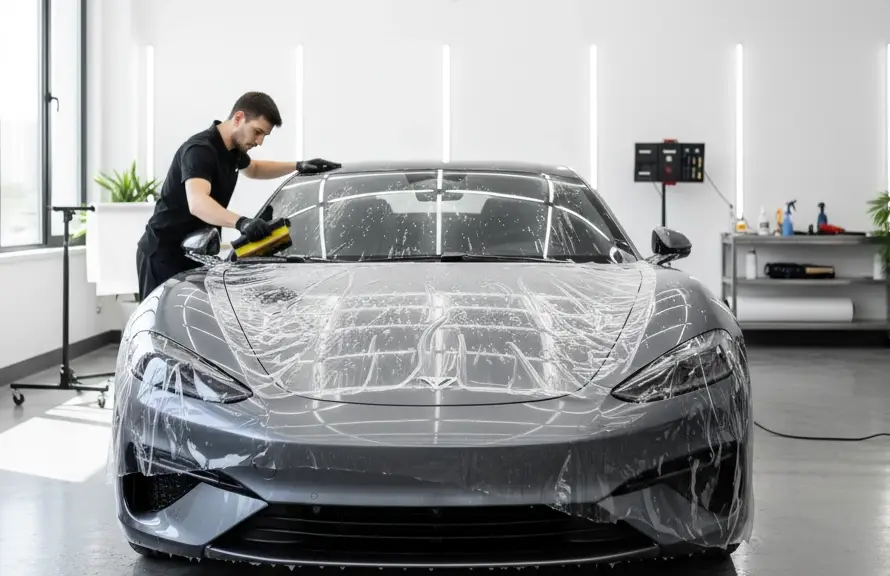
Step-by-step pro PPF application
A typical professional PPF car protection install looks like this:
- Pattern selection – Pre-cut kit from plotter software or custom bulk cut.
- Slip solution spray – Installer wets the panel and adhesive side of the film.
- Alignment – Film is floated into the exact position on the panel.
- Squeegee work – Water and air are pushed out from center to edges.
- Edge wrapping – Where possible, edges are tucked for a cleaner “invisible” look.
- Detailing – Edges checked, fingers pressed down, and small bubbles worked out.
- Cure time – Car sits indoors so the film can set and adhesive can cure fully.
If you want a feel for how a professional shop approaches this, look at how a dedicated hydrophobic PPF wrap in 7.5 mil TPU is meant to be installed and finished.
How long does PPF installation take?
Timing depends on coverage and vehicle size:
- Partial front (bumper, hood, fenders, mirrors): 4–8 hours
- Full front: 1 full day
- Full body PPF wrap: 2–4 days, sometimes longer for complex cars
Most shops ask you to leave the car overnight so the film can cure before you drive.
Common PPF installation issues
Bad installs are easy to spot. Typical problems include:
- Bubbles and trapped moisture – Too little squeegee pressure, dirty surface, or rushed install.
- Edges lifting or peeling – Poor prep, sharp panel edges, or cheap patterns.
- Stretch marks/distortion – Film overstretched around curves or body lines.
- Visible relief cuts and seams – Low‑skill pattern trimming or using the wrong templates.
A good professional paint protection film installer will walk the car with you after curing and fix any small defects before delivery.
Why DIY PPF installs often go wrong
DIY kits look tempting, but most people underestimate what’s involved:
- No dust‑controlled space – Contaminants get trapped instantly under the film.
- Poor panel prep – Any leftover wax, grease, or dirt ruins adhesion.
- Wrong slip/tack mix – Too much or too little soap/alcohol in the solution causes silvering, lift, or adhesive marks.
- Inexperienced stretching – Leads to fingers, lift lines, and premature failure.
Unless you’ve got real experience and a proper workspace, you’ll almost always get a more durable, cleaner result using a pro shop that installs premium automotive TPU film daily.
PPF Maintenance and Care Tips
Keeping your PPF coating for car paint in good shape is simple if you follow a few basic rules. Done right, quality paint protection film can easily last years with daily driving.
How to Wash a Car with PPF Safely
Treat your PPF like high-end clear coat, but a bit more gently:
- Use touchless or two-bucket hand wash (pH-neutral shampoo, soft mitt, clean towels)
- Avoid automatic brush washes – they cause swirl marks and edge lifting
- Low to medium pressure if you use a pressure washer
- Stay at least 30–40 cm away
- Don’t aim directly at film edges or corners
For reference, most premium automotive TPU film like our 7.5mil clear PPF with 10-year durability is safe with normal washing if you avoid harsh chemicals and aggressive tools.
Safe and Unsafe Products for PPF Film
Safe for PPF:
- pH-neutral car shampoo
- Dedicated PPF or coating-safe snow foam
- Microfiber wash mitts and drying towels
- Quick detailers and spray sealants that are “PPF-safe” / “coating-safe”
- Mild APC (all-purpose cleaner) diluted properly for bugs and tar
Avoid on PPF:
- Strong solvents, gasoline, or heavy degreasers
- Abrasive polishes or cutting compounds (unless done by a pro)
- Harsh wheel acids and strong alkaline cleaners
- Magic erasers and scouring pads
- Cheap silicone dressings that can stain edges
Dealing with Stains, Bird Droppings, and Bug Splatter
Bird droppings, bugs, and tree sap can etch even self healing paint protection film if left too long. Act fast:
- Rinse ASAP with clean water
- Lay a wet microfiber or soaked paper towel over the spot to soften it
- Use a PPF-safe bug & tar remover or a mild APC
- Gently wipe – don’t scrub dry or use sharp tools
- For light etching, park in the sun or use warm water to help the self-healing topcoat recover
If a stain has fully baked in or the film is discolored, it’s usually cheaper to replace that panel of PPF than to repaint the car.
Simple Habits to Extend PPF Lifespan
A few easy habits will stretch the life of your PPF car protection:
- Wash regularly (every 1–2 weeks in normal use, more in winter or salty areas)
- Dry the car – don’t let dirty water bake on the film
- Avoid parking long-term under sap-heavy trees
- Don’t peel or pick at film edges
- Reapply a hydrophobic topper or spray sealant every few months to keep it slick and easy to clean
Can You Polish, Wax, or Ceramic Coat Over PPF?
Yes, but with limits:
- Polishing PPF:
- Only very light, non-aggressive polish to clean or refresh gloss
- Avoid heavy machine correction – you can thin or damage the topcoat
- Wax on PPF:
- Safe to use traditional or synthetic waxes
- Choose non-staining products to avoid white residue on edges
- Ceramic coating on top of PPF:
- A great combo for easier washing, more gloss, and better hydrophobic behavior
- Always use PPF-compatible ceramic coatings and follow the installer’s cure times (usually wait 48–72 hours after PPF install)
If you’re unsure what your film can handle, check the PPF warranty documentation or ask your professional paint protection film installer before using new products.
How Self-Healing PPF Coating for Cars Works

Self-healing PPF coating for cars is a clear paint protection film with an elastic, memory-type top layer. When it’s lightly damaged, that topcoat “relaxes” back to its original smooth state, so the defect visually disappears.
What “Self-Healing” Really Means
On real cars, self healing paint protection film helps with:
- Light swirl marks from washing and drying
- Fine scratches from dust, brushes, or clothing
- Minor scuffs from road grime and tunnel washes
The film doesn’t magically repair deep gouges, but it keeps your clear bra paint protection looking fresh by erasing everyday wear.
Heat and Sun Activation
Most modern automotive TPU film uses heat to trigger self-healing:
- Sunlight on a warm day is often enough
- A heat gun or hot water can speed things up
- At normal driving temps, minor marks slowly level out
That’s why self-healing PPF is popular in hot, sunny markets where UV resistant paint film and high temps work together to keep the surface looking clean.
What It Can’t Fix
Know the limits:
- Deep rock chips that break through the film – no fix, film must be replaced
- Sharp key scratches down to paint – beyond self-healing
- Impact dents from big stones or parking hits – PPF protects paint, not metal
Self-healing tech is for cosmetic, shallow damage, not structural hits.
Best Use Cases for Self-Healing PPF
If you:
- Daily drive in busy cities or tight parking
- Use automatic or brush car washes
- Own a sports car or luxury car you want looking “showroom” long-term
- Drive high miles on highways and want chip resistant car coating + swirl resistance
…then self-healing PPF is usually the best PPF coating for cars you can pick. For more styling plus protection, some owners also pair it with vinyl wrap finishes like carbon fiber or camo car wraps on select panels.
PPF Coverage Options for Different Drivers
Choosing the right PPF coating for car owners is all about how and where you drive. You don’t need full body PPF wrap in every case—but some zones should never be left unprotected.
Best PPF Coverage for City Drivers & Commuters
For mostly city use, focus on high-contact, high-scuff areas:
| City / Commute Must-Haves | Panels to Protect | Why It Matters |
|---|---|---|
| Front impact | Front bumper, headlights | Parking bumps, scooters, tight traffic |
| Chip & scratch zones | Partial hood, fenders, mirror caps | Light chips, door-to-door contact |
| Parking damage | Door edges, door cups | Door dings, ring scratches, handbags |
Recommended setup:
Partial front-end PPF + door edges + door cups. This gives strong protection without full-wrap cost.
Highway & Long-Distance Driving Zones
Frequent highway or long-distance driving? Rock chips are your main enemy.
| Driving Style | Ideal PPF Coverage |
|---|---|
| Regular highway | Full front bumper, full hood, fenders, mirrors |
| Very high mileage | Add A-pillars, front roof edge, rocker panels, rear bumper top |
Look for chip resistant car coating areas first. If you’re often behind trucks, don’t skip the hood and windshield surround.
Protection for Luxury, Sports & Performance Cars
For high-value cars, paint repair kills resale value. I always push more aggressive coverage:
- Minimum: Full front end (bumper, hood, fenders, mirrors, headlights)
- Better: Add side skirts, rear bumper edges, trunk loading area
- Best (common for supercars): Full body PPF wrap with self healing paint protection film
Colored or effect films like a chameleon car PPF film or high-clarity TPU car wrap film can protect and change the look at the same time—very popular on sports and performance builds.
Budget-Friendly PPF Coverage for New Car Owners
If you’re watching ppf coating cost but still want smart new car protection:
- Start with a front bumper PPF kit (it takes most of the impact)
- Add door edge guards + door cups (cheap, high value)
- Upgrade later with hood/fenders when budget allows
This staged approach gives real-world protection now without overspending.
PPF for Trucks, SUVs & Off-Road Vehicles
Trucks and SUVs see more gravel, mud, and cargo damage. I treat them differently:
| Vehicle Use | Key PPF Zones |
|---|---|
| Family SUV | Front bumper, hood front, mirrors, door edges, rear bumper top |
| Work truck | Front end, rocker panels, lower doors, bed rails, tailgate top |
| Off-road use | Full front clip, A-pillars, roof edge, flares, rocker panels, lower quarters |
For off-road builds, a tougher automotive TPU film with slightly more thickness is worth it for serious car rock chip protection and brush contact.
In short: match the PPF coverage to your real driving, not the hype. Protect the panels that actually get hit, and scale up only where the car’s value or use justifies it.
PPF Lifespan, Warranty, and Replacement
How long does PPF coating for cars really last?
For quality paint protection film (PPF) on a daily driver, you’re usually looking at:
- 5–7 years for standard films on commuter cars
- 7–10 years for high-end TPU films with strong UV resistance
- Harsh sun, salty roads, and bad washing habits can cut that down by 2–3 years
In simple terms: if the film and install are good, you should get years of solid rock chip and scratch protection before it starts to age.
What actually voids a PPF warranty?
Most PPF warranty coverage looks great on paper, but in real life it’s easy to void if you’re not careful. Common reasons:
- Improper washing – using harsh chemicals, strong solvents, or abrasive brushes
- Body work after install – repaints, sanding, or panel repair over or under the film
- DIY trimming or cutting the film after installation
- Ignoring damage – letting lifting edges or big bubbles sit for months
- Unapproved coatings – using aggressive polishes or cheap ceramic products that react with the top coat
Always read the installer and film brand’s written warranty terms before you sign.
Signs it’s time to replace your PPF coating
You don’t need to guess. If you see any of this, the film is done:
- Yellowing or browning, especially on white cars
- Cracking, brittleness, or heavy peeling at the edges
- Cloudy, hazy, or orange-peel texture that won’t clear even after a proper wash
- Deep rock chips or tears that go through the film
- Big lifted areas that keep catching dirt and won’t stay down
If the film looks worse than your paint would without it, it’s time to pull it off.
Can old PPF be removed safely?
Yes – if it’s quality PPF and removed the right way:
- Use controlled heat (heat gun or steamer) to soften the adhesive
- Peel slowly at a low angle, not ripped straight up
- Clean leftover adhesive with PPF-safe adhesive remover
On factory paint, a proper removal will not damage the clear coat in normal cases. On cheap resprays or repainted panels, there’s always more risk of paint lifting.
How often should you replace PPF on a daily driver?
For normal city and highway use:
- Plan for a refresh every 5–7 years on daily drivers
- In brutal sun or heavy salt regions, 4–6 years is more realistic
- Many owners just replace high-impact zones (front bumper, hood edge, mirrors) first to save cost
If you like experimenting with looks, you can also use colored TPU or custom finishes (for example, a colored TPU silver–purple film) when it’s time for replacement, and upgrade both style and protection in one go.
Handled right, PPF is not permanent – it’s a sacrificial layer you replace every few years so your factory paint doesn’t have to take the abuse.
PPF Coating in Harsh Climates

PPF in hot, sunny, UV-heavy regions
If you live somewhere with strong sun and high temps, UV-resistant paint protection film is almost a must. A good TPU-based PPF with a stable topcoat will:
- Block UV that fades and oxidizes paint
- Reduce clear coat yellowing over time
- Handle expansion/shrinkage from extreme heat without cracking
Look for films marketed as UV resistant paint film with non-yellowing warranties of 7–10+ years.
PPF in cold, snowy, salted-road areas
In winter climates, the main enemies are road salt, sand, and ice:
- PPF takes the hit from gravel and frozen slush instead of your paint
- It acts as a barrier against salt and de-icer chemicals
- Good edge wrapping is critical so salt doesn’t creep under the film
If you’re doing lots of highway miles in winter, at least protect the front bumper, hood edge, mirrors, and rocker panels with PPF car protection.
PPF in humid, polluted, and coastal environments
Humidity, acid rain, and sea air shorten the life of unprotected paint. Quality paint protection film for cars helps by:
- Reducing staining from acid rain, smog, and fallout
- Acting as a sacrificial layer against salt air near the coast
- Making contaminants easier to wash off, so they don’t etch
In heavy-smog cities, pairing PPF with good car window tint film on glass can help keep interiors cooler and reduce UV exposure overall; I usually point customers to options like a basic car window tint film to complement body protection.
Extra care tips for extreme climates
To keep PPF looking clean in harsh conditions:
- Wash more often (weekly if possible) to remove salt, dust, and fallout
- Use pH-neutral shampoo and soft wash media only
- Avoid harsh solvents, strong degreasers, or abrasive polishes on the film
- Top with a PPF-safe sealant or ceramic coating for added hydrophobic behavior
Climate-based PPF choices and film types
Match the film to your environment and usage:
- Hot & sunny: opt for premium, UV-stable, non-yellowing PPF with a strong warranty
- Cold & salty: prioritize thicker, impact-resistant film for front-end and lower panels
- Coastal & humid: choose films with chemical resistance and easy-clean topcoats
If your driving is mixed (city + highway + seasonal changes), a high-quality, self-healing gloss PPF on the main impact zones is usually the best balance of cost and durability.
Is PPF Coating Worth It for Your Car?
Who gets the most value from PPF coating
PPF coating for car owners makes the most sense if you:
- Drive a new or high-value car (luxury, sports, or premium SUV)
- Do a lot of highway miles where rock chips and road debris are constant
- Live in areas with harsh sun, sand, or gravel roads
- Care a lot about resale value and want the paint to look “like new”
- Have matte paint or rare colors that are expensive to repair
If paint repairs are costly or your car is a key part of your image or business, paint protection film for cars is usually a smart move.
When PPF absolutely pays off
PPF coating pays for itself in these situations:
- Daily highway commuting with constant chip risk on the hood, bumper, and mirrors
- New car protection right after delivery to lock in that factory finish
- Luxury and sports cars where a single repaint panel can cost more than a partial PPF kit
- Leased vehicles where you want to avoid end-of-lease damage charges
- Regions with heavy UV and bugs, where clear bra paint protection saves your clear coat
On these cars, PPF car protection often costs less over time than repeated paint repair and resprays.
When cheaper options make more sense
You don’t always need PPF. Cheaper options like waxing a car, sealants, or ceramic coating alone can be enough if:
- Your car is older and already has visible wear
- You rarely drive highways and mostly stay in the city
- You’re planning to sell the car soon
- You’re okay with small chips and marks and just want shine and easier washing
In these cases, a good ceramic coating or regular wax can cover your needs at a lower cost of PPF coating for car owners.
Quick checklist: Is PPF right for you?
Use this simple checklist:
- Is your car new (0–3 years) or high value?
- Do you drive highway or rural roads every week?
- Are you willing to invest hundreds to a few thousand dollars to avoid repainting?
- Do rock chips, scratches, and etching from bugs/bird droppings really bother you?
- Do you care a lot about resale or trade-in value?
If you answer “yes” to at least 3 of these, PPF coating is likely worth it for your car.
How to plan your PPF budget without overdoing it
You don’t need a full body PPF wrap to get good value. Start with high-impact zones:
- Front bumper PPF kit
- Hood (full or partial)
- Side mirrors and headlights
- Rocker panels / lower doors if you get a lot of road rash
Smart budget tips:
- Prioritize coverage where rock chips actually hit
- Choose a reputable professional paint protection film installer, not just the lowest price
- Combine PPF on the front with a ceramic coating on the rest of the car for a balanced setup
- Compare quotes by film brand, thickness, and warranty, not price alone
If you also like darker styling or color changes, pairing PPF with a premium wrap such as a piano black car wrap can protect and restyle your car at the same time, reducing the need for future paint work.


 English
  Portuguese
  Spanish
  German
  French
  Hindi
Hindi